Top-Rated Tires That Maximize Your WRX’s Performance
You need high-performance tires engineered for your WRX’s AWD dynamics. Top choices like the Fullway HP108 and Lexani Quattro Tempo AW offer load index 97, speed rating W (168 mph), and XL construction for reinforced strength and precise handling. These 245/40R18 all-season tires feature asymmetrical tread patterns that enhance wet/dry traction, while models like the Nitto NT555 G2 step up with 97Y ratings and 50,000-mile treadwear warranties. Their advanced grooves resist hydroplaning, and reinforced shoulders improve cornering. More details on ideal tread designs and seasonal suitability follow.
We are supported by our audience. When you purchase through links on our site, we may earn an affiliate commission, at no extra cost for you. Learn more. Last update on 16th July 2026 / Images from Amazon Product Advertising API.
Notable Insights
- Select high-performance all-season or summer tires with speed rating Y or W to match the WRX’s high-speed capability.
- Choose tires with load index 97 or higher to support the WRX’s AWD platform and performance demands.
- Prioritize asymmetrical or directional tread designs for superior wet/dry traction and hydroplaning resistance.
- Opt for XL (Extra Load) rated tires to ensure structural integrity under aggressive driving and cornering loads.
- Consider 3PMSF-certified all-season tires like the Lexani Quattro Tempo AW for year-round safety, including severe snow.
Fullway HP108 All-Season Performance Tire 245/40R18

If you’re seeking a high-performance all-season tire that balances grip, durability, and value for your WRX, the Fullway HP108 245/40R18 is built for drivers who demand serious performance without overspending. I rely on its asymmetrical tread design for consistent traction in wet and dry conditions. It’s a radial tire with a 4-ply rating, built to handle stress. The 245mm section width and 25.7-inch diameter fit 8.5-inch rims perfectly. With a load index of 97, it supports 1,609 pounds. Speed rating W means it safely reaches 168 mph. UTQG 380AA guarantees solid treadwear, strong traction, and heat resistance.
Best For: Drivers seeking a high-performance all-season tire with strong grip, durability, and value for sports sedans like the WRX without breaking the bank.
Pros:
- Excellent performance in both wet and dry conditions thanks to asymmetrical tread design
- High speed rating (W) supports speeds up to 168 mph, ideal for performance vehicles
- Strong UTQG 380AA rating indicates good treadwear, traction, and heat resistance
Cons:
- Treadlife expectancy is not available, making long-term durability uncertain
- 4-ply radial construction may result in a firmer ride compared to standard tires
- Limited brand recognition compared to established premium tire manufacturers
Forceum Hena All-Season Car Tires (4-Pack)
I need tires that match my WRX’s high-performance demands without compromising all-season reliability, and the Forceum Hena delivers with precision. These 235/45R17 radial tires fit my 8-inch wheels perfectly and carry a load index of 97 (1,609 lbs per tire) with an XL rating. The directional tread features circumferential and 45-degree lateral grooves that channel water efficiently, reducing hydroplaning. A solid center rib sharpens steering response, while shoulder blocks boost cornering grip. With a UTQG rating of 400AA, they offer solid treadwear and strong wet traction. They weigh 112 pounds total and are built for long, stable performance in all conditions.
Best For: Drivers seeking high-performance all-season tires that deliver precise handling, strong wet traction, and reliable durability for sports sedans like the WRX.
Pros:
- Excellent wet and dry traction thanks to directional tread with circumferential and 45-degree lateral grooves
- Enhanced steering response and stability from a solid center rib and robust shoulder blocks
- Long-lasting tread life with UTQG 400AA rating and XL construction for added load capacity
Cons:
- Slightly heavier than some competitors at 112 pounds for the set, potentially affecting fuel efficiency
- Noise performance not independently verified despite 45-degree groove design for sound reduction
- Limited brand reputation compared to established tire manufacturers, which may affect resale or service availability
Set of 4 Fullway HP108 All-Season Tires

The Fullway HP108 stands out for WRX owners who demand a balanced blend of high-performance handling and reliable all-season traction, especially in regions with light winter conditions. I rely on its symmetrical tread design to maintain consistent road contact and stability. The 245/40R18 size fits my WRX perfectly, with a load index of 97 and speed rating W, supporting up to 1,609 pounds per tire and speeds up to 168 mph. Its XL construction guarantees durability under stress. The 4-ply rated radial build enhances heat resistance and handling precision. UTQG 380AA indicates solid treadwear and grip. BSW sidewalls protect my rims, while optimized grooves resist hydroplaning and reduce noise.
Best For: Performance-minded drivers seeking reliable all-season traction, precise handling, and added durability in high-speed or light winter conditions.
Pros:
- High speed rating (W) and XL construction support enhanced performance and load capacity
- Symmetrical tread design ensures stable handling, reduced road noise, and improved wet traction
- UTQG 380AA rating indicates strong treadwear and grip for extended tire life
Cons:
- Limited customer reviews (only 5) may raise concerns about real-world reliability
- Not designed for severe winter conditions despite all-season classification
- Potential for non-simultaneous delivery due to shipping logistics for large, heavy items
Lexani Quattro Tempo AW All Season P245/40R18 97W Passenger Tire
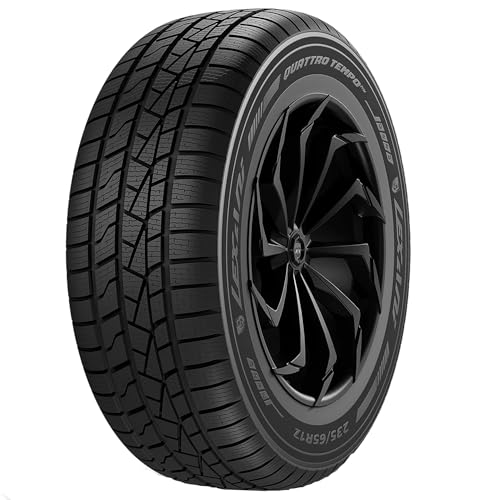
You want tires that handle all seasons without backing down when the road turns slick or the temperature drops-Lexani Quattro Tempo AW All Season P245/40R18 97W tires deliver that confidence. They’re Three Peak Mountain Snowflake certified, so I trust them in harsh winter conditions. The asymmetrical tread pattern improves wet and dry grip by optimizing contact pressure. It also channels water efficiently, reducing hydroplaning risk. At highway speeds, the optimized design keeps road noise low and vibrations minimal, ensuring a smooth ride. These P245/40R18 tires fit my WRX perfectly. Michelin-level engineering at half the price, backed by a 50,000-mile tread life warranty, makes them a smart, long-term performance choice.
Best For: Drivers seeking a high-performance all-season tire with severe winter weather capability and a quiet, comfortable ride for sports sedans or performance vehicles.
Pros:
- Three Peak Mountain Snowflake certified for reliable traction in severe winter conditions
- Asymmetrical tread design enhances handling, wet/dry grip, and reduces hydroplaning
- Optimized construction delivers a quiet, smooth ride with low road noise and vibrations
Cons:
- 50,000-mile warranty may be shorter compared to some competing grand-touring all-season tires
- Limited availability in larger or less common sizes
- Stiffer sidewall may result in a slightly harsher ride on rough roads
Firestone Firehawk Indy 500 Tire 235/45R17
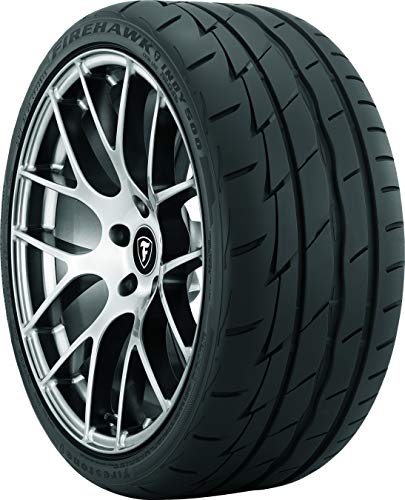
When precision handling and wet-weather grip are non-negotiable, the Firestone Firehawk Indy 500 Tire 235/45R17 stands out for WRX owners who demand peak summer performance. It’s an Ultra-High Summer Performance tire built for dynamic control. Bold tread design and wide shoulder blocks boost cornering stiffness. I’ve found its reinforced shoulders deliver sharper steering response during aggressive maneuvers. A 20% shorter wet braking distance-versus the prior Firehawk Wide Oval Indy 500-comes from an advanced rubber compound and optimized tread. Pulse Groove Technology improves water evacuation, cutting hydroplaning risk. The summer-specific compound and precise tread geometry guarantee stability and grip in hot, high-performance conditions.
Best For: WRX owners seeking high-performance summer tires with exceptional wet-weather grip and precise handling.
Pros:
- 20% shorter stopping distance on wet roads compared to previous generation for enhanced safety
- Pulse Groove Technology improves water evacuation and reduces hydroplaning risk
- Reinforced shoulder blocks increase cornering stiffness and steering responsiveness
Cons:
- Summer-only compound limits usability in cold or winter conditions
- High-performance focus may lead to quicker tread wear over time
- Not designed for off-road or severe weather driving conditions
Accelera Iota 245/35R19 All-Season Tire
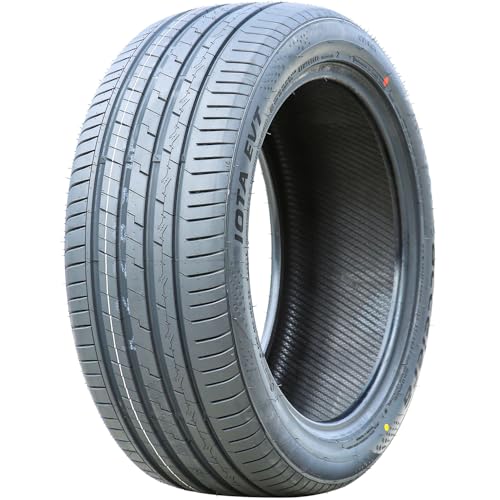
A precision-built high-performance all-season tire, the Accelera Iota 245/35R19 delivers confident handling and durability ideal for drivers seeking upgrades that match the WRX’s aggressive dynamics. It’s a radial, 4-ply rated XL tire with a 245mm section width and 25.8-inch diameter, designed for 8.5-inch rims. The 93Y rating supports 1,433 pounds per tire at up to 186 mph. Tread depth measures 7.14mm, with a UTQG 320-A-A rating for strong wear and grip. Low rolling resistance improves efficiency, while the optimized pattern enhances wet and dry traction. It’s built for EVs and performance vehicles, backed by a 35,000-mile tread life.
Best For: Drivers of high-performance vehicles like the WRX and electric vehicles seeking a durable, all-season tire with strong traction, high load capacity, and improved efficiency.
Pros:
- High 93Y load and speed rating supports heavy EVs and performance driving up to 186 mph
- Low rolling resistance enhances battery range and fuel efficiency
- Optimized tread pattern delivers reliable wet and dry traction with a 35,000-mile tread life
Cons:
- Tread depth of 7.14mm may wear faster under aggressive driving conditions
- UTQG 320 wear rating suggests moderate tread life compared to some competitors
- Limited sizing versatility for non-matching wheel setups despite universal fit claim
Finalist UN108 All Season Tires (4-Pack)

Though not specifically marketed for Subaru WRX models, the Finalist UN108 All Season Tires (4-Pack) deliver high-performance traits that make them a strong choice for drivers seeking reliable year-round traction and precise handling. These radial tires feature a 205/55R16 size, 9.6/32nds tread depth, and a load index of 91 (1,356 lbs per tire). Their asymmetrical tread design includes four wide circumferential grooves to reduce hydroplaning and enhance wet grip. Reinforced center ribs improve steering response. A specially formulated compound guarantees a smooth, durable ride. They’re M+S rated for light snow and carry a W speed rating (168 mph). The UTQG 340AA rating reflects solid treadwear and grip. You get a 40,000-mile tread warranty and 3-year road hazard coverage.
Best For: Drivers of performance-oriented sedans or coupes seeking a reliable, all-season tire with strong wet and dry traction, precise handling, and year-round versatility, including light snow.
Pros:
- High-performance traits with precise steering response and enhanced stability thanks to reinforced center ribs and asymmetrical tread design
- Excellent all-season capability with M+S rating, 9.6/32nds tread depth, and four wide circumferential grooves for wet traction and hydroplaning resistance
- Comprehensive warranty coverage including 40,000-mile tread wear protection and 3-year road hazard coverage
Cons:
- Not specifically optimized for heavy snow or extreme winter conditions despite M+S rating
- May experience faster tread wear compared to higher UTQG-rated tires due to performance-oriented compound
- Limited vehicle-specific tuning data available for certain performance models like the Subaru WRX
Kenda Vezda UHP Summer (KR20A) Racing P245/40ZR18 97W XL Passenger Tire
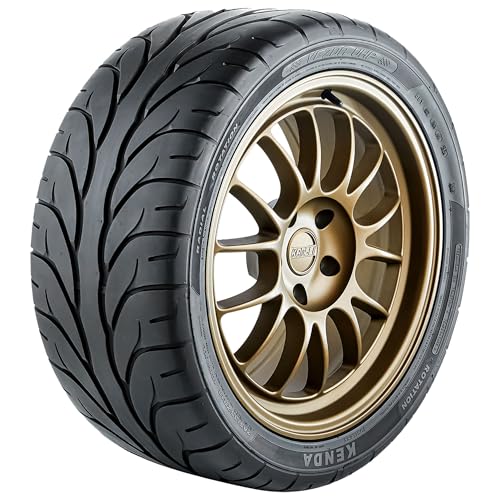
If you demand sharp handling and reliable grip on both street and track, the Kenda Vezda UHP Summer (KR20A) is built for drivers who refuse to compromise. I rely on its directional radial construction for consistent performance in warm conditions. It’s designed for ultra-high-performance vehicles like my WRX, with a P245/40ZR18 size fitting 18-inch rims. The tread depth measures 8.3/32nds, and the UTQG rating is 300-A-A. It handles loads up to 1,609 pounds (97 index) and is rated for speeds up to 168 mph (W). I avoid using it below 45°F. DOT-approved, it weighs 30 pounds.
Best For: Enthusiasts of ultra-high-performance vehicles seeking aggressive handling and reliable grip in warm weather on both street and track.
Pros:
- Directional radial construction enhances handling, stability, and consistent performance
- High speed rating (W) supports speeds up to 168 mph, ideal for performance driving
- DOT-approved for on-road use with strong load capacity (97 index) and deep tread (8.3/32nds) for lasting wear
Cons:
- Not suitable for cold weather or temperatures below 45°F, limiting year-round use
- Heavy at 30 pounds, which may affect unsprung weight and ride comfort
- Limited to specific fitments like 18-inch rims, reducing universal compatibility
Factors to Consider When Choosing Tires for WRX
You need the right tire size for your WRX, and that means checking the fitment-most models use P245/40ZR18 or similar, but always confirm with your owner’s manual. Make sure the load index is at least 94 and the speed rating matches or exceeds W, so your tires can handle the car’s 145 mph capability. From all-season practicality to summer-only grip, your choice affects wet traction, tread wear, and how well the rubber channels water-so pay attention to siping, groove angles, and contact patch design.
Tire Size Compatibility
When upgrading your WRX’s tires, matching the manufacturer’s specified size is vital for maintaining ideal performance and safety. You must match section width, aspect ratio, and rim diameter exactly. Even small deviations affect handling and calibration. Your WRX’s suspension and fenders are designed for specific tire dimensions-using incorrect widths or diameters causes rubbing during steering or bumps. Check the sidewall: a size like 245/40R18 means 245mm width, 40% aspect ratio, and 18-inch rim. Sticking to factory specs guarantees proper clearance and speedometer accuracy. Tire construction matters too-always use radial tires, and verify load range (XL or SL) aligns with Subaru’s design. An XL (extra load) tire handles higher pressure and stress, key for your WRX’s all-wheel-drive dynamics.
Load And Speed Ratings
Proper tire selection for your WRX extends beyond size and construction to include load and speed ratings, which directly influence safety and performance. Your WRX needs tires that match its power and handling-under-rated ones can’t keep up. The load index, like 97, means each tire supports up to 1,609 lbs. If you carry heavy loads or track your car, this matters. Tires with an XL (Extra Load) rating handle more weight but need higher air pressure. Speed ratings are just as critical-W-rated tires, for example, sustain speeds up to 168 mph. That’s essential for a high-performance car like yours. Using tires below your WRX’s spec risks overheating, faster wear, and possible failure. Always match the load and speed ratings to your vehicle’s requirements. It keeps your drives safe, smooth, and fully optimized.
All Season Versus Summer
How do you balance performance and practicality when choosing between all-season and summer tires for your WRX? All-season tires handle varied conditions, including wet roads, light snow, and dry pavement. They often carry the M+S rating or Three Peak Mountain Snowflake symbol for winter capability. Their deeper treads and siping improve slush traction. Summer tires excel above 45°F, where their softer compounds stay pliable, delivering superior grip and shorter stopping distances. Below that temperature, they harden, reducing control. Summer models prioritize high-speed stability with stiffer, directional tread designs, frequently earning speed ratings like W (168 mph) or Y. They lack siping, favoring larger tread blocks for maximum dry-road contact. UTQG ratings reflect this: summer tires often trade treadwear for traction and temperature grades. Your climate and driving priorities decide the best fit.
Tread Design And Pattern
What kind of grip do you expect when carving through wet bends or launching on dry pavement? Asymmetrical tread patterns deliver by pairing stable outer blocks for cornering with precision inner grooves that enhance wet traction. You get sharper steering response and stronger dry grip. Directional designs use V-shaped grooves to funnel water outward, boosting hydroplaning resistance at speed. These patterns excel in heavy rain but must be mounted correctly to maintain flow direction. Symmetrical treads offer even wear and a quieter ride, ideal for daily driving, though they sacrifice some sporty feedback. Wide circumferential grooves increase water evacuation volume, critical for maintaining contact in downpours. Tread block rigidity, especially in shoulder blocks, directly impacts how firmly your WRX holds its line during aggressive turns. Choose based on your driving balance-performance intensity versus longevity and noise comfort.
Performance In Wet Conditions
When the road turns slick after a downpour, your tire’s ability to displace water quickly becomes critical. Tires with circumferential and lateral grooves channel water away from the tread, reducing hydroplaning risk. Asymmetrical and directional tread patterns optimize water dispersion, improving grip during cornering on wet pavement. Look for a tread depth of 10/32nds or more-greater depth maintains road contact longer as the tire wears. Lateral grooves angled at 45 degrees enhance water flow while reducing road noise, aiding stability in rain. The UTQG traction rating “A” means superior braking and acceleration on wet asphalt under standardized tests. These features work together to keep your WRX responsive and predictable when the roads are wet. Choose tires designed for wet performance-you’re not just gaining grip, you’re ensuring control when it matters most.
Winter Weather Capability
If you drive your WRX in cold climates, choosing tires with proven winter capability is essential for maintaining control and safety. Look for the Three Peak Mountain Snowflake (3PMSF) rating-it certifies tires for severe snow service and guarantees superior winter traction. Don’t rely on M+S alone; it indicates better grip in light snow and wet conditions but doesn’t guarantee performance in heavy snow or ice. When temperatures drop below 45°F, summer and some all-season compounds harden, reducing grip and increasing stopping distances. Opt for dedicated winter tires with flexible, cold-weather rubber compounds. Tread depth matters-aim for over 8/32 inches to effectively displace snow. Asymmetrical and directional tread patterns balance snow traction with water evacuation, improving handling. These features work together to maintain grip, shorten braking distances, and boost confidence when the weather turns harsh.
Ride Comfort And Noise
While performance often takes priority in a WRX, ride comfort and noise levels considerably influence daily driving satisfaction. Tires with symmetrical or optimized tread patterns reduce road noise by distributing impact forces evenly. This design minimizes vibrations, delivering a smoother, quieter ride. Directional treads, though performance-focused, tend to generate more noise than symmetrical or asymmetrical alternatives. Look for models with four wide circumferential grooves-they enhance wet stability by channeling water efficiently, which also dampens splash and spray noise. Reinforced sidewalls absorb road imperfections, improving comfort without sacrificing handling. Tread compounds matter too; softer, optimized compounds better isolate cabin noise. Higher initial tread depth, like 10/32nds or more, promotes even wear and sustained noise reduction over time. These features collectively enhance refinement, especially on coarse pavement. Prioritize balance: a tire that performs aggressively yet remains composed on highways increases daily usability.
Durability And Tread Life
A set of high-quality tires can last up to 50,000 miles, but actual tread life depends heavily on compound durability and your driving habits. You’ll want tires with a higher UTQG treadwear rating-like 400-as they resist wear better than lower-rated models. Reinforced 4-ply construction and XL (Extra Load) ratings boost structural strength, helping tires handle heavier loads and reducing stress-related wear. Look for optimized tread compounds paired with symmetrical or directional patterns; they promote even wear across the surface. Regular maintenance keeps your tires in top shape: maintain proper inflation and alignment to preserve tread depth, measured in 32nds of an inch. These steps prevent uneven wear and extend service life. Choosing durable, well-built tires means longer intervals between replacements and consistent performance on both street and track.
Frequently Asked Questions
How Often Should I Rotate My WRX Tires?
You should rotate your WRX tires every 5,000 to 7,500 miles. Regular rotation promotes even tread wear, especially critical with your car’s all-wheel drive and high torque. Uneven wear reduces grip and shortens tire life. Rotating in a cross-pattern-rear tires straight forward, fronts to opposite rear positions-balances wear across axles. This pattern matches Subaru’s recommendation and maintains ideal handling and traction.
Do WRX Tires Need Special Valve Stems?
No, WRX tires don’t need special valve stems, but you should use rubber ones with metal cores rated for TPMS compatibility. Standard 38mm rubber stems work if your wheels are factory-spec. However, if you’ve upgraded to aftermarket rims, make sure the stems match the wheel’s hole size-usually 8.5mm. Aluminum stems resist corrosion better and are ideal for track use. Always torque valve cores to 10 in/lb and inspect them during rotations to prevent slow leaks.
Can I Mix Tire Brands on My WRX?
You shouldn’t mix tire brands on your WRX. All four tires must match in size, load index, speed rating, and tread pattern to maintain symmetric grip and stability. Your WRX’s symmetrical AWD system relies on identical rolling diameters to prevent drivetrain strain. Mixing brands risks uneven wear and handling imbalance. Always install tires in sets of four with matching specifications. If you must replace two, fit identical models on both axles.
Are Run-Flat Tires Recommended for WRX Models?
No, run-flat tires aren’t recommended for your WRX. They lack the sidewall flexibility needed for your car’s sport-tuned suspension, reducing ride quality. Run-flats can’t be run under 15 psi safely, limiting performance driving feedback. WRX models need responsive, communicative tires-run-flats dull handling. Also, they’re heavier, hurting fuel economy and acceleration. Stick with high-performance all-season or summer tires instead.
Should I Balance Tires After Every Alignment?
No, you don’t need to balance tires after every alignment. Alignment adjusts suspension angles-camber, toe, and caster-not wheel balance. Imbalanced tires cause vibration, especially at highway speeds, while misalignment leads to uneven wear. You *should* balance tires when installing or rotating them. If you feel shaking after an alignment, get the wheels balanced-but it’s not a standard step. Preventative balancing every 5,000–6,000 miles helps prolong tire life.