Using Magnetic Drain Plugs to Capture Ferrous Debris From Constant-Mesh Gears
Your constant-mesh gears shed microscopic ferrous debris due to cyclic stress and surface fatigue, even with high-grade alloy steels. A neodymium magnetic drain plug, generating over 12,000 gauss, captures particles as small as 1 micron. It traps shavings before they circulate, reducing abrasive wear and pitting. The magnet performs consistently from -40°C to 150°C. Inspecting collected debris reveals wear patterns-fine dust is normal; coarse flakes suggest damage. There’s more to learn about diagnosing gearbox health through debris analysis.
Notable Insights
- Constant-mesh gears shed microscopic ferrous particles due to stress and fatigue during operation.
- Magnetic drain plugs use strong neodymium magnets to capture ferrous debris as small as 1 micron.
- Installing a magnetic plug helps prevent abrasive wear by removing metal particles from circulation.
- Regular inspection of collected debris reveals gear or bearing wear levels and potential failures.
- Proper installation with correct threading and torque ensures reliable magnetic plug performance.
Why Constant-Mesh Gears Shed Metal
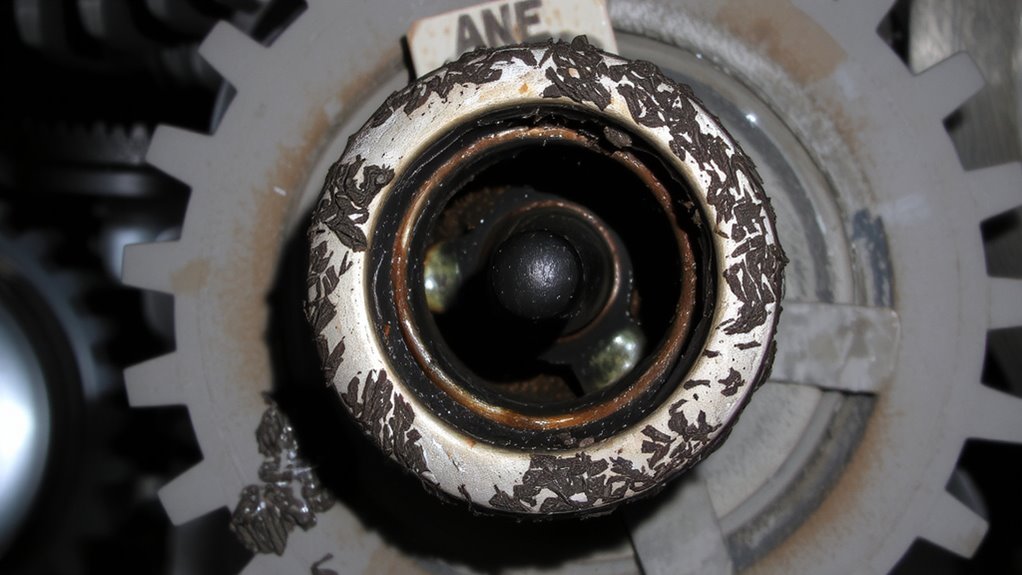
While gear systems are designed for durability, constant-mesh gears inevitably shed microscopic metal particles over time due to repeated tooth engagement under load. You see, each time gears mesh, surface stresses accumulate, leading to gear fatigue. This fatigue initiates microcracks, especially along tooth roots and fillets, where stress concentration peaks. Over thousands of load cycles, these cracks propagate, breaking off tiny metal fragments. Material corrosion also accelerates wear, particularly in humid or contaminated environments where lubricant degrades and exposes base metal to oxidation. Even high-grade alloy steels, often used in gears for their tensile strength (typically 1,200–1,800 MPa), aren’t immune. Corrosion weakens grain boundaries, making them prone to spalling. The combined effect of mechanical stress and chemical breakdown means metal shedding isn’t a flaw-it’s an expected part of gear operation. Monitoring this debris is critical for predicting service life and preventing catastrophic failure.
How Magnetic Drain Plugs Trap Shavings
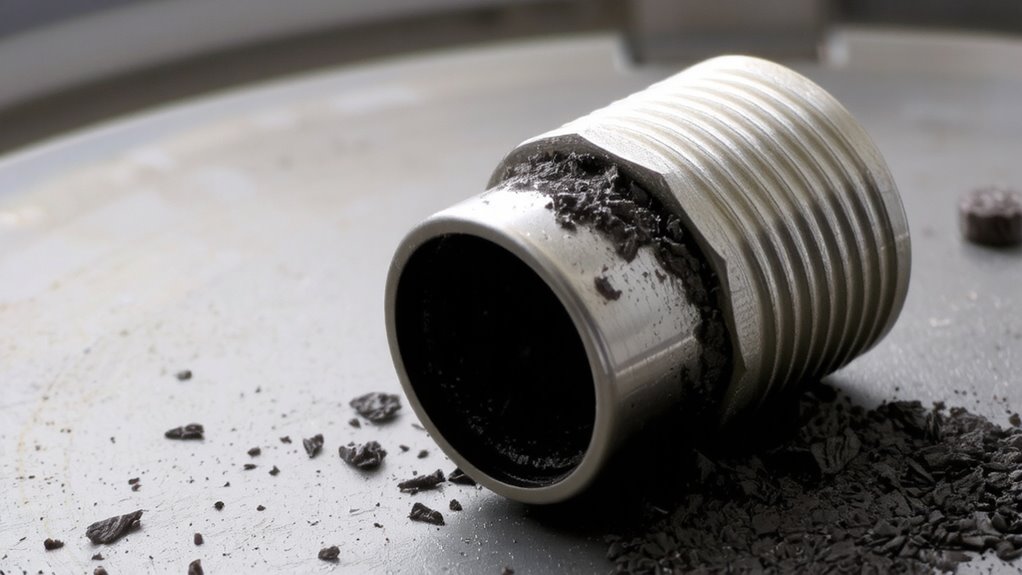
Metal shavings circulating in gear oil signal ongoing wear, but you can capture them before they cause further damage. Magnetic drain plugs use a powerful neodymium magnet to generate a high magnetic field strength, typically exceeding 12,000 gauss at the surface. This intense field extends into the surrounding oil, attracting ferrous particles as small as 1 micron. You’ll find debris adhesion rate depends on particle size, oil flow velocity, and proximity to the magnet. Larger shavings stick immediately, while finer particles accumulate over time. The magnet’s polarized surface guarantees consistent capture efficiency across operating temperatures from -40°C to 150°C. Unlike passive filters, magnetic plugs actively pull debris from the oil stream, concentrating it on the plug’s threaded body. This design allows you to inspect wear patterns during routine maintenance. The result is reliable particle control without altering system pressure or flow.
Benefits of Magnetic Plugs in Gearboxes
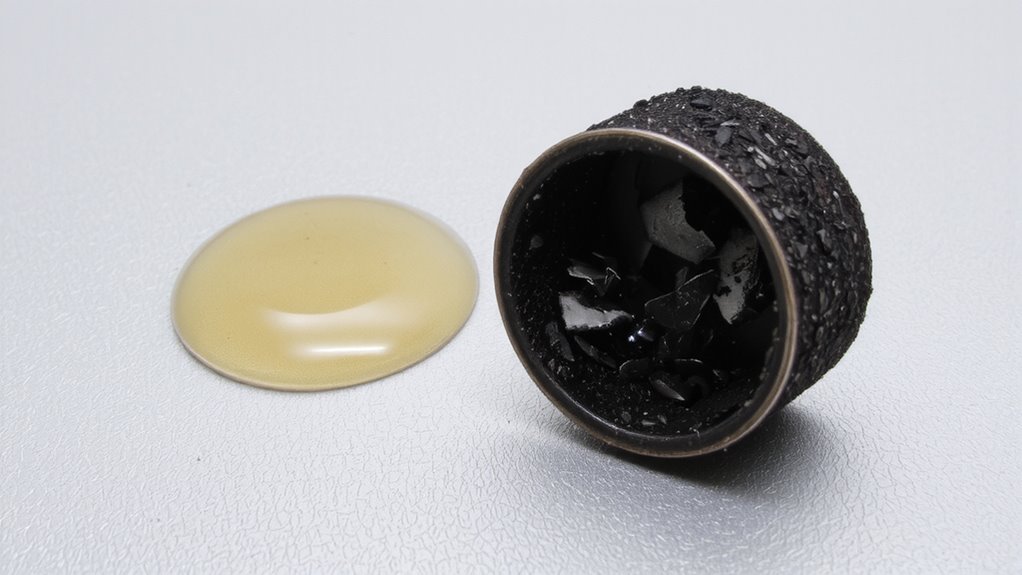
Since your gearbox relies on clean oil to maintain peak performance, installing a magnetic drain plug gives you an efficient way to protect critical components. The plug captures ferrous particles before they circulate, directly improving gear efficiency by reducing abrasive wear. Even microscopic metal shavings, if left unchecked, accelerate pitting and scoring on gear teeth. By removing these contaminants, you maintain smoother meshing surfaces and reduce friction losses. Magnetic plugs also extend lubricant longevity by minimizing oxidative degradation caused by suspended metal particles. Less debris means the oil retains its viscosity and protective additives longer, reducing change frequency. Most plugs use high-strength rare-earth magnets with flux densities exceeding 10,000 gauss, ensuring capture of particles down to 1 micron. This simple upgrade enhances reliability, cuts maintenance costs, and supports consistent power transmission under load.
How to Install a Magnetic Drain Plug
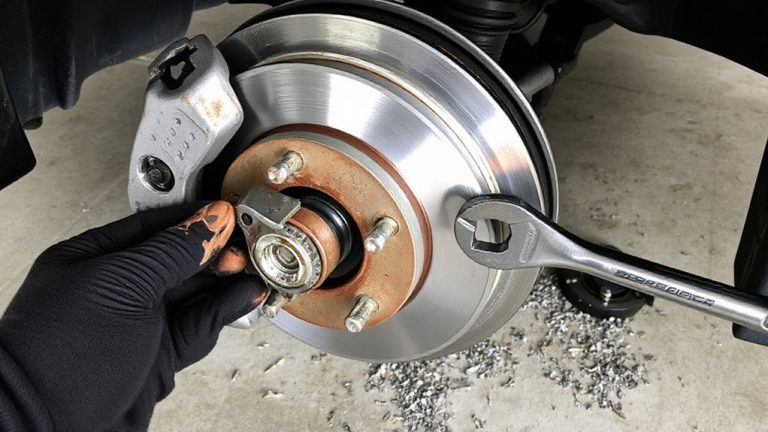
When replacing your gearbox’s standard drain plug, swapping in a magnetic version is a simple upgrade that pays off in long-term protection. First, confirm the correct plug type and thread size for your gearbox-common sizes include M14x1.5, M16x1.5, or 3/8″-16, but always refer to your equipment manual. Match the magnetic plug’s specifications exactly. Clean the drain hole thoroughly to prevent leaks and guarantee a proper seal. Most magnetic plugs use a crush washer; install it if required. Thread the plug in by hand initially to avoid cross-threading, then torque it to the manufacturer’s spec-typically 25–35 Nm. Over-tightening can damage the threads or housing. A properly installed magnetic plug captures ferrous debris during operation, acting like a filter for metal particles. Regular drain intervals help maintain effectiveness.
What Metal on the Plug Says About Gear Health
You’ve installed the magnetic drain plug-now it’s time to use it as a diagnostic tool. The metal particles it collects reveal critical wear patterns in your gears. Large ferrous flakes suggest active component wear, while fine shavings are typical during break-in. Use metal analysis to distinguish between normal operation and emerging failure.
| Particle Size | Appearance | Likely Source |
|---|---|---|
| Fine | Dust-like | Normal gear mating |
| Medium | Specks, small chips | Bearings or mild wear |
| Coarse | Flakes, chunks | Gear teeth damage |
Persistent coarse collection means immediate inspection is needed. Consistent medium particles indicate developing wear patterns requiring monitoring. Metal analysis via lab testing can identify alloy types, pointing to specific failed components. This plug isn’t just a filter-it’s a snapshot of your transmission’s internal health. Watch it regularly.
How to Clean & Monitor Your Magnetic Plug
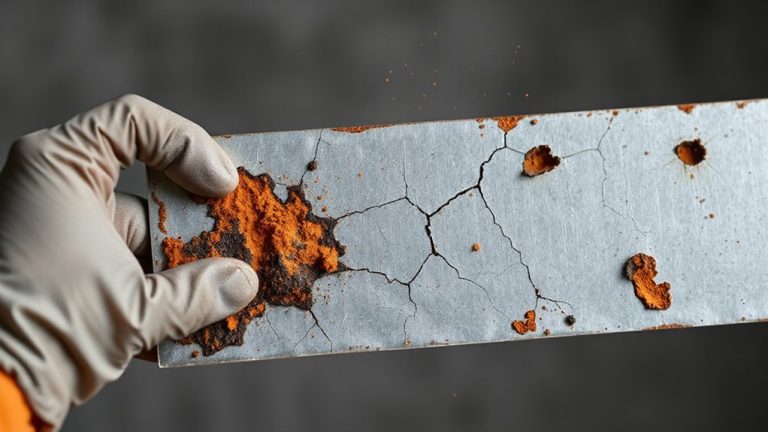
Why wait until failure strikes? Check your magnetic drain plug every 500 operating hours. Remove it carefully using the correct socket to avoid damaging the threads. Inspect for plug corrosion-white or rough deposits signal coolant leaks or contaminated oil. Clean the magnet with a lint-free cloth and mineral spirits; never use abrasives. Examine captured debris: fine powder is normal; large flakes mean wear. Check thread wear with a thread gauge; if the fastener spins loosely or shows visible flattening, replace it. Reinstall with 18–22 ft-lbs torque and fresh sealant. A compromised plug risks oil loss and housing damage. Monitoring regularly gives early warnings, extending gear life. Think of it as preventive medicine for your transmission-small effort, big payoff. Stay proactive, not reactive.
On a final note
You protect your gearbox with every oil change. A magnetic drain plug captures ferrous particles as small as 10 microns. It threads into the sump with 3/4″-16 UNF standard sizing. This prevents abrasive wear from circulating metal debris. Routine inspection reveals particle volume and shape, indicating gear or bearing wear. Clean it with a lint-free cloth and solvent. Monitoring trends helps predict failures before they happen. It’s low-cost insurance for high-load transmissions.