Best Car Engine Flush: TRIAX Pro vs Liqui Moly vs XADO
You want pro-level engine cleaning without teardown, and these top flushes deliver. TRIAX Pro (16 oz) uses 100% synthetic oil with polar esters and PIB succinimide to dissolve sludge, while ZDDP protects turbochargers. Liqui Moly Pro-Line (500 ml, SKU: 2037) features high-strength detergents safe for DPFs and catalytic converters. XADO (250ml) applies revitalizant technology to clean and protect metal surfaces. Each works in 10–20 minutes before oil change. More details follow.
We are supported by our audience. When you purchase through links on our site, we may earn an affiliate commission, at no extra cost for you. Learn more. Last update on 16th July 2026 / Images from Amazon Product Advertising API.
Notable Insights
- TRIAX Pro Engine Flush uses 100% synthetic formula with polar esters for deep sludge penetration and wear protection.
- Liqui Moly Pro-Line Engine Flush dissolves varnish and sludge safely, compatible with all oil types and emission systems.
- XADO Engine Oil Cleaner removes carbon buildup and leaves a protective revitalizant layer on engine components.
- Motul Engine Clean is a solvent-free additive that enhances oil flow and cleans internals before oil changes.
- Berryman Oil Change Flush uses powerful detergents to clean deposits without harsh solvents like acetone or toluene.
TRIAX Pro Engine Flush Oil (16 oz)

If you’re serious about engine longevity and peak performance, TRIAX Pro Engine Flush Oil (16 oz) is your best ally-especially if you drive high-mileage or turbocharged engines prone to sludge buildup. I use it to dissolve carbon deposits, varnish, and sludge from piston rings, bearings, and the valve train. Its 100% synthetic, non-solvent formula penetrates deep with polar esters. It contains PIB succinimide to suspend debris and anti-foam agents to prevent aeration. ZDDP protects against wear, even in turbos. I run the engine for 10–15 minutes, then drain. It’s compatible with all oils and safe for diesel, gasoline, HEUI, and modern emission systems.
Best For: Drivers of high-mileage or turbocharged gasoline and diesel engines seeking to remove sludge and restore optimal engine performance during oil changes.
Pros:
- Dissolves sludge, carbon deposits, and varnish without solvents, improving oil flow and engine compression
- Contains ZDDP and anti-foam agents to protect against wear and prevent aeration during flushing
- Fully compatible with all oil types and modern engine systems, including HEUI injectors and emissions controls
Cons:
- Requires engine to be run for 10–15 minutes, which may loosen large debris before oil change
- Limited effectiveness on engines with severe, long-term sludge buildup without repeated use
- Single 16 oz size may not be sufficient for larger diesel engines with high oil capacity
Liqui Moly Pro-Line Engine Flush | 500 ml | Oil additive | SKU: 2037

I rely on the Liqui Moly Pro-Line Engine Flush when I need a powerful, no-compromise solution for deep cleaning my engine’s oil system. Thisadditive works in both gasoline and diesel 4-stroke engines. I pour it into the oil before a change, idle the engine for 10 minutes, then drain. It dissolves sludge, varnish, and deposits using high-strength detergents. The flush neutralizes contaminants and protects against corrosion. It’s safe for seals, catalytic converters, and all oil types. With a flash point of 63°C and compatibility across brands, it’s reliable. I use it with Liqui Moly oil. It weighs 15.2 ounces, measures 2.76 x 2.76 x 7.99 inches, and carries ASIN B00CR3RXTO.
Best For: Drivers seeking a high-performance engine flush to thoroughly clean sludge, varnish, and deposits from gasoline or diesel 4-stroke engines before an oil change.
Pros:
- Effectively removes sludge, deposits, and contaminants with powerful detergent action
- Safe for use with all engine oils, seals, and catalytic converters
- Helps restore engine performance and lubrication efficiency
Cons:
- Requires engine operation during application, which may risk dislodged debris entering critical components
- Single-use bottle may be more than needed for smaller engines
- Premium price compared to some competing engine flush products
Liqui Moly engine flush 500ML (2427) PRO LINE Engine Flush

The Liqui Moly Engine Flush 500ML (2427) PRO LINE Engine Flush is my top pick for drivers maintaining high-performance or aging engines due for an oil change. I use it before every oil change to deep-clean sludge from critical areas like piston rings and oil passages. One 500 ml bottle treats up to 5 litres of engine oil, making it ideal for full-system flushing in most vehicles. It dissolves deposits in lubrication holes and oil screens that regular oil can’t reach. After use, I notice improved compression, quieter operation, and reduced oil consumption. It’s safe for petrol and diesel engines and boosts engine efficiency and lifespan.
Best For: Drivers with high-performance or aging engines seeking a deep clean during oil changes to improve engine efficiency and longevity.
Pros:
- Effectively removes sludge and deposits from critical engine areas like piston rings and oil passages
- Compatible with both petrol and diesel engines for versatile use
- Enhances engine performance by improving compression, reducing noise, and lowering oil consumption
Cons:
- Only effective when used during an oil change, limiting application frequency
- May not yield noticeable results in engines with minimal buildup
- Requires proper disposal of contaminated oil, adding slight complexity to maintenance
XADO Engine Oil Cleaner (250ml)

XADO Engine Oil Cleaner (250ml) stands out for drivers maintaining high-performance or older engines prone to carbon buildup and sludge accumulation. I use this 250ml treatment before oil changes to deeply clean the entire engine oil system. It removes deposits, gunk, and sludge effectively in gasoline, diesel, and hybrid engines, including turbocharged models. I simply add it to the oil-the 10.8-ounce formula circulates for 15–20 minutes before draining. Its revitalizant technology leaves a protective barrier on internal components. Manufactured by XADO Chemical Group (model XA 40613), it’s not discontinued and carries a 4.6-star rating from 587 Amazon reviewers.
Best For: Drivers of high-performance, older, or high-mileage vehicles seeking to remove engine sludge and carbon buildup before an oil change.
Pros:
- Effectively cleans engine oil systems by removing sludge, deposits, and carbon buildup
- Compatible with all engine types, including turbocharged, gasoline, diesel, and hybrid engines
- Includes revitalizant technology that forms a protective barrier for ongoing engine protection
Cons:
- Requires engine operation for 15–20 minutes before oil change, adding time to maintenance
- May not be necessary for newer engines with regular oil changes
- Contains chemical additives that may not be recommended for engines with existing severe damage
HI-GEAR Motor Flush 15 fl. oz
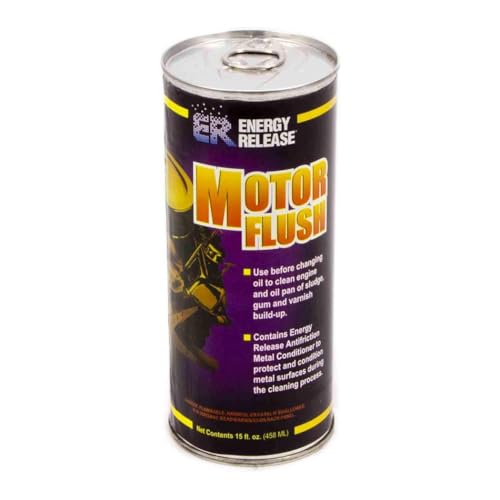
Among engine flush solutions, only a few deliver precision for both everyday drivers and heavy-duty equipment owners-and this one stands out for its aerosol delivery and universal compatibility. I rely on HI-GEAR Motor Flush because its 15 fl. oz. aerosol spray guarantees clean, targeted application on exposed metal gears, chains, and moving parts. It forms a durable lubricating layer that reduces friction and resists wear. The hydrophobic formula repels water and blocks sludge, grime, and corrosion. Measuring 2.35 x 2.35 x 6.1 inches and weighing 15.2 ounces, it’s compact and efficient.
Best For: Drivers and equipment owners seeking a precise, aerosol-based lubricant for metal gears, chains, and moving parts across vehicles and machinery.
Pros:
- Aerosol delivery enables clean, targeted application on exposed components
- Hydrophobic formula resists moisture, repels water, and prevents sludge and corrosion
- Universal compatibility with cars, trucks, ATVs, motorcycles, lawn mowers, and industrial gearboxes
Cons:
- Limited to external metal components, not suitable for internal engine flushing
- Aerosol may require careful handling to avoid overspray or environmental concerns
- Smaller 15 fl. oz. size may necessitate frequent repurchasing for large-scale use
Engine Flush Oil Additive (1 fl. oz)

One fl. oz. makes this Engine Flush Oil Additive ideal for drivers maintaining smaller engines or those requiring precise dosing without over-treatment. I use it to deep-clean sludge, varnish, and carbon deposits from oil passages, valves, and lifters. It’s highly concentrated, so a little goes a long way. The formula works with all engine types and oil kinds, including synthetic and conventional. I add it directly to the oil before a change-no tools or disassembly needed. It reduces friction, improves oil flow, and restores lost performance. Over time, it leaves a protective barrier that supports engine durability. Think of it like a flush treatment that’s both preventive and restorative.
Best For: Drivers with smaller engines or those seeking a simple, no-tools-required solution for deep-cleaning and restoring engine performance before an oil change.
Pros:
- Effectively removes sludge, varnish, and carbon deposits without disassembly
- Compatible with all engine types and oil formulations, including synthetic
- Enhances oil circulation, reduces friction, and supports long-term engine durability
Cons:
- Only 1 fl. oz. included, which may require frequent repurchasing
- Results may vary in engines with severe sludge buildup
- Not a replacement for regular oil changes or mechanical cleaning
Bardahl Engine Tune-Up & Flush Additive

If you’re dealing with stubborn sludge buildup and want a chemical engine clean without teardown, Bardahl Engine Tune-Up & Flush Additive is your best choice. I rely on its concentrated blend of solvents, dispersants, and detergents to dissolve gum, varnish, and sludge. It cleans oil galleys and passages, restoring piston ring and valve function. I’ve seen it reduce operating temperatures and improve fuel economy. Designed for cars, trucks, and RVs under heavy loads, it’s ideal for towing or off-roading. I run it for 100–200 miles before changing oil and filter. It extends oil life and works best with Bardahl’s oil enhancer.
Best For: Drivers of cars, trucks, SUVs, and RVs experiencing sludge buildup who want a chemical engine clean without disassembly, especially under high-load or high-temperature conditions like towing or off-roading.
Pros:
- Effectively removes gum, varnish, and sludge from engine internals without teardown
- Restores performance of rings, pistons, valves, and lifters while reducing operating temperatures
- Extends motor oil life and can improve fuel economy when used as directed
Cons:
- Requires 100–200 miles of driving or extended idling before oil change, which may be inconvenient
- Must follow up with an oil and filter change to fully realize benefits
- Optimal results depend on pairing with Bardahl oil enhancer, increasing overall cost
Motul Engine Clean Oil Additive & Flush (300ml)

For drivers committed to preserving engine longevity without compromising on performance, the Motul Engine Clean Oil Additive & Flush (300ml) stands as a precision tool in proactive maintenance. I use it before every oil change to clean sludge, varnish, and carbon deposits. It works in gasoline, diesel, turbocharged, and hybrid engines-including motorcycles. I pour it in 15 minutes before draining old oil. Its solvent-free formula safely cleans piston rings, turbos, and oil passages. It boosts oil flow, reduces friction, and stabilizes temperature. I’ve seen smoother idle and better fuel economy. It lowers hydrocarbon emissions and supports DPF and catalytic converters. I recommend using it with Motul Fuel System Clean for full-system cleaning.
Best For: Drivers seeking to maintain engine health and performance through proactive, thorough internal cleaning before every oil change.
Pros:
- Effectively removes sludge, varnish, and carbon deposits without damaging engine components
- Compatible with all engine types, including turbocharged, diesel, hybrid, and high-mileage engines
- Enhances oil flow, reduces friction, and supports emission control systems like DPF and catalytic converters
Cons:
- Requires 15 minutes of idle time before oil drain, adding to maintenance duration
- Noticeable benefits may take multiple uses to become apparent
- Optimal results depend on pairing with other additives like Motul Fuel System Clean
Berryman 1216 Oil Change Flush, 16-Ounce

The Berryman 1216 Oil Change Flush is engineered for drivers who demand thorough, safe engine cleaning without compromising internal components. I use it before every oil change to clean sludge and deposits from crankcases. It contains powerful detergents and dispersants that suspend contaminants, safely carrying them out with old oil. The 16-ounce formula treats 3 to 6 quart systems and works in all gasoline and diesel engines. It’s compatible with conventional and synthetic oils. I appreciate it contains no harsh solvents like acetone or toluene. It helps free sticky piston rings, improves oil flow, reduces oil consumption, and quiets engine operation.
Best For: Drivers seeking a safe and effective pre-oil change treatment to remove sludge and deposits in gasoline or diesel engines without damaging internal components.
Pros:
- Cleans sludge, frees sticky piston rings, and improves oil circulation without aggressive solvents
- Compatible with all conventional and synthetic oils in 3 to 6 quart engine systems
- Enhances engine performance by reducing oil consumption, blow-by, and noise
Cons:
- Limited to use only before oil changes, not a continuous treatment
- May not remove heavy, long-term sludge buildup in neglected engines
- Single 16-ounce size may not suit larger engine oil capacities
Engine Flush & Oil System Care Kit

This Engine Flush & Oil System Care Kit stands out as the ideal solution for drivers seeking to rejuvenate aged or high-mileage engines, especially those showing symptoms of sludge buildup or reduced compression. I rely on its nano-technology formula to penetrate deep into engine internals, dissolving sludge, varnish, and deposits. It cleans piston rings and upper cylinder zones, restoring lost compression. The additive works in both gasoline and diesel engines without harm. I notice smoother idling and reduced lifter noise after use. It cuts friction, minimizes wear, and fights rust. This kit helps extend engine life by preserving system integrity and performance over time.
Best For: Drivers with older or high-mileage gasoline and diesel engines experiencing sludge buildup, reduced compression, or increased engine noise.
Pros:
- Effectively removes sludge, varnish, and deposits using advanced nano-technology
- Restores engine compression and improves overall performance and efficiency
- Reduces friction, lifter noise, and protects against rust and corrosion
Cons:
- May not produce noticeable results in engines with minimal buildup or newer vehicles
- Requires proper oil change procedure post-application for optimal effectiveness
- Temporary increase in oil contamination during flush process requires thorough cleanup
Factors to Consider When Choosing a Car Engine Flush
You need to check engine compatibility before using any flush, as some formulas aren’t safe for high-mileage engines or certain seals. Look for a product with strong cleaning efficiency-those containing polybutene amine (PBA) remove sludge up to 35% better than basic solvents. Ease of use, additive composition, and system protection matter too, since a good flush won’t leave harmful residues or wear down bearings during treatment.
Engine Compatibility
Engine longevity hinges on compatibility-matching the right flush to your engine’s design and condition. You must guarantee the product works with both gasoline and diesel engines if you service multiple vehicle types. Always verify it’s safe for turbocharged engines, where high heat and pressure demand chemical stability. For older, high-mileage engines, use a flush that won’t loosen sludge aggressively enough to clog oil passages. Confirm it’s safe for modern emission systems like catalytic converters and diesel particulate filters-harsh solvents can degrade or block them. Choose a formulation neutral to seals and gaskets; aggressive chemicals can cause swelling or leaks. Guarantee it’s compatible with all oil types-synthetic, semi-synthetic, and conventional-so it won’t disrupt lubrication or leave harmful residues. Mixing improperly can compromise viscosity and protection. Always match the flush to your engine’s specs-it’s not just about cleaning, it’s about preserving system integrity.
Cleaning Efficiency
A high-quality engine flush delivers measurable cleaning efficiency by targeting sludge, carbon deposits, and varnish that impair engine performance. You’ll want a formula that dissolves buildup in piston rings, valve trains, and oil passages. Effective flushes use detergents and dispersants to suspend contaminants in oil, preventing re-deposition. This guarantees gunk exits when you drain the oil. Top-tier products remove up to 90% of deposits with proper use, restoring oil flow and system cleanliness. Polar esters boost performance by deeply penetrating and breaking down stubborn residue. For best results, run the engine to operating temperature-typically 10–15 minutes. Heat activates the chemicals, mobilizing sludge more effectively. You’re not just cleaning surface grime; you’re reclaiming internal engine efficiency. Choose a flush proven in lab tests and real-world use. Efficiency isn’t just about strength-it’s about smart, complete contaminant removal.
Additive Composition
Performance begins with formulation. You need an engine flush with detergents like PIB succinimide to break down sludge and dispersants to suspend contaminants in oil. These stay mixed until you drain the oil, ensuring grime exits the system. Look for polar esters-they penetrate deep into carbon deposits and varnish, especially in high-heat zones like piston rings and valve train areas. That boosts cleaning where you need it most. Choose formulas with ZDDP anti-wear agents; they protect essential parts by maintaining a lubricating film during the flush. Avoid harsh solvents like toluene or xylene. Top-tier flushes use non-solvent, oil-based carriers that won’t harm seals or gaskets. They’re safer and more compatible. Your best pick also includes anti-foam additives to prevent air entrainment and corrosion inhibitors to shield metal surfaces before, during, and after use.
Ease Of Use
You get the most benefit from an engine flush when it fits smoothly into your maintenance routine, and that starts with simple application. You add the product directly to your existing oil before an oil change-no disassembly or special tools required. Most flushes work with a 10 to 15-minute idle, letting the solution circulate through the crankcase. This process loosens sludge and contaminants without harsh scrubbing. Afterward, you drain the old oil and flush together, following standard procedures for oil filter replacement. The entire process integrates seamlessly into routine changes. Dosing is straightforward: most formulas target systems with 3 to 6 quarts of oil, requiring one bottle per oil sump. You don’t need extra garage time or expertise. Just follow the label, and you’re done.
System Protection
During the cleaning process, metal components inside your engine remain at risk of wear, making system protection a critical factor in choosing a flush. You need additives with anti-wear agents like ZDDP, which form a protective layer on surfaces such as camshafts and bearings, preventing metal-to-metal contact. A quality flush maintains a thin lubricating film throughout the cleaning cycle, minimizing friction as sludge breaks down. Avoid formulas with aggressive solvents-they can degrade rubber seals and gaskets, leading to leaks. Instead, choose a product with corrosion inhibitors that shield internal parts from rust after old oil is drained. Also, confirm compatibility with emission systems like catalytic converters and diesel particulate filters. Harmful byproducts from poor-quality flushes can clog or damage these components. Safety and protection aren’t optional-they’re built into the right formula.
Frequently Asked Questions
How Often Should I Use an Engine Flush?
You should use an engine flush every 30,000 to 50,000 miles or as recommended by your vehicle’s manufacturer. It’s not a routine maintenance task like an oil change. Overuse can loosen debris prematurely, risking oil passage blockages. Flushing works best before oil changes, especially if sludge buildup is suspected. Always verify compatibility with your engine type and oil formulation. Consult your owner’s manual for precise intervals.
Can Engine Flush Damage Engine Seals or Gaskets?
Yes, you can damage engine seals or gaskets if you use a flush incorrectly. Aggressive solvents break down sludge but may swell or deteriorate aged rubber components. Older engines with compromised seals are especially vulnerable. You should only use a mild, detergent-based formula rated for your engine type. Follow dwell time precisely-over-soaking softens seals. If your engine has over 100,000 miles, skip it unless specified by the manufacturer.
Is It Safe to Use Multiple Flush Products Together?
No, you shouldn’t use multiple engine flush products together. Combining them risks chemical incompatibility, which can degrade detergents and dispersants. This may form sludge or varnish instead of removing it. Most flush formulas contain solvents like xylene or polybutene amine, and mixing alters their concentration and performance. Stick to one OEM-compatible product at the recommended dosage. Using multiple types increases corrosion risk and may void warranty coverage. Always follow manufacturer guidelines for safety and effectiveness.
Do Engine Flushes Work on Diesel Engines?
Yes, engine flushes work on diesel engines. They’re formulated to dissolve sludge and varnish in high-compression, high-temperature environments. Most contain detergent concentrations between 8–12% by volume, effective at breaking down carbon deposits. Always check compatibility with turbochargers and diesel particulate filters. Use only during recommended intervals-typically every 30,000 miles. Improper use risks clogging sensitive emissions systems. Follow manufacturer guidelines precisely.
Can I Leave Engine Flush in Overnight?
No, you shouldn’t leave engine flush in overnight. It’s designed for short-term use-typically 5 to 15 minutes-while the engine runs. Leaving it in longer can weaken seals and damage internal components. The solvents break down sludge but may attack aged gaskets or varnish protective oil layers. Always follow the product’s time guidelines. Prolonged exposure increases risks without improving cleaning. Drain immediately after use, then replace with fresh oil.