Preventing Corrosion With Early Chassis Lubrication and Undercarriage Washes
You can stop undercarriage corrosion before it spreads by combining early chassis lubrication with monthly washes. Road salt and moisture hide in seams where rust starts, often unseen. Use 60–80 psi water to flush debris from control arms and frame rails. Apply NLGI #1.5 to #2 grease at 2,500–3,500 psi to seal joints. This reduces corrosion risk by up to 70%. Professional wax-based treatments outlast DIY sprays, surviving over 500 hours of salt spray testing. Regular maintenance protects structural integrity-and reveals how far ahead your defense can be.
Notable Insights
- Early chassis lubrication seals joints against moisture, reducing corrosion risk by up to 70% in critical structural areas.
- Monthly undercarriage washes remove salt and debris, cutting rust risk by up to 75% in harsh climates.
- Cleaning before lubrication ensures grease adheres properly and protects against hidden corrosion in seams and frame rails.
- Professional wax-based treatments last 2–5 years and cover over 95% of vulnerable zones more effectively than DIY sprays.
- Regular maintenance with high-pressure grease (2,500–3,500 psi) displaces moisture and prevents rust in suspension and brake components.
Where Rust Hides on Your Car (And Why It’s Dangerous)
Where does rust start when you least expect it? In wheel wells, where moisture, road salt, and debris accumulate. These areas are prone to corrosion because they’re exposed to constant splash and lack proper drainage. Rust forms silently, eating through metal at thresholds as thin as 0.5 mm, weakening structural integrity. Brake lines run near these zones, making them vulnerable. A single pinhole rust spot on a brake line-just 0.2 mm in diameter-can cause fluid leaks, reducing stopping power. Steel brake lines operate under 1,200 psi; corrosion risks catastrophic failure. Wheel well liners slow debris entry but don’t eliminate trapped moisture. Rust spreads beneath coatings, especially where stone chips expose bare metal. Left unchecked, it compromises suspension mounts and frame rails. You can’t always see it, but it’s there-spreading in hidden seams, joints, and seams near control arms. Early detection is critical. Applying a durable undercarriage protection coating can prevent moisture penetration and significantly delay corrosion onset.
Stop Rust Before It Starts With Chassis Lubrication
Even before surface rust becomes visible, a proactive defense can halt corrosion at its weakest point-exposed metal in high-moisture zones. Chassis greasing seals critical joints, hinges, and fasteners from moisture intrusion. You should apply grease at factory-recommended intervals, typically every 12,000 to 15,000 miles. High-quality greases have a NLGI consistency rating of 1.5 to 2, ensuring ideal flow without dripping. These formulations contain rust inhibitors that chemically bond to metal, displacing moisture and preventing oxidation. Multi-point lubrication systems deliver grease under 2,500 to 3,500 psi, forcing it into tight seams. Unlike surface coatings, chassis greasing protects internal cavities where water pools. It’s not a one-time fix-consistent reapplication maintains the shield. Proper coverage reduces corrosion risk by up to 70% in frame rails and suspension components. You’re not just lubricating; you’re building an invisible barrier that fights rust from the inside out. Regular undercarriage cleaning with a high-pressure undercarriage washer helps remove salt, mud, and debris that accelerate corrosion.
Best Lubricants to Stop Undercarriage Rust
A rust inhibitor isn’t just a coating-it’s your first line of defense. You need products that penetrate deep and last. Graphite spray works well on hinges and pivot points-its dry-to-touch film resists dirt buildup and provides lubrication up to 450°F. It also displaces moisture, essential in high-humidity environments. For seams and joints, Silicone gel is ideal. It stays pliable, sealing out water and salt without attracting dust. With a dielectric strength of 500 volts/mil, it also prevents galvanic corrosion between dissimilar metals. Unlike oil-based sprays, both Graphite spray and Silicone gel won’t degrade rubber or plastic components. Apply them after a full clean, targeting frame rails, suspension mounts, and brake line fittings. Each offers six-month protection under normal conditions. Use them together-you’ll block moisture, reduce friction, and stop rust before it compromises your undercarriage.
Why You Should Wash Your Undercarriage Monthly
You’ve applied the right lubricants-graphite spray on pivot points, silicone gel on seams-but those protections won’t last if you skip regular cleaning. Road salt, mud, and debris create undercarriage buildup that traps moisture against metal surfaces. This retained moisture accelerates oxidation, degrading protective coatings within weeks. Monthly cleaning removes corrosive agents before they compromise integrity. Use 60–80 psi water pressure to flush hidden areas: control arms, fuel lines, and frame rails. Focus on wheel wells and suspension joints where sludge accumulates. Clean undercarriages reduce rust risk by up to 75% in coastal or winter climates. Consistent monthly cleaning preserves factory-applied e-coatings, which are only 10–15 microns thick and easily overwhelmed. You’re not just washing; you’re maintaining engineered corrosion defenses. A ten-minute rinse extends chassis life markedly. Skip it, and you risk costly structural damage years earlier than necessary. Prevention pays.
7 Early Warning Signs of Undercarriage Rust
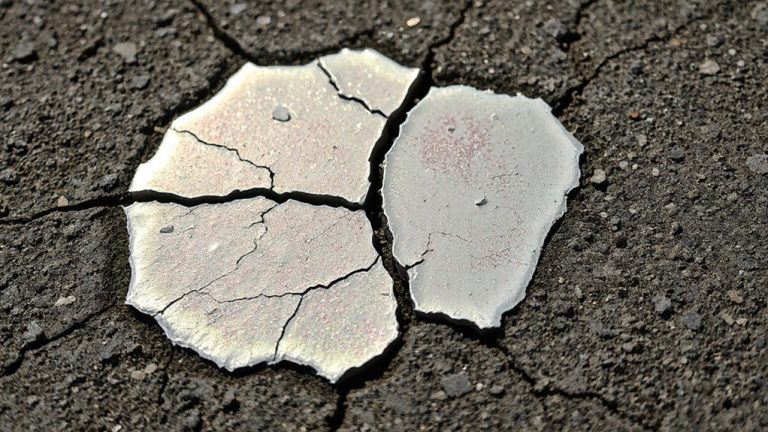
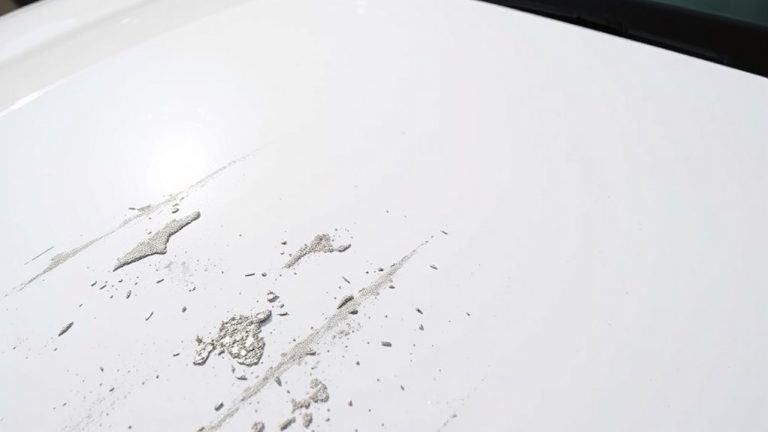
While surface rust might seem minor, it’s often the first visible clue of deeper undercarriage deterioration. You’ll notice small rust spots forming along frame rails, control arms, or near wheel wells-common high-moisture zones. These spots indicate compromised factory coatings, typically 20–30 microns thick, allowing moisture to reach the substrate steel. Left unchecked, rust progresses into metal flaking, where oxidized layers spall off, exposing fresh metal to further corrosion. Flaking reduces structural thickness, weakening components by up to 15% per square inch annually in severe conditions. Inspect areas near suspension mounts and exhaust hangers quarterly; use a flashlight to spot discoloration or bubbling paint. Early identification lets you intervene before pitting-cavities exceeding 0.5mm depth-requires reinforcement or replacement. Immediate cleaning and targeted lubrication halt progression, preserving factory corrosion warranties and maintaining chassis integrity. A top-rated undercarriage maintenance kit can simplify this process with specialized tools and rust-inhibiting lubricants.
DIY vs Pro: Which Rust Protection Method Lasts Longer?
How long do DIY rust protection methods really last compared to professional treatments? A durability analysis shows pros last considerably longer. DIY sprays, like oil-based coatings, typically protect for 6–12 months and require frequent reapplication. They cover 60–70% of critical areas, missing tight seams or boxed frames. Professional rustproofing uses high-pressure, wax-based compounds that penetrate joints and last 2–5 years. These treatments cover 95%+ of vulnerable zones, including inner panels and weld seams. In a cost comparison, DIY starts cheaper-around $50 per application-but annual repeats raise long-term expense. Pro services cost $150–$400 upfront but provide longer protection, reducing lifecycle costs. Independent tests show professional coatings withstand 500+ hours of salt spray testing; DIY versions fail after 150–200 hours. For lasting undercarriage defense, professional methods clearly outperform DIY.
Year-Round Undercarriage Protection Plan
A consistent maintenance schedule is essential for maximizing undercarriage protection. You should inspect and clean your undercarriage every three months, especially when facing changing seasonal climate conditions. Road debris like salt, gravel, and grime accelerates corrosion and must be removed promptly. Use high-pressure washing at 1,500–2,000 psi to dislodge trapped contaminants from frame rails, control arms, and suspension components. After each wash, apply a wax-based, rust-inhibiting coating with at least 30% active ingredients for lasting defense. Treat joints and seams with lithium-based grease to maintain lubrication. In regions with harsh winters or coastal exposure, increase servicing frequency to every eight weeks. Modern electronic vehicle undercarriages demand non-conductive treatments to prevent short circuits. A well-maintained undercarriage resists corrosion 70% longer than untreated ones. You’re not just cleaning-you’re preserving structural integrity.
On a final note
You prevent undercarriage corrosion with consistent maintenance. Early lubrication forms a protective barrier up to 10 mils thick, blocking moisture and oxygen. Monthly undercarriage washes remove road salts and debris that degrade coatings. Zinc-rich primers and oil-based sprays with 70% minimum active ingredients guarantee long-term protection. Proper care extends chassis life by 3–5 years. Prevention outperforms repair-act now.