Flushing Brake Fluid in a 2012 Toyota RAV4 Using a One-Man Bleeder Kit
Flush your 2012 Toyota RAV4’s brake fluid every 24 months or 24,000 miles using a one-man bleeder kit for efficiency. Start with a full DOT 3 or DOT 4 reservoir and drain old fluid first. Use a 7mm wrench to open each bleeder valve slightly, following the sequence: right rear, left rear, right front, left front. Attach 5/32-inch nylon tubing to prevent air ingress. Keep the reservoir above halfway to avoid airlocks. You’ll find precise setup steps and error prevention tips next.
Notable Insights
- Flush brake fluid every 24 months or 24,000 miles using DOT 3 or DOT 4 fluid compatible with your 2012 RAV4.
- Drain old fluid from the master cylinder first, then refill with fresh brake fluid before starting the bleed.
- Use a one-man bleeder kit with 5/32-inch tubing and a 7mm or 8mm wrench for the bleeder valves.
- Bleed each caliper in sequence: right rear, left rear, right front, then left front to ensure complete air removal.
- Keep the master cylinder reservoir above halfway full during bleeding to prevent air ingestion into the system.
How to Flush Brake Fluid on a 2012 RAV4
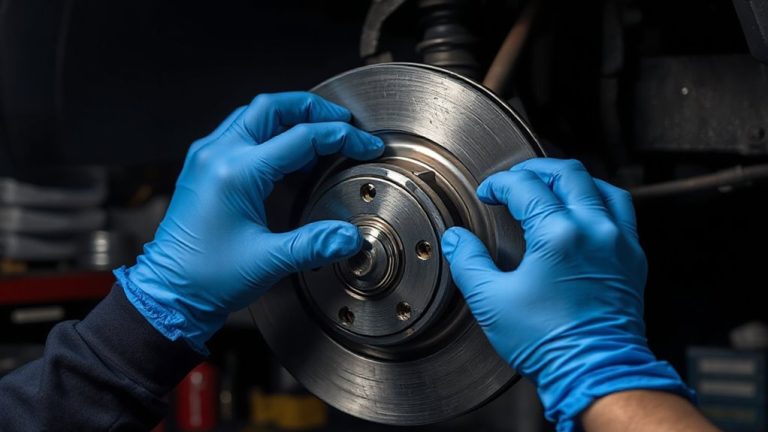
Why wait until your brakes feel soft or perform poorly? You should flush your brake fluid every two years or 24,000 miles-whichever comes first. Start by checking the master cylinder reservoir; drain old fluid using a turkey baster, then refill with fresh DOT 3 fluid. Use a one-man bleeder kit to systematically purge air from each caliper, beginning with the farthest wheel-right rear, left rear, right front, left front. Open the bleeder valve slightly and pump the pedal slowly. Monitor fluid clarity; stop when new, amber-colored fluid flows without bubbles. While bleeding, perform a brake pad inspection-measure pad thickness, replace if under 3mm. Conduct rotor surface cleaning to remove rust and debris with isopropyl alcohol. Smooth rotor surfaces guarantee even pad contact and maximum stopping power. This prevents noise and premature wear. Complete all four wheels to guarantee consistent hydraulic performance and safety.
Tools for a One-Man Brake Fluid Bleed
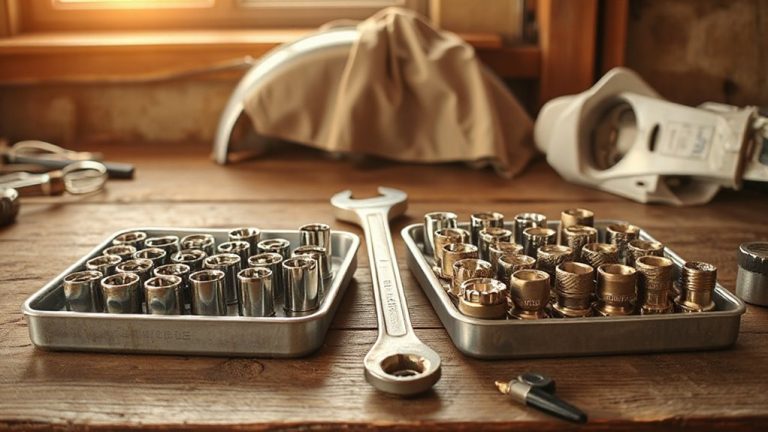
While you can bleed brakes with basic hand tools, a one-man brake bleeder kit simplifies the process and reduces the risk of air re-enter mural system. You’ll need a vacuum or pressure-type kit-most use a hand pump with a 12-ounce transparent reservoir to monitor fluid flow. Use only DOT 3 or DOT 4 brake fluid, as these are compatible with your 2012 RAV4’s hydraulic system and resist boiling under high temperatures. Check the bleeder valve condition before attaching the hose; corroded or stripped valves leak fluid and trap air. A 7mm or 8mm box-end wrench typically fits the valve. Include nylon tubing (5/32-inch inner diameter) to create an airtight seal over the valve. Proper tool selection guarantees efficient bleeding and maintains brake fluid types’ integrity throughout the flush.
5 Mistakes to Avoid With a Bleeder Kit
If you skip checking the brake fluid reservoir before starting, you risk drawing air into the master cylinder, which compromises braking performance. Keep the reservoir at least half full throughout the process to prevent air bubbles from entering the system. Air bubbles compress under pressure, reducing brake pedal firmness and increasing stopping distance. When attaching the bleeder kit hose to the caliper bleeder screw, guarantee a snug fit-forcing it can cause cross threading. Cross threading damages the valve’s 10 mm metric threads, leading to leaks or a stuck screw. Use a 7 mm wrench for controlled, quarter-turn releases. Don’t fully open the valve; a small opening prevents fluid from spraying. Recheck connections before each pump. A well-sealed system maintains pressure, allowing the vacuum or pressure-type bleeder kit to extract old fluid cleanly. Avoid rushing: steady, deliberate strokes yield better results.
Why Your RAV4 Needs Fresh Brake Fluid
Brake fluid degradation is a silent threat that undermines your 2012 Toyota RAV4’s stopping power over time. As moisture seeps into the hydraulic system, it causes fluid contamination and lowers the boiling point of the fluid. This increases the risk of vapor lock under heavy braking, reducing pedal responsiveness. Contaminated fluid accelerates brake corrosion, damaging calipers, the master cylinder, and ABS components. Fresh DOT 3 fluid maintains a baseline dry boiling point of 205°C (401°F), critical for safe operation.
| Condition | Effect on System |
|---|---|
| High moisture content | Boiling point drops below 140°C |
| Fluid contamination | Promotes internal rust and clogging |
| Old fluid (3+ years) | Increases risk of brake corrosion |
| Clear but degraded fluid | Still compromised chemically |
When to Change Brake Fluid
Toyota recommends changing the brake fluid in your 2012 RAV4 every 24 months or 24,000 miles, whichever comes first. This interval prevents moisture contamination, which degrades performance. Brake fluid is hygroscopic, meaning it absorbs water from the air over time. Excess moisture lowers the boiling point, increasing the risk of vapor lock under heavy braking. Check the brake fluid color regularly. Fresh fluid is amber and transparent; dark or murky fluid indicates contamination and degradation. Use only DOT 3 or DOT 4 fluid, as specified in your owner’s manual. A moisture content above 3% demands immediate replacement. Ignoring this service compromises stopping power and brake system longevity. Preventive flushing maintains hydraulic efficiency and protects sensitive components like the ABS module. Follow factory service intervals for safety and ideal function.
On a final note
You’ve successfully flushed your 2012 RAV4’s brake fluid using a one-man bleeder kit. Brake fluid type DOT 3 or DOT 4 must meet Toyota’s FMVSS No. 116 specification. Proper bleeding removes air and moisture, maintaining a firm pedal and ideal hydraulic pressure. Contaminated fluid reduces boiling point, risking brake fade. Always torque bleeder valves to 8.0 Nm. Refill the reservoir to the “MAX” line. Perform the process every 24 months or 30,000 miles.