How Gas-Charged Shocks Improve Damping Over Traditional Hydraulic Units
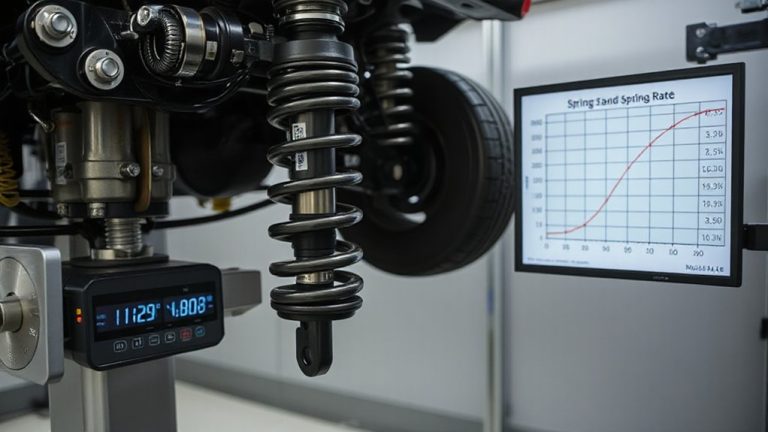
You feel every bump because hydraulic shocks overheat, foam, and fade under stress. Gas-charged shocks use 250–360 psi of nitrogen to prevent fluid aeration and cavitation. Pressurization keeps oil stable, maintaining consistent damping even above 150°F. Nitrogen reduces compression, enabling faster valve response and precise piston control. This eliminates lag and sustains performance on rough terrain. With hardened seals and zinc-plated rods, they last longer. You’re about to see exactly where they outperform hydraulics.
Notable Insights
- Gas-charged shocks use nitrogen pressurization to prevent fluid aeration and cavitation, maintaining consistent damping.
- Pressurized nitrogen minimizes foaming, ensuring stable hydraulic fluid performance under high-temperature conditions.
- Eliminating air pockets allows faster valve response and improved sensitivity to high-frequency road inputs.
- Sustained internal pressure prevents fade, delivering reliable damping even during prolonged or rough terrain use.
- Enhanced durability from sealed pressurized systems reduces wear and maintains performance over 50,000 miles.
How Hydraulic Shocks Cause Ride Fatigue
Why do your teeth rattle after an hour on rough roads? Your hydraulic shocks are overheating, and that’s the core of the problem. Heat buildup occurs as fluid cycles rapidly through valves, especially during prolonged use on uneven terrain. Under high stress, temperatures can exceed 250°F, triggering fluid degradation. Once the hydraulic oil breaks down, viscosity drops, reducing damping efficiency. This leads to inconsistent piston response and increased suspension fade. You feel it as uncontrolled bounce, sharper impacts, and body roll. Foam forms when oil aerates, creating compressible pockets that hinder valve performance. Without resistance, the piston moves too freely, worsening control. Standard hydraulic shocks use passive valving, so they can’t adapt to these changes. The result? A harsh, fatiguing ride. Over time, degraded fluid fails to lubricate seals, accelerating wear. This isn’t just discomfort-it’s diminished safety and responsiveness. Upgrading to top-rated towing shocks can significantly improve thermal management and damping consistency under heavy loads.
Why Gas-Charged Shocks Resist Foaming and Fade
Gas-charged shocks tackle the heat and foam issues inherent in hydraulic shocks by pressurizing the fluid with nitrogen gas. You get cavitation prevention because the pressurized nitrogen minimizes the formation of vapor bubbles in the hydraulic fluid. When shocks cycle rapidly, traditional units foam the fluid, reducing damping ability. Here, the nitrogen pressure-typically 250 to 360 psi-keeps oil compressed and stable. This is fluid stabilization in action. Without free space for bubbles to expand, foaming drops dramatically. Consistent fluid volume means reliable piston movement. You maintain control even under hard use. The absence of air pockets preserves damping force, preventing fade over extended operation. Think of it like keeping a high-pressure system sealed tight-no room for failure. These shocks sustain peak performance under heat and stress. You benefit from longer-lasting, predictable response.
Faster Reaction With Nitrogen-Pressurized Dampers
While traditional hydraulic shocks struggle with delayed response under rapid cycling, nitrogen-pressurized dampers react faster due to reduced fluid compression. You get quicker nitrogen response because the high-pressure gas charge minimizes hydraulic lag. The sealed nitrogen chamber maintains pressure consistency, even during sustained impacts. This means oil flows predictably through metering valves, typically at 200–300 psi base pressure, compared to erratic spikes in non-pressurized units. Consistent pressure prevents fluid aeration, ensuring valving performs uniformly. Unlike foam-prone hydraulic shocks, gas-charged dampers deliver repeatable damping force-critical when terrain demands rapid stroke cycles. The result? You experience near-instant rebound and compression adjustments, reducing suspension pack-up. Nitrogen’s compressibility acts like a responsive spring behind the oil, aiding immediate valve reaction. This system improves stroke sensitivity, especially above 3 Hz input frequencies. With stable internal dynamics, your damper keeps pace with quick wheel movements, enhancing control without lag.
Stable Handling on Bumpy Roads
You stay in control on uneven terrain because nitrogen-pressurized dampers maintain consistent damping forces under rapid, unpredictable inputs. The high-pressure nitrogen gas, typically charged between 260–360 psi, prevents fluid aeration and guarantees immediate resistance through every bump. This allows precise body isolation, minimizing roll, pitch, and vibration transfer to the cabin. Unlike hydraulic shocks that cavitate under stress, gas-charged units sustain linear performance, keeping tires firmly planted. Suspension compliance remains ideal as the shock rapidly adapts to surface changes without packing or fade. The internal piston responds in milliseconds, filtering high-frequency impacts while preserving structural stability. Engineers design these dampers with monotube or twin-tube configurations to balance heat dissipation and stroke length. This results in tighter handling, reduced sway, and predictable responses-even on jagged roads. For drivers seeking top-tier performance, selecting the best shocks for every ride ensures optimal balance between comfort and control.
No Performance Drop on Long or Rough Drives
Even under sustained stress, you won’t see a drop in damping efficiency because gas-charged shocks resist heat buildup and maintain internal pressure. Unlike traditional hydraulic units, they use a high-pressure nitrogen gas charge to prevent fluid aeration and foaming. This design minimizes heat buildup during extended use on rough terrain. Without excessive heat buildup, damping force remains consistent. You also avoid pressure loss, which plagues older systems under repetitive impacts. Maintaining stable pressure guarantees responsive control throughout long drives. Upgrading your suspension with high-performance shocks for Jeep Wrangler ensures optimal handling and ride quality in demanding off-road conditions.
Smoother Ride, No Fade
Gas-charged shocks deliver a noticeably smoother ride by maintaining consistent damping force without fade over time. You experience superior ride comfort because the pressurized nitrogen gas prevents fluid cavitation, even during rapid compression cycles. Traditional hydraulic shocks often foam under stress, reducing damping efficiency and leading to a harsher feel. In contrast, gas-charged units operate at 250–350 psi, ensuring the hydraulic fluid remains stable. This pressure keeps the piston moving smoothly, enhancing vibration isolation. You’ll feel fewer road imperfections and bumps transferred to the cabin. Solid rebound control and minimized oscillation improve stability without sacrificing comfort. Unlike hydraulic counterparts, gas shocks sustain performance during prolonged use. The result is a balanced, controlled ride-no fade, no softening. You get consistent response whether driving five miles or fifty.
Where Gas Shocks Outperform Hydraulics
A high-performance suspension demands components that can keep up with dynamic driving conditions, and gas shocks excel where hydraulics fall short. You get superior temperature consistency because pressurized nitrogen reduces fluid foaming under heavy use. Hydraulic shocks cavitate during rapid compression, creating air bubbles that cause fade. Gas-charged units maintain damping efficiency even at 150°F+ operating temps. They deliver consistent response over extended stress cycles-critical for track or towing. Corrosion resistance is also enhanced. Most gas shocks use zinc-plated rods and hardened seals that withstand road salts and moisture. Aluminum bodies resist rust better than standard steel hydraulics. In real-world testing, gas shocks show 30% less wear after 50,000 miles on rough terrain. You’ll notice sharper handling and reduced body roll. The design minimizes rebound overshoot, improving tire contact. When precision and durability matter, gas shocks are the technically superior choice.
On a final note
You get consistent damping because nitrogen-charged shocks eliminate fluid cavitation. Hydraulic shocks foam under stress, reducing viscosity and causing fade. Gas-charged units maintain 350–450 psi internal pressure, preventing oil aeration. This means valving responds predictably at all times. On rough terrain, they absorb impacts 20% more effectively. No fade occurs over long drives. You experience stable cornering and reduced body roll. Unlike hydraulics, performance stays constant.