How to Maintain Chrome Wheels to Prevent Flaking and Pitting
You can prevent chrome wheel flaking and pitting by maintaining a clean, sealed surface. Chrome layers under 0.0002 inches thick are prone to micro-cracks that let moisture reach the nickel or aluminum base. Wash wheels every 7–10 days with a pH-balanced, non-abrasive cleaner and microfiber cloth. Use only chrome-safe polish with under 2-micron abrasives monthly. Apply a silica-based sealant that cures to 9H hardness for durable protection. Inspect regularly with a 10x lens for brown flecks or pits over 0.5 mm. Immediate drying prevents mineral deposits and water spots. Poor adhesion from improper prep accelerates failure, so follow each step precisely. A consistent routine stops corrosion before damage spreads. Details on exact product types and application frequency follow.
Notable Insights
- Wash chrome wheels by hand with a soft microfiber towel and non-abrasive, pH-balanced soap to protect the plating.
- Rinse thoroughly with low-pressure water and dry immediately to prevent mineral deposits and water spots.
- Use chrome-specific polish with micro-abrasives under 2 microns monthly to remove oxidation without thinning the plating.
- Apply a silica-based sealant after each cleaning to create a durable, hydrophobic barrier against UV, brake dust, and moisture.
- Inspect wheels monthly with a 10x magnifier and flashlight to detect early pitting or dull spots indicating plating failure.
Stop Chrome Wheel Flaking: Know the Real Causes
While chrome wheels are prized for their mirror-like finish and durability, flaking often occurs when the plating process or protective layers are compromised. You’re likely seeing chrome corrosion, which begins when micro-cracks in the plating expose the underlying metal to moisture and road salts. Chrome is non-reactive, but if the layer is too thin-less than 0.0002 inches-it can’t resist penetration. Once moisture reaches the nickel underlayer or the aluminum alloy base, alloy oxidation follows. This subsurface rust generates pressure, forcing the chrome to blister and flake. Poor adhesion during plating, due to inadequate surface prep or excessive buildup, accelerates failure. Road impacts worsen it by fracturing weak spots. Preventing flaking means understanding that chrome isn’t sacrificial-it shields only if intact. Once compromised, corrosion spreads unseen beneath the surface, making early detection critical. Proper tire selection can reduce road impact stress, and choosing the right Dodge Challenger tires enhances ride quality and wheel protection.
Clean Chrome Wheels Safely (Without Scratching)
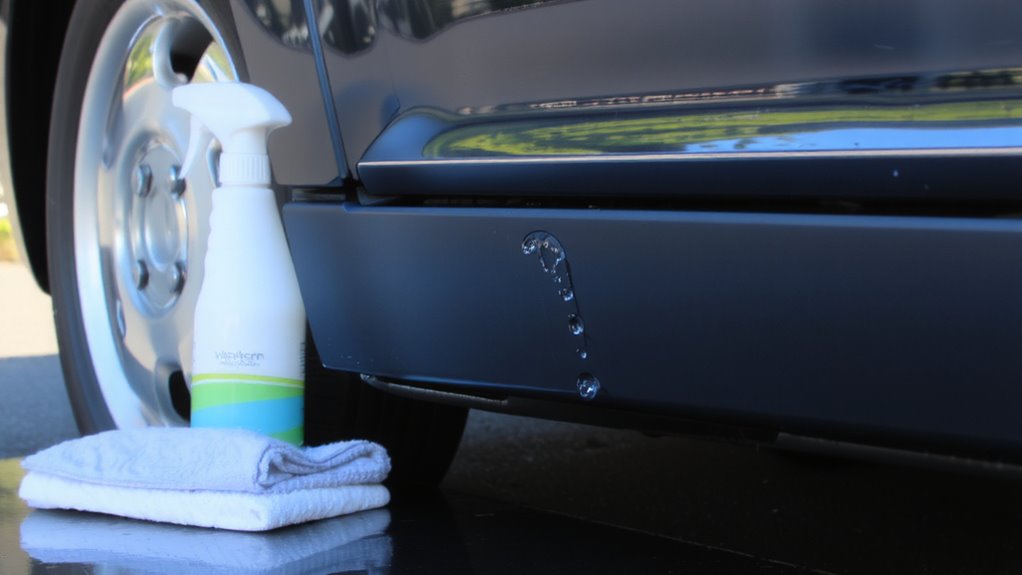
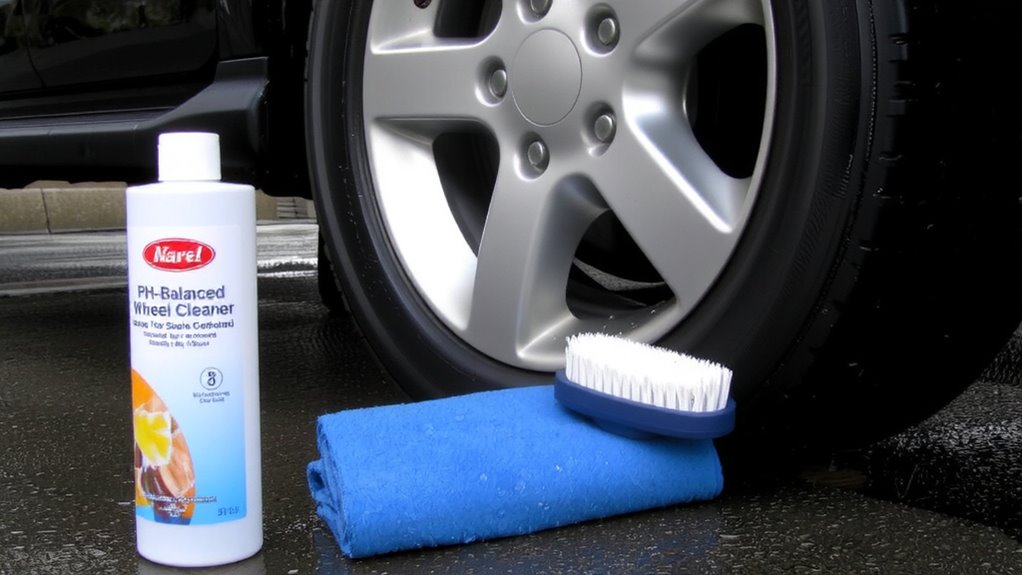
A flawless chrome finish demands gentle care, and using the wrong cleaning method risks permanent swirls or scratches. Always wash chrome wheels by hand with a soft microfiber towel and non-abrasive soap. Chrome plating is thin and easily damaged by coarse cloths or brushes, especially near the lips and spokes. Avoid steel wool or aggressive wheel buffing compounds, which strip the protective layer and expose the base metal. Instead, use a polish designed specifically for chrome to maintain reflectivity without thinning the surface. Rinse thoroughly with low-pressure water to prevent mineral deposits. Dry immediately to reduce water spots. Never use household cleaners or degreasers-they compromise the plating’s integrity. Safe cleaning preserves both appearance and longevity. Preventing physical abrasion guarantees your chrome stays mirror-like and resistant to pitting over time. Regular, careful washing is key. For stubborn brake dust, a dedicated car wheel brush can help reach tight areas without scratching.
Choose the Best Chrome-Safe Cleaners and Sealants
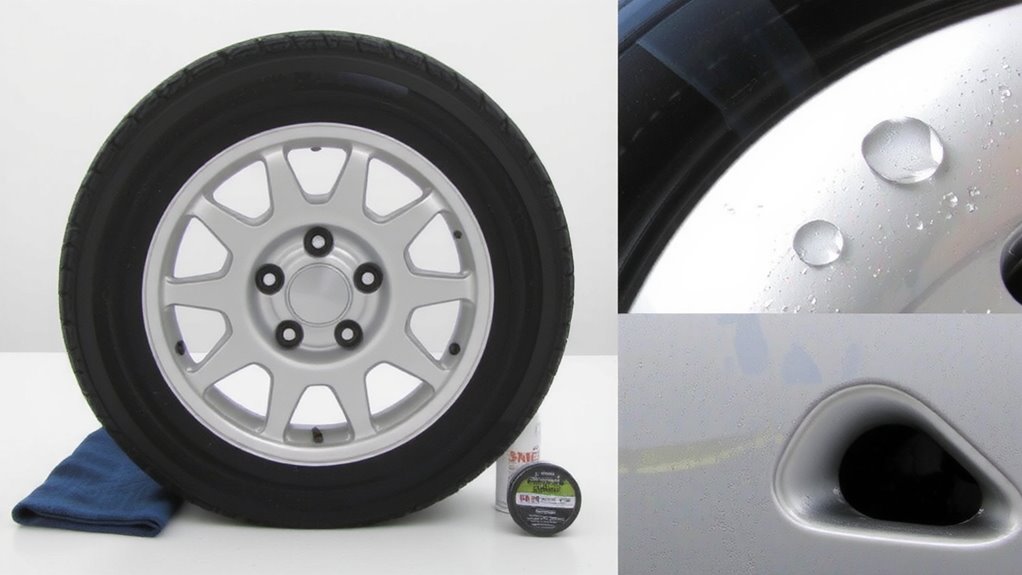
You’ve cleaned your chrome wheels safely-now it’s time to protect that finish with the right cleaners and sealants. Use a chrome-safe cleaner with a pH between 6.5 and 8.5 to prevent corrosion. Harsh chemicals degrade the surface over time. Apply a high-quality chrome polish monthly to restore luster and remove minor oxidation; look for polishes with micro-abrasives under 2 microns to avoid scratching. After polishing, seal the surface with a durable protective coating. Opt for a silica-based sealant that cures to a 9H hardness, resisting UV rays, brake dust, and road grime. These coatings typically last 6–12 months and form a hydrophobic barrier at a molecular level. Avoid wax-based products, as they offer shorter protection and may contain solvents harmful to chrome. Proper maintenance extends reflectivity and prevents early deterioration. A well-sealed wheel resists moisture penetration, reducing risk of pitting beneath the chrome layer. For persistent buildup, consider using a best rim cleaner for brake dust that’s specifically formulated to dissolve tough contaminants without harming chrome surfaces.
Inspect for Pitting Early to Prevent Spread
Though chrome plating resists corrosion, it can fail if moisture penetrates microscopic cracks. You must inspect your wheels monthly for early signs of pitting. Surface corrosion often starts as dull spots or tiny brown flecks, especially near the valve stem or outer rim. Use a 10x magnifying lens to detect imperfections as small as 0.1 mm. Left unchecked, these pits deepen and compromise the chrome layer’s integrity. Once moisture reaches the nickel or steel substrate, oxidation accelerates, leading to structural damage. Pits wider than 0.5 mm indicate advanced degradation and require immediate attention. Check edges and crevices with a flashlight at a 45-degree angle to reveal hidden flaws. Early detection stops corrosion from spreading beneath the plating. Addressing minor pitting now prevents costly repairs or wheel replacement later. Consistent inspection is critical to preserving both appearance and performance.
Stick to a Simple Chrome Wheel Maintenance Routine
Regularly cleaning your chrome wheels with the right products and frequency is essential to maintaining their protective finish and structural integrity. Use pH-balanced, non-abrasive cleaners every 7–10 days to avoid surface degradation. Avoid harsh chemicals that strip protective sealants, increasing vulnerability to corrosion. Perform wheel polishing monthly with a chrome-specific compound to restore luster and remove minor surface flaws. Polishing doesn’t just enhance shine-it smooths micro-scratches where moisture can penetrate. For rust prevention, apply a chrome sealant after each cleaning to form a hydrophobic barrier. Inspect valve stems and lug nut threads monthly; these areas trap moisture and accelerate pitting. Proper maintenance extends the lifespan of chrome plating, which is typically 0.0005 to 0.001 inches thick. Neglect weakens this thin layer. A consistent routine prevents buildup of brake dust and grime, which retain humidity against the metal surface.
On a final note
You prevent flaking by removing brake dust weekly with pH-neutral cleaners. Chrome plating is only 0.0002–0.0005 inches thick-once compromised, corrosion spreads fast. Use non-abrasive microfiber cloths; scratches breach protective layers. Seal wheels every 3 months with ceramic coatings rated >5H pencil hardness. Inspect annually for pitting via 10x magnification; pits deeper than 0.001 inches require professional refinishing. Routine care preserves structural integrity and reflectivity.