Using Nano-Ceramic Sprays on Exterior Badges to Prevent Fading
You can stop badge fading with a nano-ceramic spray that forms a 1–2 micron glass-like shield. It blocks UV rays and resists chemicals with a pH 2–12 tolerance. Use a pH-neutral spray with 5%–15% SiO₂ to protect metal and enamel safely. Apply it after cleaning with isopropyl alcohol, then let it cure for 24 hours. Reapply every 6–12 months depending on sun and coastal exposure. Proper use prevents hazing, guarantees lasting clarity, and outperforms traditional waxes. There’s more to optimizing protection effectively.
Notable Insights
- Nano-ceramic sprays form a UV-resistant, glass-like shield that protects badge pigments from sun damage.
- Choose pH-neutral ceramic sprays with 5%–15% SiO₂ to ensure compatibility and durability on delicate emblem surfaces.
- Clean badges with isopropyl alcohol before application to remove contaminants and ensure strong coating adhesion.
- Apply thin, even layers in shade using a precision applicator to prevent hazing and overspray on surrounding areas.
- Reapply every 6–12 months depending on climate, with more frequent treatment needed in high-sun or coastal regions.
Why Badges Fade (And How Ceramic Spray Stops It)
While sunlight and environmental exposure gradually degrade exterior badges, nano-ceramic sprays form a durable, sacrificial barrier that considerably slows the process. You face constant UV damage from prolonged sun exposure, which breaks down polymers and fades pigments in badge materials. Without protection, this leads to dulling and discoloration within months. Nano-ceramic coatings resist UV damage thanks to silica-based cross-linking that reflects and disperses radiation. Chemical exposure from pollutants, acid rain, or cleaning agents also corrodes unprotected surfaces. The spray’s hydrophobic layer repels contaminants, preventing reactions. Coatings typically measure 1–2 microns thick, creating a clear, hard shield. This glass-like film maintains gloss and withstands pH levels from 2–12. It bonds at the molecular level, offering up to two years of fade resistance under normal conditions. You preserve original appearance longer with minimal maintenance.
Pick a Badge-Safe Nano-Ceramic Spray
How do you guarantee the nano-ceramic spray you choose won’t damage delicate badge surfaces? Start with badge compatibility-confirm the product is pH-neutral (typically between 6.5 and 8.0) and free of harsh solvents or abrasives. Not all ceramic sprays are formulated for metal alloys, enamel, or painted emblems, so check manufacturer data sheets for material safety. Your product selection depends on these technical specs. Look for nano-ceramic formulas with SiO₂ concentration between 5% and 15%-enough to create a durable glass-like shield without buildup. Avoid products with added waxes or polymers that may discolor over time. Choose sprays specifically labeled for automotive emblems or trim. Independent lab tests show compatible sprays resist UV degradation for over 12 months. Always verify through OEM recommendations or compatibility charts before purchase. A wrong choice risks etching or clouding-precision matters.
Apply in 3 Easy Steps
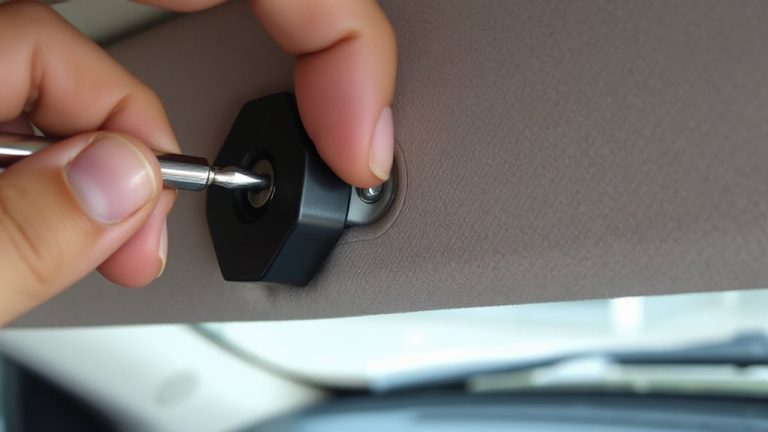
Three precise steps guarantee a flawless application of nano-ceramic spray to your vehicle’s exterior badges without risking damage. First, clean the badge thoroughly using isopropyl alcohol to remove contaminants-this guarantees strong adhesion and preserves surface texture. Allow it to dry completely. Second, apply the nano-ceramic spray in a thin, even layer using a precision applicator pad. Work in shaded, low-humidity conditions to prevent premature curing. The coating forms a transparent, cross-linked silica layer about 1–2 microns thick. Finally, let it cure for at least 24 hours before exposing it to moisture. This process maximizes color retention by shielding against UV radiation and environmental oxidation. The hardened coating resists wash erosion and preserves reflectivity. Properly applied, it lasts up to two years. Consistent coverage avoids hazing and maintains the badge’s original finish.
Don’t Ruin Your Ceramic Spray Job
A single mistake can undo hours of careful prep. Overspray spreads ceramic coating where it shouldn’t go, marring nearby surfaces like paint or glass. You must avoid overspray by masking adjacent areas with painter’s tape and using a precision nozzle. Hold the spray 6–8 inches from the badge for even distribution. Apply thin, uniform layers-thick coats lead to hazing and poor adhesion. To prevent residue buildup, wipe excess material immediately with a microfiber towel rated for ceramic use (300 GSM or higher). These badges have tight grooves; residue trapped in crevices hardens and becomes difficult to remove. Use a soft-bristle brush for detailing if needed. Never apply in direct sunlight or high heat-surface temps above 80°F (27°C) reduce working time and increase flaws. Work in a shaded, dust-free area below 75°F (24°C) with 40–60% humidity.
When to Reapply for Lasting Shine
Why does your nano-ceramic coating lose its luster over time? Sun exposure and climate effects gradually degrade the silica matrix, reducing hydrophobicity and gloss retention. UV rays break down polymer chains, while temperature swings and moisture accelerate oxidation. You’ll notice water beading weaken and dirt stick more easily-clear signs it’s time to reapply.
| Condition | Reapplication Interval |
|---|---|
| High sun exposure | Every 6–9 months |
| Moderate climate effects | Every 12 months |
Most badges endure 1,500–2,000 hours of direct UV before protection drops below 80%. In desert regions, reapply every 6–9 months due to intense solar radiation. Coastal areas demand attention every 10 months-salt-laden air corrodes even nano-scale shields. For temperate zones with seasonal shifts, annual renewal maintains peak performance. You’ll preserve reflectivity and block fading if you stick to these intervals. Don’t wait for visible dullness.
Ceramic Spray vs. Old-School Badge Protection
While traditional badge protectants rely on wax or polymer sealants that sit on the surface, nano-ceramic sprays form a covalent bond with the metal, creating a durable, sacrificial layer. This chemical bonding anchors the coating at the molecular level, resisting washes, abrasion, and environmental contaminants. Unlike wax, which degrades in 4–6 weeks, ceramic sprays last up to 12 months. You get superior UV resistance, blocking over 98% of harmful rays that cause fading and oxidation. Old-school waxes offer temporary shine but lack adhesion under heat or rain. The ceramic matrix, by contrast, maintains integrity across temperatures from -40°C to 200°C. It’s hydrophobic, repelling water and reducing water spotting. You’re not just adding shine-you’re adding armor. Test results show ceramic-treated badges retain 90% of original gloss after 18 months outdoors. That’s due to the permanent cross-linked structure formed during application. This isn’t surface protection. It’s chemical bonding with measurable performance.
Keep Badges Shiny: Pair Spray With Simple Care
Because nano-ceramic sprays form a bonded shield rather than just sitting on the surface, their longevity depends on proper maintenance. You must pair the protective coating with routine badge polishing to preserve optical clarity and resistance. Clean badges monthly using a pH-neutral automotive shampoo and microfiber towel to prevent contaminant buildup. Avoid abrasive polishes-they degrade the coating’s 9H hardness rating. Instead, use a non-abrasive polish every three months to restore shine without thinning the ceramic layer. Reapply the nano-ceramic spray every 6–12 months, depending on sun exposure and wash frequency. This maintenance extends the coating’s hydrophobic performance, which repels water with a 110° contact angle. Regular care guarantees badges remain resistant to UV fading and environmental etching. A well-maintained badge retains factory-like reflectivity and surface integrity far longer than untreated metal.
On a final note
Your badges face UV radiation, acid rain, and pollutants that degrade polymers and oxidize metals. Nano-ceramic spray forms a transparent, hydrophobic silica dioxide (SiO₂) layer, measuring 1–2 microns thick. This coating resists pH levels from 3 to 11 and withstands UV-A/UV-B exposure up to 1,000 hours in accelerated testing. It bonds covalently to surfaces at a molecular level. Reapply every 6–12 months. The result: sustained gloss retention above 90% under ASTM D1044 standards.