Preparing Vinyl-Wrapped Surfaces for Ceramic Coating Application
Yes, you can apply ceramic coating to vinyl wraps with proper prep. Start by washing the surface with a pH-neutral soap diluted 10:1 and a microfiber mitt to avoid damage. Rinse with deionized water and dry thoroughly. Wipe down the surface with 70% isopropyl alcohol using firm, overlapping strokes and let it flash dry. Confirm your wrap is cast vinyl, ideally 2.0–2.5 mils thick, for better adhesion and durability. Avoid calendered vinyl, which is denser and less compatible. Two passes maximum with IPA prevent static. Never apply in direct sunlight or high humidity. Use light pressure-about 300 grams per square inch-and work in 2×2 foot sections. Allow 30–60 seconds of flash time before buffing with a clean microfiber cloth. Proper decontamination with a 60/40 water-IPA mix guarantees no oils or residues compromise bonding. Compatibility with the vinyl’s chemical resistance is critical-check manufacturer technical data sheets. A 1–2 micron silica-based coating can increase surface hardness to 9H and reduce surface energy, improving contamination resistance. Incorrect prep leads to hazing, peeling, or delamination. You’ll find precise material specifications and step-by-step application timing worth reviewing.
Notable Insights
- Clean vinyl with pH-neutral soap and a microfiber mitt to preserve plasticizers and remove surface contaminants.
- Use a dedicated vinyl prep cleanser to eliminate adhesive residues and oily films before coating application.
- Decontaminate the surface with 70% isopropyl alcohol using lint-free cloths and allow 2–3 minutes flash drying time.
- Identify vinyl type-preferably cast vinyl-as calendered vinyl poses higher delamination and shrinkage risks.
- Apply coating in 2×2 foot sections with light, consistent pressure, avoiding direct sun and high humidity.
Can You Ceramic Coat a Vinyl Wrap?
You can ceramic coat a vinyl wrap, and doing so provides measurable benefits in protection and maintenance. The coating forms a transparent, silica-based layer that resists UV degradation and chemical etching. It typically measures 1–2 microns thick, adding negligible weight while increasing surface hardness to 9H on the pencil hardness scale. This helps prevent heat damage caused by engine bays, brake components, or prolonged sun exposure, which can soften vinyl above 180°F. The coating doesn’t interfere with the wrap’s flexibility but does reduce surface energy, making contaminants less likely to bond. Significantly, proper application avoids trapping solvents that could lead to adhesive failure over time. Manufacturers like XPEL and 3M confirm compatibility with most polyester-based ceramic coatings. Always verify chemical compatibility to maintain warranty integrity. The result is a durable, hydrophobic finish that extends wrap lifespan by shielding against environmental and thermal stressors without compromising adhesion.
Clean Vinyl to Remove Wax and Oils
A thorough cleaning is essential before applying ceramic coating to vinyl surfaces, as any residual wax, oil, or contamination compromises adhesion and longevity. You must eliminate surface contamination to guarantee proper bonding. Start by washing the vinyl with a pH-neutral car wash soap diluted at 10:1 (water to soap ratio) using a microfiber wash mitt. This removes dirt and grime without stripping vinyl plasticizers. Pay close attention to areas prone to adhesive residue, like edges or seams from previous graphics or protective films. Use a dedicated prep cleanser formulated for vinyl to break down oily residues that soap alone won’t remove. Rinse thoroughly with deionized water to prevent mineral spotting. Dry the surface completely with a clean, plush microfiber towel, applying light pressure to avoid dragging contaminants. This foundational step guarantees the coating bonds directly to the vinyl, not a layer of unseen pollutants. For optimal results, consider using a ceramic coating system designed specifically for sensitive surfaces like vinyl wraps.
Wipe Down With Isopropyl Alcohol
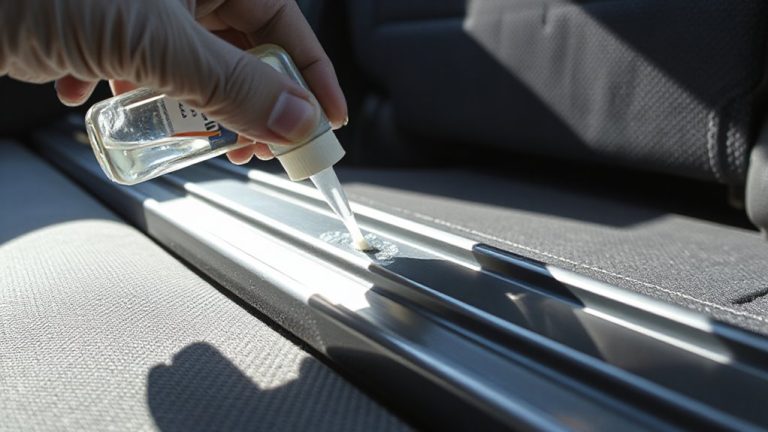
Isopropyl alcohol (IPA) at a concentration of 70% is the standard for final surface decontamination before ceramic coating application. You must wipe down the vinyl thoroughly to remove residual oils and moisture. Proper surface drying is essential-apply IPA with a clean microfiber towel using firm, overlapping strokes. Let the surface flash dry for 2–3 minutes; this guarantees no solvent pooling and prepares for precise application timing. Applying ceramic coating too soon after wiping risks lifting the vinyl; waiting guarantees adhesion. Never exceed two passes to avoid static buildup.
| Step | Action | Purpose |
|---|---|---|
| 1 | Apply 70% IPA evenly | Removes invisible residues |
| 2 | Wipe with lint-free cloth | Prevents debris retention |
| 3 | Allow full surface drying | Guarantees coating bond |
| 4 | Begin coating within 10 min | Optimizes application timing |
Check Your Vinyl Type First
Material compatibility starts with knowing your vinyl’s composition-most wraps fall into either cast or calendered categories, each reacting differently to ceramic coatings. Cast vinyl is dimensionally stable, with a typical vinyl thickness of 2.0 to 2.5 mils, and handles heat and contours better. It offers superior material compatibility with ceramic coatings due to its porous structure, allowing slight adhesion without lifting. Calendered vinyl, thinner at 1.5 to 2.0 mils, is less flexible and more prone to shrinkage. Its dense surface resists coating penetration, increasing delamination risk. You must verify manufacturer specifications before proceeding. Not all films tolerate solvent-based or reactive coatings. Applying ceramic coatings to incompatible types causes hazing, peeling, or adhesive failure. Always consult technical data sheets for chemical resistance and coating suitability. Matching your product choice to vinyl type guarantees longevity and protects your investment.
Skip These Coating Application Mistakes
Why do some ceramic coatings fail on vinyl even when the product is compatible? Surface contamination is often the culprit. Any residue-oils, dust, or cleaning agents-prevents proper adhesion, leading to peeling or hazing. You must decontaminate with an IPA wipe (60/40 water-isopropyl mix) and allow full drying. Applying under humid conditions or direct sun worsens failure risks. Application pressure matters more than you think. Too much pressure stretches the vinyl, causing the coating to pool or slide unevenly. Use light, consistent pressure-about 300 grams per square inch-with a microfiber applicator. Work panel by panel in 2×2 foot sections. Let each section flash for 30–60 seconds before buffing. Exceeding recommended thickness (typically 1–2 microns) invites cracking. Follow manufacturer specs exactly. Avoid reuse of applicators to prevent trapped debris. Clean edges thoroughly to stop buildup.
On a final note
You can ceramic coat vinyl wraps, but only if they’re high-quality cast vinyl designed for long-term use. Avoid cheaper calendared vinyl-it can’t handle the coating process. Always clean the surface thoroughly to remove wax, oils, or residues. Use 70% isopropyl alcohol for final degreasing. Guarantee the product you apply is specifically rated for use on vinyl. Most ceramic coatings last 1–3 years, adding UV protection and hydrophobic performance without damaging the wrap when properly applied.