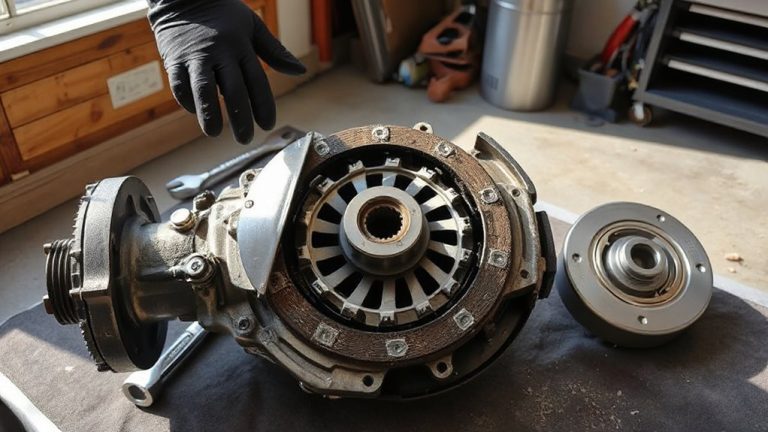
Shift to Neutral at Stops: Cut Torque Converter Heat 10-20°F
You can reduce torque converter strain by shifting to Neutral at stops. When in Drive, the impeller spins against a stationary turbine, generating heat up to 250°F. Shifting to Neutral halts power flow, cutting fluid turbulence and dropping temps 10–20°F. It eases clutch load and improves cooling efficiency. This practice is safe for stops over 30 seconds and doesn’t harm modern transmissions. There’s more to learn about optimizing transmission longevity under real-world conditions.
Notable Insights
- Shifting to Neutral at stops reduces torque converter strain by halting power flow from the engine.
- Neutral allows transmission fluid to circulate with less turbulence, aiding cooling and lowering temperatures.
- Use Neutral during stops over 30 seconds to decrease heat buildup and extend transmission life.
- Avoid shifting to Neutral while moving, as it disrupts lubrication and can damage clutches.
- Auto stop-start systems do not relieve torque converter load like a manual shift to Neutral.
Why the Torque Converter Overheats in Drive
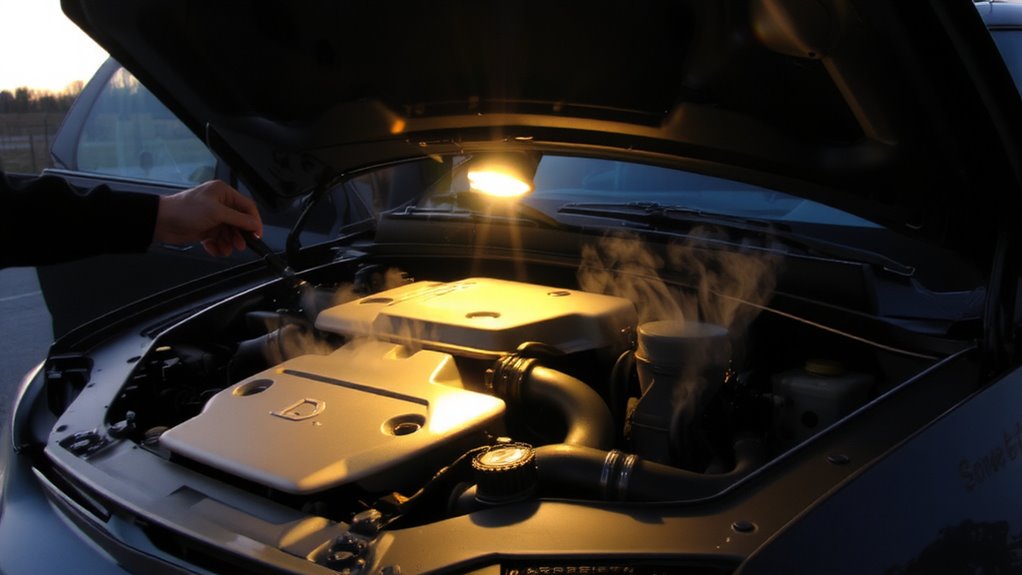
When you’re stopped with the transmission in Drive, the torque converter continues to receive power from the engine, even though the wheels aren’t moving. This causes the impeller to spin rapidly, circulating transmission fluid against a stationary turbine. The resulting fluid friction generates significant heat buildup. Under normal driving, this heat dissipates through the cooler. But at prolonged stops, cooling is inefficient. Temperatures can exceed 250°F-above the ideal 175–225°F range. Sustained heat degrades fluid viscosity and accelerates wear on seals and clutches. Fluid friction isn’t inherently harmful; it’s essential for torque multiplication. However, without motion to aid heat dissipation, thermal stress accumulates. Over time, this accelerates oxidation and reduces the fluid’s lubricating capacity. The torque converter wasn’t designed to manage peak heat in stationary conditions. Continuous strain leads to premature failure. Managing this heat is critical. That’s why reducing load on the converter when stopped is a proven protective measure.
How Shifting to Neutral Cools the Transmission
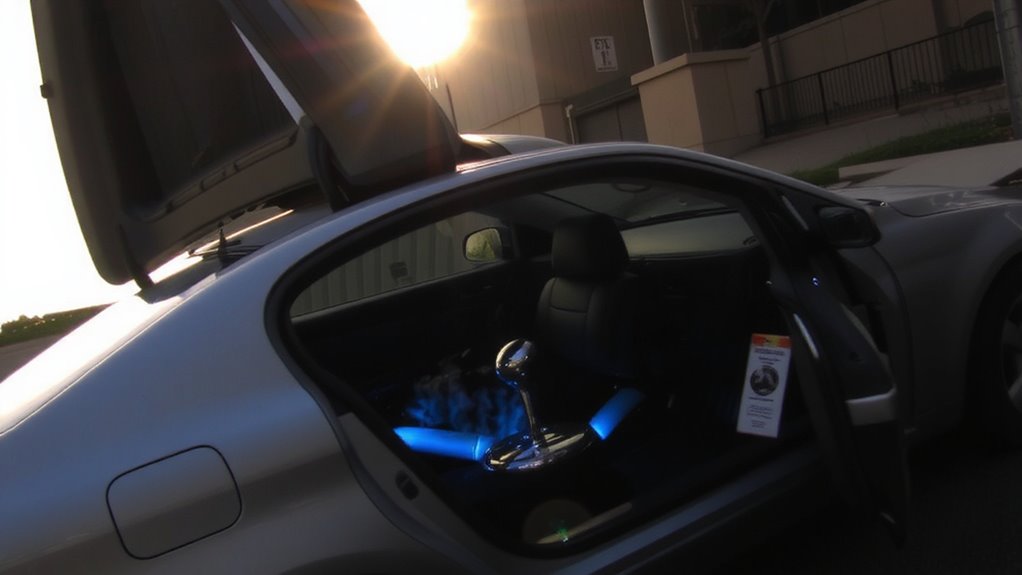
Although the engine keeps running, shifting into Neutral breaks the power flow between the engine and transmission, giving the torque converter a chance to cool. With no load, fluid dynamics inside the transmission stabilize, reducing turbulence and internal friction. This allows transmission fluid to circulate more efficiently through the cooler lines, improving heat dissipation. The torque converter’s internal clutches disengage, minimizing energy loss as heat. Typical operating temps drop 10–20°F within minutes, depending on ambient conditions and cooling system capacity. A standard automatic transmission cooler moves about 3–5 gallons of fluid per minute; in Neutral, flow becomes more consistent, enhancing thermal regulation. Reduced slippage means less kinetic energy converted into heat. Think of it like idling a sprinter between dashes-less strain, better recovery. This brief thermal relief helps maintain fluid viscosity and prevents premature breakdown, preserving clutch materials and seal integrity over time.
When You Should Shift to Neutral (And When Not To)
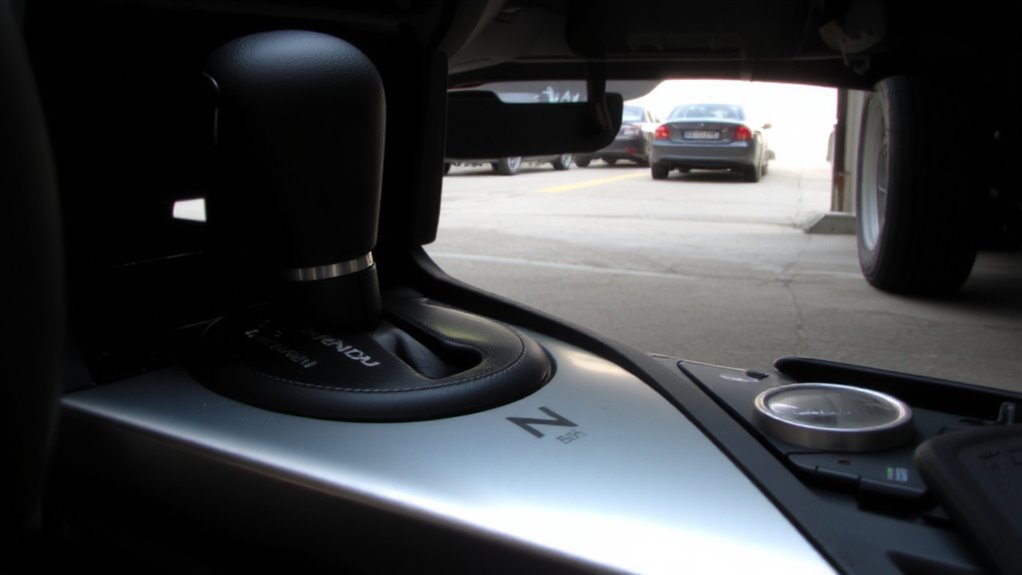
Why might you shift into Neutral-and why shouldn’t you do it all the time? You should shift to Neutral when stopped for more than 10 seconds, like at long traffic signals. This reduces torque converter load, lowering transmission temperature by up to 20°F. It also decreases engine load, slightly improving fuel efficiency-though modern engines with stop-start tech limit gains. Keeping the car in Drive with your foot on the brake increases brake wear over time due to constant pressure on the friction material. However, don’t shift to Neutral repeatedly during short stops. Frequent gear changes strain transmission solenoids and offer no measurable fuel efficiency benefit. Avoid Neutral while moving-it disengages hydraulic pressure, risking poor response and loss of engine braking. Use Neutral only when stationary and predictable.
Does Auto Stop-Start Replace Shifting to Neutral?
Could auto stop-start technology make shifting to neutral obsolete? Auto stop systems shut off the engine at idle to save fuel and reduce emissions, but they don’t eliminate torque converter strain. While the engine stops, the transmission remains in drive, maintaining hydraulic pressure and load on the converter. A neutral shift, however, fully disengages engine torque from the drivetrain, reducing heat and wear. Auto stop lasts seconds and cycles frequently, whereas a manual neutral shift offers sustained relief during long stops. Most auto stop systems default to drive, so the torque converter stays engaged. For sustained idling-like in traffic or at railroad crossings-a deliberate neutral shift still provides superior protection. Auto stop improves efficiency but doesn’t replicate the mechanical benefits of a neutral shift. You retain control over drivetrain stress with a simple lever motion.
You Won’t Damage Your Transmission Shifting to Neutral
Ever worry that shifting into neutral while stopped might harm your transmission? You shouldn’t. Modern automatic transmissions are built to handle frequent shifts without causing transmission wear or gear slippage. The hydraulic system disengages gears cleanly, preventing damage during stops. Shifting to neutral doesn’t stress internal components-it reduces load on the torque converter.
| Condition | Transmission Wear | Gear Slippage Risk |
|---|---|---|
| Park (P) | Low | None |
| Drive (D) | Moderate | Low |
| Neutral (N) | Very Low | None |
| Frequent Shifting | Minimal | Negligible |
Internal sensors and solenoids guarantee precise engagement. Engineers design these systems for repeated use. You’re not overriding safety features. In fact, removing torque load can extend transmission life. Shifting to neutral at stops is mechanically sound and operationally safe.
How to Safely Shift to Neutral at Red Lights
Shifting to neutral at red lights is a simple practice that protects your transmission without compromising control. When engine idling in drive, the torque converter remains under load, generating heat and accelerating wear. By shifting to neutral, you reduce this strain while maintaining full brake usage to keep the vehicle stationary. Keep your foot firmly on the brake pedal-this guarantees the transmission stays disengaged and the vehicle remains stable. Most modern automatics respond within 150 milliseconds when returning to drive, allowing quick reaction when the light turns green. Only shift to neutral during stops lasting over 30 seconds to balance efficiency and convenience. Avoid rolling into neutral while moving; this can disrupt lubrication flow and damage clutches. Use this technique consistently to extend transmission life with minimal effort.
On a final note
You reduce heat buildup by shifting to neutral at stops. The torque converter disengages, lowering fluid temperature by up to 20°F. This improves transmission longevity, especially in stop-and-go traffic. Modern automatics handle frequent shifts without wear. Auto stop-start systems don’t eliminate this benefit-they only shut off the engine. Shifting to neutral remains effective. Use it wisely: only when stationary and in safe conditions.