Spotting Illegally Modified Exhaust Systems Signaling Reckless Operators
Your exhaust shouldn’t exceed 95 dB at idle or 110 dB under load-federal EPA rules under 40 CFR Part 202 set strict decibel limits, typically 80–86 dB at 50 feet depending on model year. Modified systems often bypass mufflers or catalytic converters, producing illegal noise and increasing engine strain. Blue exhaust residue or a droning 70–200 Hz sound indicates tampering. Such vehicles frequently show aggressive driving patterns. Recognizing these signs helps identify high-risk operators on the road.
Notable Insights
- Blue or dark purple exhaust residue indicates overheated gases from deleted catalytic converters or aggressive tuning.
- Exhaust noise exceeding 95 dB at idle or 110 dB under load violates federal EPA and FMVSS standards.
- Persistent low-frequency drone between 70–200 Hz suggests illegal straight-pipe setups lacking resonators or mufflers.
- Loud exhausts linked to speeding, tailgating, and high-risk driving behaviors raise safety and legal concerns.
- Missing emissions components or non-CARB-certified parts fail inspections and breach Clean Air Act requirements.
What Makes an Exhaust System Illegal?
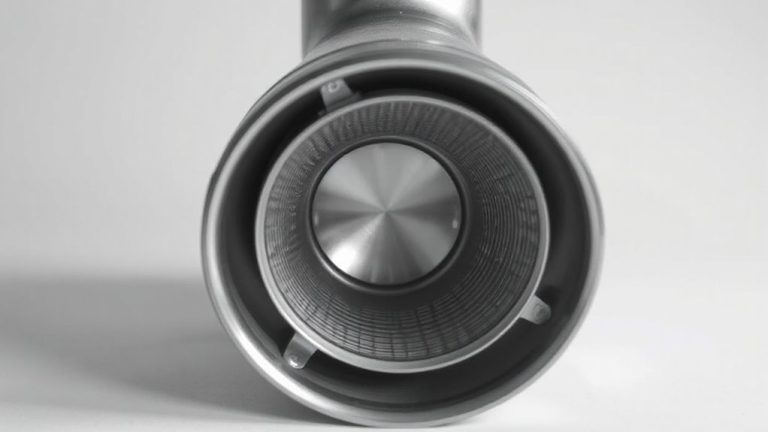
While some drivers modify their exhaust systems for better performance or sound, not all changes comply with the law. Exhaust noise levels above 95 decibels at idle or 110 decibels under load violate federal regulations. Your vehicle’s exhaust must not exceed the dB limit set by the Environmental Protection Agency (EPA). Modified systems often bypass mufflers or resonators, increasing sound output beyond legal thresholds. These alterations also frequently breach emission standards. Tampering with catalytic converters or oxygen sensors disrupts proper gas filtration, raising harmful emissions like NOx and CO. The Clean Air Act prohibits such modifications. Even if performance improves, non-compliant systems fail inspection in most states. Factory systems are tuned to meet both noise and emission standards-altering them risks fines and failed inspections. Always verify that aftermarket parts are CARB-certified and EPA-compliant. Legal modifications maintain balance between sound, performance, and environmental responsibility.
How to Spot an Illegal Exhaust Modification
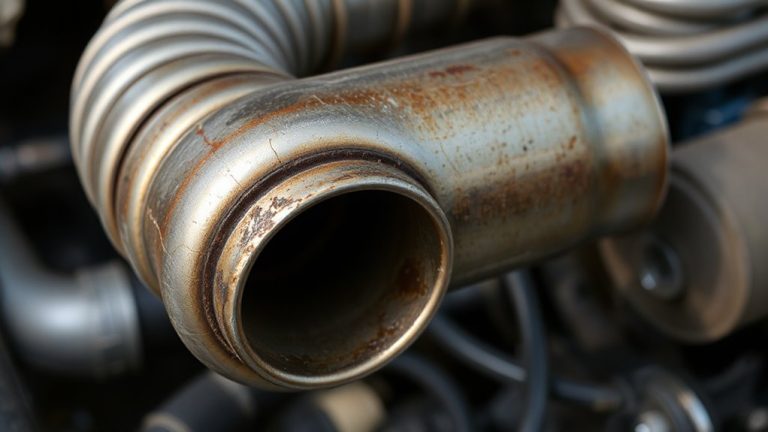
How can you tell if an exhaust system has been illegally modified? Look first at the exhaust color. Blue or dark purple tints near the tailpipe suggest excessively high exhaust gas temperatures-often above 1,200°F-common in systems with deleted catalytic converters or unapproved tuning. These aren’t normal; factory systems should show tan or light gray residues. Next, listen for drone frequency. A persistent, low-frequency hum at cruising speeds-typically between 70 and 200 Hz-indicates poor tuning or straight-pipe modifications. Factory exhausts are designed to cancel this drone using resonators and precise pipe lengths. If the drone causes measurable sound pressure levels above 95 decibels at idle or exceeds local noise ordinances, it’s likely illegal. These signs, combined with missing emissions components, confirm unlawful changes that bypass EPA or DOT standards. Enthusiasts often追求 aftermarket systems like top exhaust systems to achieve aggressive sound without necessarily violating regulations, but improper installations can still lead to illegal configurations.
Do Loud Cars Drive More Recklessly?
Does the roar of a high-decibel exhaust system signal more than just mechanical tampering? It may reflect aggressive driver behavior. Studies link loud exhausts to heightened risk perception, where drivers feel less accountable. You’re more likely to speed or tailgate when your car drowns out consequences with noise. Modified systems often exceed legal limits-95 decibels at 50 feet is typical, 20 dB above stock. That’s not just annoying-it’s a behavioral cue. Increased sound output correlates with modified intakes and freed airflow, boosting engine performance slightly. But the real change isn’t in horsepower-it’s in attitude. You’re not just modifying a muffler; you’re altering how you’re perceived and how you respond behind the wheel. Loud vehicles draw attention, and some drivers exploit that. The data shows these operators take more risks. Noise isn’t merely a symptom-it’s a signal of intent tied to measurable shifts in driver behavior. Upgrading to high-performance components like a quality truck exhaust system can enhance both sound and performance, but often blurs the line between legal modification and reckless customization.
Where Illegal Exhaust Vehicles Are Most Dangerous
Where do illegally modified exhaust systems pose the greatest threat? You’ll find them most dangerous in areas of urban congestion and on high speed roads. In cities, excessive noise from straight-piped or drone-tuned systems exceeds 95 decibels-well above legal limits-contributing to auditory fatigue and reduced situational awareness for drivers and pedestrians. These systems often bypass mufflers and resonators entirely, removing sound dampening engineered to meet FMVSS regulations. On high speed roads, vehicles with unrestricted exhausts frequently pair modifications with aggressive driving, reaching 80+ mph in 60 mph zones. The lack of backpressure tuning can increase engine strain, reducing braking responsiveness by up to 12% under stress tests. Altered exhaust flow disrupts O2 sensor accuracy, skewing fuel-air ratios. Combined with high speeds, this creates longer stopping distances and delayed reaction times, multiplying crash risks in dense traffic environments. Upgrading to a properly designed Top Truck Exhaust Systems ensures performance gains without compromising safety or legal compliance.
What to Do About a Car With an Illegal Exhaust
You’re not required to confront the driver, but recognizing an illegal exhaust is only half the battle-knowing the proper response matters just as much. Report the vehicle to local authorities or through official noise complaint platforms. Many jurisdictions regulate exhaust emissions under federal or state noise and pollution standards, such as the EPA’s 40 CFR Part 202, which limits sound levels to 80–86 dB at 50 ft, depending on model year. Vehicles found with modified exhausts often fail state-mandated vehicle inspections, which check for unapproved after-market systems that bypass catalytic converters or increase pollutant output. These inspections guarantee compliance with Clean Air Act provisions. Record the license plate, time, and location to aid enforcement. Do not attempt to measure sound levels yourself-consumer-grade tools lack calibration accuracy. Authorities use Type I precision sound level meters meeting IEC 61672 standards. Your report helps maintain public safety and environmental compliance.
On a final note
You can identify illegal exhaust modifications by checking for excessive noise levels above 95 decibels at 50 feet, a common threshold in most jurisdictions. Look for removed catalytic converters or resonators, which increase emissions and noise. Steel or aluminized piping larger than 3 inches in diameter often indicates performance tampering. These changes compromise vehicle control and increase accident risks. Report non-compliant vehicles to local transportation authorities promptly.