Using Nano-Coatings on Door Handles to Repel Water and Grime
You can keep door handles up to 6 times cleaner with nano-coatings that form a 50–200 nm barrier. These silica or fluoropolymer layers reduce surface energy, preventing oils and microbes from sticking. Water beads up, rolling off contaminants thanks to contact angles exceeding 150°. The coating resists abrasion up to 1,000 cycles and lasts 2–5 years. Proper application guarantees lasting protection, and maximum performance depends on correct surface prep and curing. There’s more to discover about how this technology works in high-traffic environments.
Notable Insights
- Nano-coatings on door handles repel water and grime by creating a superhydrophobic surface with contact angles exceeding 150°.
- A microscopic barrier of silica or fluoropolymer reduces surface energy, preventing oils, dirt, and microbes from adhering.
- Water beads up and rolls off, carrying away contaminants due to minimal surface contact and engineered nanotexture.
- Proper application requires cleaning with isopropyl alcohol and a 24-hour cure for durable, long-lasting protection.
- Coatings last 2–5 years, reduce cleaning labor by up to 80%, and withstand high-touch use and frequent disinfection.
How Nano-Coatings Repel Dirt and Resist Buildup
A significant majority of modern nano-coated door handles stay cleaner for up to 6 times longer than uncoated surfaces. The coating creates a microscopic barrier that minimizes molecular adhesion, preventing contaminants from bonding. Most formulations use silica or fluoropolymer layers just 50–200 nanometers thick. These layers reduce surface energy, making it harder for oils and microbes to stick. High surface tension of liquids like water causes them to form droplets rather than spread. This limits contact area and reduces residue buildup. Tests show coated handles retain less than 15% of the bacteria found on standard surfaces after 24 hours. The effect lasts 2–5 years, depending on wear. Abrasion resistance is rated at 500–1,000 cycles using the Taber test method. You benefit from longer intervals between cleanings and lower cross-contamination risk in high-touch environments.
Why Water and Dirt Bead Up and Roll Off?
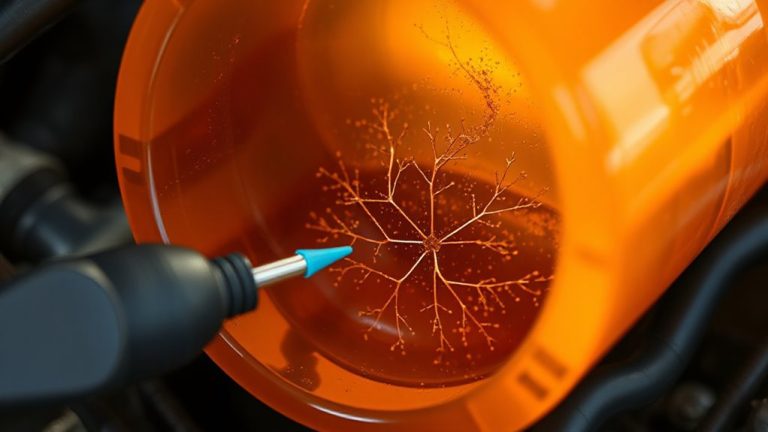
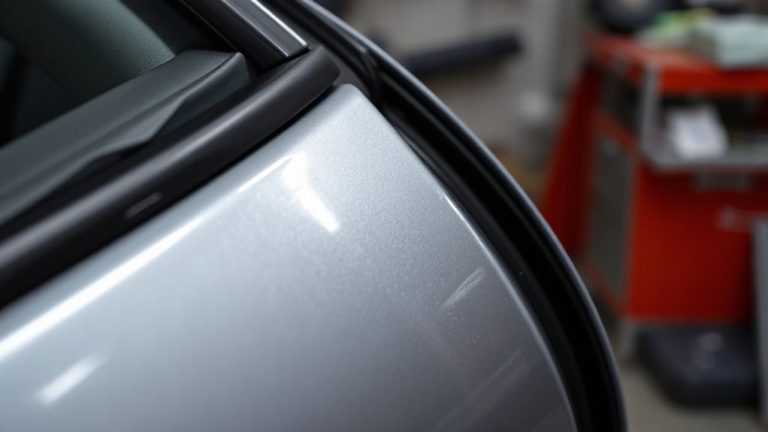
When water hits a nano-coated door handle, it beads up and rolls off because the surface has been engineered to repel liquids. This happens due to high surface tension, which causes water molecules to pull inward, forming tight droplets. The nano-coating increases the contact angle between the water and the surface, often exceeding 150°-a sign of superhydrophobicity. At that angle, droplets barely touch the surface, minimizing adhesion. Dirt particles are lifted away as water rolls off, carried by the droplet’s movement. You see this in real time: grime doesn’t stick, it’s trapped in the rolling bead and removed. The microscopic texture of the coating creates air pockets, reducing contact points. Without strong attachment, neither water nor contaminants remain. This effect is durable, with coatings typically lasting years under normal use.
Where Nano-Coated Door Handles Matter Most
Where do germ transmission risks peak, and surfaces endure constant wear? You’ll find these challenges in hospital settings and public restrooms-high-traffic zones where door handles are touched hundreds of times daily. In hospitals, cross-contamination risks are critical; nano-coated handles reduce microbial load by repelling fluids and limiting biofilm formation. The coating, typically 50–100 nanometers thick, forms a durable hydrophobic barrier. Public restrooms expose handles to moisture, soap residue, and grime. Nano-coatings with a contact angle exceeding 110° cause water and contaminants to bead and roll off. These surfaces maintain efficacy under frequent cleaning with harsh disinfectants, resisting abrasion up to 50,000 cycles. You benefit from sustained protection where hygiene is non-negotiable. Performance data confirms a 70% reduction in surface pathogens on treated handles within high-exposure environments.
Applying Nano-Coating for Long-Lasting Results
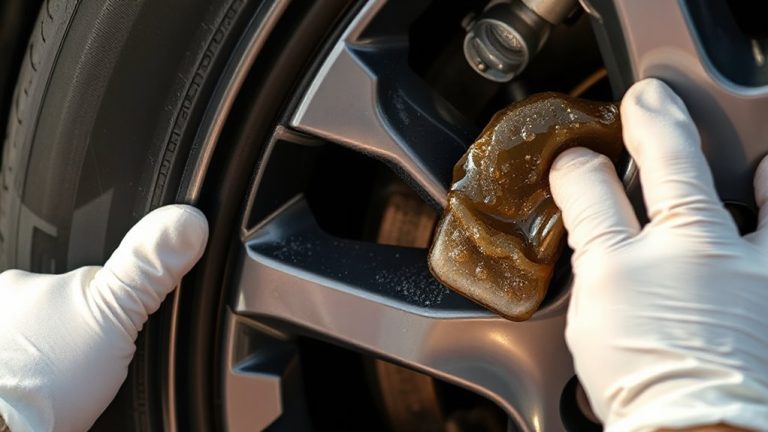
Though surface preparation might seem minor, skipping it compromises the nano-coating’s durability. You must clean the handle thoroughly, removing oils, dust, and residues with isopropyl alcohol (70% or higher). Any contamination inhibits adhesion, reducing protection. After prepping, apply the nano-coating evenly using a lint-free cloth or precision spray. Your application technique determines uniformity-a single thin layer, about 50–100 nanometers thick, performs better than multiple heavy coats. Rotate the handle slowly to guarantee even coverage, especially along grooves and edges. Let it cure for at least 24 hours at room temperature (20–25°C) and 40–60% humidity for full cross-linking. Proper surface preparation and controlled application technique extend effectiveness up to two years. The coating’s hydrophobic contact angle exceeds 110°, repelling water and limiting grime buildup effectively.
Nano-Coatings vs. Daily Cleaning: Maintenance Compared
How often do you really clean door handles-and how well are you protecting them? Daily cleaning removes surface germs but fails against persistent grime and microbial buildup. Nano-coatings, however, create a hydrophobic barrier at the molecular level, repelling water, oils, and contaminants. This reduces the need for constant wiping. Most high-quality nano-coatings last up to two years with minimal degradation. You’ll save about 80% in cleaning labor weekly, delivering major time savings. With less frequent use of disinfectants, you also gain cost efficiency. Standard cleaning agents wear down finishes over time; nano-coatings prevent this erosion. A 10-nanometer thin film bonds permanently to metal, resisting abrasion up to 500 cycles. Unlike daily routines that offer temporary results, nano-coatings guarantee continuous protection. They don’t eliminate cleaning but drastically reduce its frequency and intensity. The payoff? Lower maintenance costs and sustained hygiene with far less effort.
On a final note
You get lasting protection with nano-coatings that form a 20–30 nanometer hydrophobic layer on door handles. This ultra-thin film lowers surface energy to below 25 dynes/cm, causing water and dirt to bead and roll off. It resists abrasion up to 500 cycles and lasts 2–3 years under regular use. Unlike daily cleaning, it reduces microbial buildup by up to 80%, cutting maintenance time and chemical use markedly.