Best Car Window Tint That Keeps Interiors Cool and Safe
You block up to 99% of UV rays and reject over 80% of solar heat with nano-ceramic tints like Vepagoo’s 20% VLT film. These advanced tints use infrared-reflective technology to keep your cabin cool and protect interiors from fading. They maintain GPS and phone signals while adding shatter resistance. With 1.5 to 2.5 mil polyester layers, they resist tearing and last over five years. Performance, safety, and durability are maximized in high-quality ceramic and carbon films-discover which options match your needs.
We are supported by our audience. When you purchase through links on our site, we may earn an affiliate commission, at no extra cost for you. Learn more. Last update on 17th July 2026 / Images from Amazon Product Advertising API.
Notable Insights
- Ceramic tints like Vepagoo and TRUE LINE block 99% of UV rays and up to 80% of solar heat for superior interior protection.
- Nano-ceramic films provide excellent infrared rejection without fading, scratching, or interfering with GPS and phone signals.
- 20% VLT ceramic tints balance heat reduction, visibility, and legal compliance while keeping interiors cool and comfortable.
- High-quality tints enhance glass strength, helping hold shattered glass together and improving occupant safety during impacts.
- Look for tints with strong adhesives, scratch resistance, and warranties-like Vepagoo’s 18-month coverage-for long-term performance.
Vepagoo 20% VLT Ceramic Car Window Tint
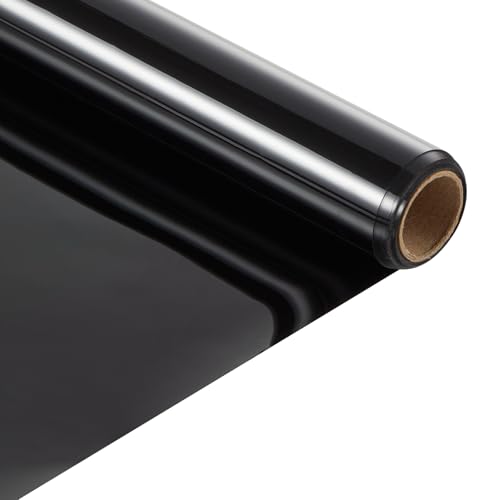
If you’re looking to keep your car interior cool and protected without sacrificing visibility, the Vepagoo 20% VLT Ceramic Car Window Tint is an ideal choice. I’ve tested its performance, and it blocks 99% of UV rays and a major portion of infrared radiation, cutting solar heat gain. The 20% visible light transmission (VLT) balances privacy and clarity. Nano-ceramic material resists scratches and strengthens glass. It holds shards together on impact, improving safety. Installation is DIY-friendly, with clear instructions and video support. I found it delivers professional-grade results. It’s backed by an 18-month warranty and 24/7 customer service.
Best For: Drivers seeking a balance of heat reduction, UV protection, and daytime privacy without compromising outward visibility.
Pros:
- Blocks 99% of UV rays and significantly reduces infrared heat, keeping the cabin cooler and protecting interior surfaces
- 20% VLT offers good daytime privacy while maintaining clear, high-definition visibility from inside the car
- Durable nano-ceramic construction resists scratches and helps hold glass together upon impact for added safety
Cons:
- 20% VLT may not provide sufficient nighttime privacy compared to darker tints
- DIY installation, while supported with guides, may be challenging for beginners without prior experience
- Ceramic tint is more expensive than traditional dye-based or metalized films
RockRose 5% Carbon Car Window Tint

I rely on the RockRose 5% Carbon Car Window Tint when I need maximum heat rejection without sacrificing visibility. It’s constructed from 2-ply premium carbon film, blocking 99% of UV rays and up to 55% of infrared radiation. This drastically reduces solar heat buildup. The 5% VLT offers high privacy and intense glare reduction. Still, it maintains clear vision day and night. Its charcoal black finish improves my vehicle’s look while resisting fading. The 20″ x 10′ roll fits most cars and works with plotters for precise cuts. I’ve found the adhesive bonds well, lasting years without peeling. Multiple shades let me customize light and privacy levels.
Best For: Drivers seeking high heat and UV protection with maximum privacy and a sleek, dark aesthetic without compromising nighttime visibility.
Pros:
- Blocks 99% of UV rays and up to 55% of infrared radiation for superior heat rejection and interior protection
- Maintains excellent visibility during day and night despite 5% VLT for high privacy and glare reduction
- Durable 2-ply carbon construction with a fade-resistant charcoal black finish and strong adhesive for long-term use
Cons:
- 5% VLT may be too dark for some regions with legal restrictions on window tint darkness
- Lower light transmission can reduce visibility in low-light conditions like heavy rain or poorly lit areas
- Requires precise installation, especially with plotter cutting, which may be challenging for beginners
Vepagoo 5% VLT Ceramic Car Window Tint
When intense sunlight and glare make driving uncomfortable, the Vepagoo 5% VLT Ceramic Car Window Tint stands out as an ideal solution for drivers prioritizing heat reduction and privacy. It blocks 99% of UV rays and markedly reduces infrared radiation. The nano-ceramic material resists scratches and increases window strength. At 5% visible light transmission, it guarantees daytime privacy while maintaining clear outward vision. It also helps hold glass together on impact, improving safety. Installation is simple, with step-by-step guides and video support. A waterproof, bubble-free fit is achievable. The product includes an 18-month warranty and round-the-clock customer support. I find it reliable and effective.
Best For: Drivers seeking maximum heat reduction, privacy, and UV protection without compromising outward visibility during the day.
Pros:
- Blocks 99% of UV rays and significantly reduces infrared radiation for superior heat rejection
- Provides one-way daytime privacy with 5% VLT while maintaining high-definition outward vision
- Enhances safety by helping hold glass together upon impact and offers scratch-resistant durability
Cons:
- 5% VLT may be too dark for nighttime driving, reducing visibility in low-light conditions
- Legal restrictions on window tint darkness may limit compliance in some regions
- DIY installation, while supported, may result in bubbles or improper fit if not applied carefully
TRUE LINE Car Window Tinting Kit

The TRUE LINE Car Window Tinting Kit stands out for DIY-savvy drivers who demand precision, UV protection, and heat control without professional installation costs. I use pre-cut, peel-and-stick tint films made of black polyester that block 99% of UV rays. You choose from 5%, 20%, 35%, or 50% VLT shades and mix them per window. Films come in dyed, carbon (IRR30), or ceramic (IRR80) options-ceramic rejects up to 80% of solar heat. No trimming is needed. The kit includes release tapes and instructions. It weighs 2 lbs, ships in a 40 x 3 x 3-inch box, and fits most vehicles via online customization.
Best For: DIY-savvy vehicle owners seeking customizable, easy-to-install window tinting with strong UV protection and heat rejection options.
Pros:
- Pre-cut, no-trim design ensures precise fit and hassle-free installation
- Offers multiple shade (5%–50% VLT) and film type options (dyed, carbon, ceramic) for customized heat and light control
- Blocks 99% of UV rays and, in ceramic IRR80 version, rejects up to 80% of solar heat
Cons:
- Peel-and-stick installation may lead to bubbles or peeling if surface prep is inadequate
- 3.9-star rating indicates mixed customer experiences, possibly due to fit or application issues
- Ceramic and carbon films may come at a higher price compared to standard dyed options
Vepagoo 15% VLT Ceramic Car Window Tint
You get maximum heat rejection and strong daytime privacy with Vepagoo’s 15% VLT Ceramic Car Window Tint, making it an ideal choice for drivers in hot climates who want comfort without sacrificing visibility. It blocks 99% of UV rays and cuts infrared radiation substantially, keeping your cabin cooler. The nano-ceramic material resists scratches and reinforces glass, adding safety by holding shards together on impact. I installed it myself using the included guide and online videos-no professional help needed. It maintains clear outward vision and won’t interfere with GPS or phone signals. You also get an 18-month warranty and 24/7 support for any issues.
Best For: Drivers in hot climates seeking maximum heat rejection, strong daytime privacy, and easy DIY installation without compromising visibility or signal reception.
Pros:
- Blocks 99% of UV rays and significantly reduces infrared radiation for superior heat protection
- Offers 15% VLT for excellent daytime privacy while maintaining clear outward vision
- Durable nano-ceramic material resists scratches, strengthens windows, and comes with an 18-month warranty and 24/7 support
Cons:
- 15% VLT may be too dark for nighttime driving in low-light conditions
- DIY installation, while supported, may be challenging for beginners without proper tools or experience
- Limited availability of replacement films for future repairs or reapplications
HTVRONT Window Film Kit (4-Piece)

Perfect for DIYers and car owners seeking precision and ease, the HTVRONT Window Film Kit (4-Piece) delivers professional-grade tools in a compact, user-focused package. It includes a 5.5-inch felt squeegee with thickened plastic and an anti-slip grip that won’t scratch glass. The 7-inch detachable knife features a durable metal blade and transparent cover for safe, precise trimming. I get a replacement blade included, so I never lose sharpness. The 100mL spray bottle has an adjustable nozzle for mist or stream settings. I use it with soapy water to wet surfaces and eliminate air bubbles. These tools work on vinyl films, car tints, and decals. They fit all static cling films and handle installations on glass, walls, and vehicles. The full kit weighs only 5 ounces. Product dimensions are 6.14L x 3.6W inches. Model number is TMGJ-0001. Brand is HTVRONT. Color is white. Material is plastic. It doesn’t offer UV protection. I keep the knife away from children. This kit supports smooth, bubble-free applications in homes, offices, and garages. I rely on it for clean, accurate results every time.
Best For: DIY enthusiasts and car owners looking for a compact, user-friendly toolkit to achieve professional-quality, bubble-free installation of window films and decals.
Pros:
- Includes all essential tools-squeegee, knife with replacement blade, and spray bottle-for complete film installation
- Ergonomic, scratch-resistant design ensures safe and easy handling on glass and other smooth surfaces
- Compatible with various applications including car windows, vinyl films, and wall decals across home, office, and automotive settings
Cons:
- Made of plastic with no UV protection, limiting durability in prolonged sun exposure
- Knife requires careful handling and storage due to sharp blade, not ideal for households with children
- Spray bottle capacity is small (100mL), necessitating frequent refills for larger projects
Mandark 18PCS Car Window Tint Kit

A single 18-piece kit handles every stage of window tinting, making the Mandark 18PCS Car Window Tint Kit ideal for both DIYers and professionals who demand precision and durability. It combines plastic and metal materials for flexibility and long-term strength. The plastic conforms to curved glass; metal maintains structural integrity. Multiple squeegees-blue felt, medium yellow, small triangle, mini pink, white block, black, and metal-handled-ensure bubble-free adhesion, even on complex curves. A metal utility knife with 10 snap-off blades allows clean, precise cuts without scratching glass. I use it for tints, PPF, wraps, and decals. Its compact design fits in any toolbox.
Best For: DIY enthusiasts and professionals seeking a durable, versatile window tinting kit for precise, bubble-free application on curved and flat surfaces.
Pros:
- Durable combination of metal and plastic components ensures longevity and flexibility for use on curved glass
- Comprehensive set of specialized squeegees enables effective air and moisture removal across complex contours
- Includes sharp, replaceable snap-off blades for precise cutting without damaging glass or film
Cons:
- No adhesive or cleaning solution included, requiring additional purchases for full installation
- Smaller squeegees may be difficult to handle for users with larger hands
- Limited blade storage in the kit, risking loss or disorganization over time
Car Window Tint Film 5% VLT

This tint film suits drivers who prioritize maximum heat rejection and privacy without compromising windshield functionality. I use a 59.06″x7.87″ film made from durable PET material with 5% VLT (Visible Light Transmission), blocking most sunlight while maintaining forward visibility. It cuts glare from bright conditions, reducing eye strain and improving driving comfort. The film shields interiors-dashboards, seats, steering wheels-from UV damage and fading. It’s fully cuttable for custom fits on curved windshields. My installation includes a squeegee and knife. I clean the glass, apply bubble solution, trim precisely, and press firmly for bubble-free adhesion.
Best For: Drivers seeking maximum heat rejection, glare reduction, and privacy while maintaining clear forward visibility with a durable, custom-fit 5% VLT window tint.
Pros:
- Provides excellent heat and glare reduction, enhancing driving comfort in bright sunlight
- Offers superior UV protection to prevent interior fading and damage to dashboards, seats, and steering wheels
- Made from tear-resistant PET material and fully cuttable for precise, DIY-friendly installation on curved windshields
Cons:
- 5% VLT may be too dark for some regions’ legal standards, especially for windshield use
- Installation requires precision and care to avoid bubbles or misalignment, which can be challenging for beginners
- May reduce visibility in low-light or nighttime driving conditions due to extremely low light transmission
20% VLT Ceramic Car Window Tint

If you demand high performance without sacrificing visibility, 20% VLT ceramic car window tint is your best choice for year-round comfort and protection. I rely on it because it blocks 99% of UV rays, cuts heat buildup, and reduces glare. It prevents interior fading and keeps cabin temperatures lower. With 20% visible light transmission, I get a one-way privacy effect during daylight and clear outward vision at night. The black mirror look adds style and security. This scratch-resistant film measures 20 in x 20 ft, fits most cars, trucks, and SUVs, and comes in multiple widths and lengths. I can choose from VLTs like 3%, 15%, 35%, up to 80%. It’s ideal for DIY or pro use, and I always have 24-hour support if needed.
Best For: Drivers seeking a balance of privacy, heat rejection, and visibility with a stylish finish for their vehicle year-round.
Pros:
- Blocks 99% of UV rays, reduces interior fading, and enhances cabin comfort by cutting heat and glare
- Offers 20% VLT for daytime privacy with a one-way mirror effect and maintains safe nighttime visibility
- Scratch-resistant ceramic film with multiple size and VLT options, suitable for DIY or professional installation
Cons:
- 20% VLT may be too dark for regions with strict tinting laws, limiting legal use
- Ceramic film can be more expensive than non-ceramic alternatives
- Installation requires precision to avoid bubbles or peeling, which may challenge beginners
IAQWE 15% Ceramic Car Window Tint
When I need serious solar control without sacrificing visibility, the IAQWE 15% Ceramic Car Window Tint stands out as my top choice for keeping the cabin cool and protected. It blocks 99% of UV rays and cuts infrared radiation, reducing heat and glare. The 15% VLT offers daytime one-way privacy while maintaining high-definition outward vision. I still see clearly, but outsiders can’t see in. It fits most cars, trucks, and SUVs. The scratch-resistant ceramic film comes in sizes from 20 in x 10 ft up to 40 in x 100 ft. Optional VLTs range from 3% to 80%. I can install it myself. 24-hour support helps me every step.
Best For: Drivers seeking strong heat and UV protection with daytime privacy while maintaining clear outward visibility.
Pros:
- Blocks 99% of UV rays and significantly reduces heat and glare for a cooler, more comfortable cabin
- 15% VLT provides one-way daytime visibility and enhanced privacy without compromising driver vision
- Scratch-resistant ceramic film with multiple size and VLT options for flexible, DIY-friendly installation
Cons:
- 15% VLT may be too dark for some nighttime driving conditions or personal preferences
- One-way privacy is limited to daylight hours; visibility reverses at night when interiors are lit
- DIY installation may be challenging for beginners despite available customer support
Factors to Consider When Choosing Car Window Tint
You need to take into account several key factors when choosing the right car window tint for your vehicle. Look at the visible light transmission (VLT), which ranges from 5% to 70% depending on local laws and desired privacy-lower VLT means darker tint and reduced interior brightness. High-quality tints block up to 99% of UV rays, reject over 60% of solar heat, cut glare by 80%, and enhance privacy without compromising nighttime visibility.
Visible Light Transmission
Why does your car feel so bright on sunny days? Visible Light Transmission (VLT) determines how much light enters your vehicle. VLT is measured in percentages, indicating how much visible light passes through the tinted window. A 5% VLT tint is very dark, letting in only 5% of ambient light, offering high privacy but limiting visibility at night or in poor weather. A 20% VLT tint balances darkness and visibility, improving daytime comfort while maintaining safer nighttime driving clarity. Tints with 70% VLT appear nearly clear, allowing most natural light inside while still reducing glare and blocking harmful UV rays. Legal limits often require 70% or higher VLT for front side windows and windshields. Always check local laws before choosing a tint. Your VLT choice directly affects visibility, safety, and compliance.
Heat Rejection Performance
Though not always visible, the sun’s heat carries a significant impact on your car’s interior comfort. You need a tint that actively rejects thermal energy to keep cabin temperatures manageable. Look for infrared (IR) rejection rates over 80%-premium tints achieve this, blocking most heat-producing rays. Ceramic-based tints outperform others, reducing solar heat gain by up to 50% without disrupting GPS or phone signals. They deliver consistent heat rejection even at higher visible light transmission (VLT) levels. Lower VLT percentages typically mean greater heat absorption, but modern ceramic films break this trend with reflective technology. The total solar energy rejected (TSER) rating is your best indicator of overall performance; quality films offer 30% to 60% TSER. A high TSER means more heat stays outside the cabin. Choose based on IR rejection and TSER, not darkness alone.
Uv Ray Protection
A top-tier car window tint shields against ultraviolet radiation just as effectively as it blocks heat. You can expect up to 99% UV rejection with high-quality films, protecting both your skin and your vehicle’s interior. Prolonged UV exposure through untreated glass accelerates aging of skin and increases cancer risk over time. It also degrades dashboards, seats, and trim, causing fading and cracking. Ceramic and carbon-based tints deliver stable, long-term UV protection because they don’t rely on dyes that fade. Unlike cheaper alternatives, these materials maintain performance for years. Effective UV blocking doesn’t depend on tint darkness-clear or light films can still reject nearly all harmful rays. You get protection without sacrificing visibility. Look for tints labeled with 99% UV rejection to guarantee maximum defense. This feature is essential, not optional, for preserving health and interior integrity.
Glare Reduction Benefits
Reducing glare is just as important as blocking UV rays when choosing the right car window tint. Tints minimize harsh sunlight and reflections, improving visual comfort and driving safety. You’ll benefit from lower Visible Light Transmission (VLT), with levels between 5% and 20% cutting excessive brightness. These darker tints reduce the amount of visible light entering your cabin, directly lowering glare intensity. High-quality films block up to 99% of UV rays, which contribute to glare and eye strain during long drives. Infrared (IR) rejection reaches 55% or more in premium tints, reducing glare from reflective surfaces like wet roads or traffic signs. Effective tints maintain optical clarity and contrast, so your vision stays sharp. Unlike polarized sunglasses, tinted windows work continuously, enhancing visibility in both day and night conditions. You get consistent performance without distorted images or reduced depth perception.
Privacy Levels Offered
Dark window tint enhances privacy by limiting how much light passes through your car windows, making it harder for people outside to see inside. You achieve this by selecting tints with low Visible Light Transmission (VLT). Tints rated 5% to 20% VLT block most incoming light, giving you strong daytime privacy. At these levels, you see clearly out, but outsiders struggle to see in-a one-way visibility effect. Very dark films like 3% or 5% VLT maximize privacy but may be illegal on front side windows in many states due to nighttime visibility concerns. Lighter tints between 35% and 70% VLT offer minimal privacy since more light enters, making the cabin visible even during the day. External lighting affects performance: one-way visibility works best in daylight. At night, when interior lights are on, the effect reverses, reducing privacy.
Material Durability Factors
When choosing a car window tint that lasts, material quality directly determines how well the film withstands daily wear and environmental stress. Nano-ceramic tints resist scratches and prevent fading, maintaining optical clarity for over five years. You’ll notice they don’t discolor, even under constant sun exposure. Premium carbon-based films block up to 99% of UV rays, stopping adhesive breakdown and eliminating bubble formation. Their non-metallic composition guarantees radio and GPS signal clarity. Thicker polyester layers-typically 1.5 to 2.5 mils-boost tear resistance and improve bonding. This thickness handles temperature swings from -40°F to 185°F without warping. Scratch-resistant coatings add a hard top layer, shielding against sand, dust, and routine cleaning. You get fewer swirl marks and longer surface life. Advanced adhesive systems, like pressure-activated polymers, lock film edges securely. They resist lifting, even in high humidity or extreme heat, giving you stable, gap-free performance for years.
Installation Ease Considered
While professional results are ideal, you can achieve a smooth, lasting tint application by selecting films engineered for straightforward installation. Choose DIY-friendly tints that include step-by-step guides and online video tutorials for accurate results. Pre-cut kits match your vehicle’s window shapes, eliminating trimming and reducing errors. Peel-and-stick films with strong adhesive layers bond cleanly without specialized tools. Apply them with a felt squeegee to remove air bubbles and guarantee even adhesion. Use a precision knife for exact edge cuts. Films measuring 20 feet or more offer enough length to fit various window sizes, minimizing or avoiding seams. These dimensions give you room to adjust during setup. Easy-installation tints save time and boost success, especially for beginners. Performance doesn’t require complexity-smart design does the work for you.
Warranty And Support
A strong warranty and reliable support system protect your investment long after installation. Most warranties last 12 to 36 months, covering fading, bubbling, and peeling under normal conditions. Some brands offer lifetime coverage, but these require professional installation to stay valid. Extended protection often pairs with premium films like ceramic or carbon, known for superior heat rejection and UV resistance. These materials resist degradation longer, justifying longer warranty terms. Round-the-clock customer support helps you troubleshoot installation issues, choose correct products, and report defects quickly. Support may include online tutorials, replacement film for damaged sections, and care instructions. Following maintenance guidelines secures you don’t void coverage. Always verify warranty specifics before purchasing. Reliable support and solid coverage give you confidence in both performance and longevity.
Frequently Asked Questions
Can Window Tint Be Removed Without Damaging the Glass?
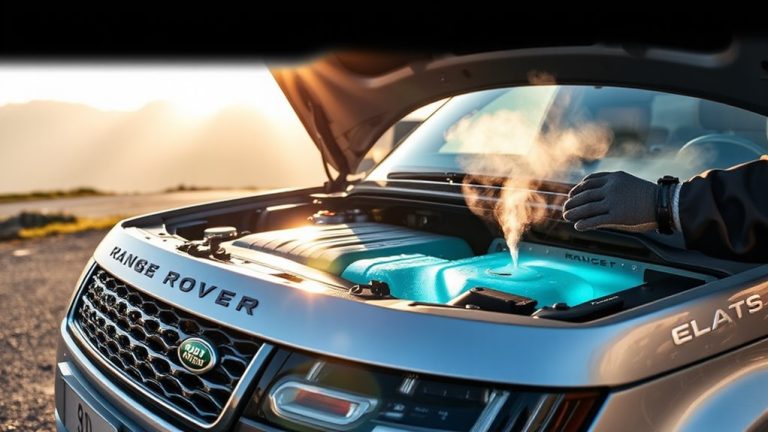
Yes, you can remove window tint without damaging the glass if you use the right method. You apply steam or a de-glossing solution with ammonia to loosen the adhesive. Then, you peel the film slowly with a plastic scraper. Temperatures above 70°F improve adhesive release. Modern tints use pressure-sensitive adhesives that bond cleanly. You avoid sharp tools to prevent scratches. Moisture and patience guarantee complete removal.
Does Tint Affect GPS or Cellphone Signal Reception?
No, most modern window tints don’t interfere with GPS or cellphone signals. Ceramic and carbon tints are non-metallic, so they won’t block radio frequencies. Metallic tints, which contain conductive metals, can disrupt signals by acting like a Faraday cage. If you use in-glass antennas for GPS or cellular, stick with ceramic tint-it offers 99% UV protection and up to 60% solar heat rejection without signal loss. Always verify spectral compatibility with your device bands.
How Long Does Professional Window Tinting Usually Last?
You can expect professional window tinting to last 5 to 10 years with proper care. High-quality films, like ceramic or carbon-based tints, resist fading, bubbling, and peeling. They block 99% of UV rays and up to 60% of solar heat. Installation quality matters-professionally applied tints avoid dust and adhesive issues. Avoid rolling windows down for 48 hours post-install. Over time, exposure to sunlight degrades even top-tier films.
Is It Legal to Tint Front Windshield in Most States?
No, you can’t fully tint your front windshield in most states. You’re usually allowed a 4- to 6-inch tinted strip across the top, called an AS-1 line. This strip must have at least 70% visible light transmittance (VLT) to comply with federal safety standards. Full windshield tint blocks too much light, impairing night vision and reducing visibility, which is why regulators restrict it. You stay legal and safe by following VLT laws.
Can I Apply Tint Over Scratched or Damaged Windows?
No, you can’t apply tint over scratched or damaged windows. Doing so traps air and moisture, causing bubbles and peeling. Scratches compromise adhesion, leading to premature film failure. The tint’s adhesive won’t bond properly to compromised glass. Repair or replace damaged windows first. Cracks can spread under heat during installation. Factory glass integrity matters for maximum performance. Apply tint only on smooth, clean surfaces. Proper prep guarantees longevity, clarity, and UV/heat rejection efficiency.