Best Tire for Subaru Outback That Handles Any Terrain Smoothly
You need a tire that matches your Subaru Outback’s all-terrain demands without sacrificing highway comfort. The Cooper Endeavor Plus 225/65R17 102H delivers with a 65,000-mile treadwear warranty and UTQG 680-A-A rating for long-lasting, reliable performance. Its 10.5/32-inch tread depth handles wet roads and light snow, while non-directional patterning guarantees even wear. Though not severe snow-rated, it offers balanced all-season traction. Proper inflation and alignment maximize fuel efficiency. More details on its real-world performance follow.
We are supported by our audience. When you purchase through links on our site, we may earn an affiliate commission, at no extra cost for you. Learn more. Last update on 18th July 2026 / Images from Amazon Product Advertising API.
Notable Insights
- The Cooper Endeavor Plus offers balanced all-season performance ideal for Subaru Outback’s on-road and light off-road needs.
- With a non-directional tread pattern, it ensures even wear and smooth, quiet handling across varied terrain.
- Tread depth of 10.5/32″ provides solid wet and light snow traction, though not ideal for deep snow.
- Lacks 3PMSF rating, so it’s less capable in severe winter conditions despite all-season classification.
- Proper load index (102) and speed rating (H) match Outback specs, supporting safe, efficient all-terrain driving.
Cooper Endeavor Plus All-Season 225/65R17 102H Tire

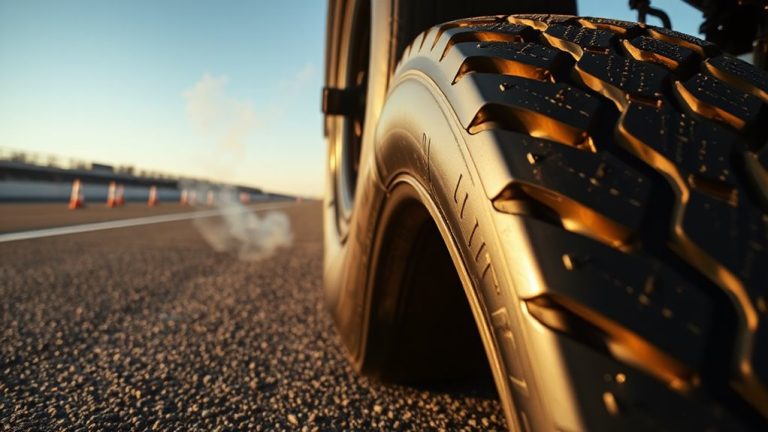
If you drive a Subaru Outback and want a tire that balances reliability, longevity, and all-season confidence, the Cooper Endeavor Plus All-Season 225/65R17 102H is built for your kind of journey. It’s a radial, non-directional tire with a 225mm section width and 28.54-inch diameter, designed specifically for 6.5-inch rims. The load index 102 supports 1,874 pounds per tire, with an H speed rating up to 130 mph. Tread depth measures 10.5/32nds, and the UTQG 680-A-A rating signals strong wear and traction. Water evacuation grooves and checkmark channels boost wet grip. A 65,000-mile treadwear warranty backs its durability.
Best For: Drivers of SUVs and light trucks like the Subaru Outback seeking a reliable, long-lasting all-season tire with strong wet and snow traction, a quiet ride, and a 65,000-mile treadwear warranty.
Pros:
- Excellent all-season performance with enhanced wet and snow traction thanks to water evacuation grooves and checkmark channels
- Durable construction with a 65,000-mile treadwear warranty and UTQG 680-A-A rating for long tread life
- Smooth, quiet ride due to a non-directional tread pattern and even tread wear technology
Cons:
- Not designed for aggressive off-roading or extreme winter conditions despite all-season rating
- Tread depth of 10.5/32nds is average, which may limit deep snow performance
- Limited availability as a single-unit purchase, potentially increasing replacement costs for full sets
Factors to Consider When Choosing a Tire for Subaru Outback
You need to match your tire type to your Subaru Outback’s all-wheel-drive system to prevent premature wear and guarantee balanced performance. All-season tires with a treadwear rating of 500 or higher offer reliable traction in wet and dry conditions while lasting longer under normal driving loads. Make sure the load index meets or exceeds 95H (1,521 lbs per tire) to safely support your vehicle’s weight and cargo demands.
Tire Type Compatibility
When selecting tires for your Subaru Outback, matching the manufacturer’s recommended specifications is essential for maintaining safety, performance, and drivetrain integrity. You must choose tires with the correct diameter, width, and load index to guarantee proper fitment and handling. The speed rating should match or exceed your vehicle’s top speed capability-typically rated at least T (118 mph) or higher. Opt for all-season tires with a non-directional tread pattern; they deliver balanced traction and support multiple rotation patterns, extending tire life. Your Outback requires a load range and index adequate for its curb weight and towing capacity-usually Load Index 102 or higher. Check tread depth and UTQG ratings to gauge longevity and grip performance. Proper specs prevent premature wear and driveline strain.
All-Season Performance
All-season performance plays a key role in maintaining your Subaru Outback’s capability across changing weather conditions. You need tires that perform reliably in rain, dry spells, and snow. Look for the 3PMSF symbol-it confirms the tire meets strict standards for severe snow traction. Tires with a traction grade of “A” on the UTQG scale deliver strong grip on wet pavement, reducing stopping distance in rain. Tread depth matters-aim for 10/32″ or deeper to effectively channel water and slush. Deeper grooves enhance wet and cold-weather performance. Non-directional tread patterns allow flexible rotation, promoting even wear and longer usability across seasons. While UTQG treadwear ratings don’t predict real-world life perfectly, a higher number generally suggests longer service under test conditions. Choose tires balancing these specs to keep your Outback stable, safe, and ready year-round.
Tread Life Expectancy
A typical set of all-season tires lasts between 40,000 and 80,000 miles, but actual tread life depends heavily on driving habits, maintenance, and road conditions. You can expect longer wear if you rotate your tires every 5,000 to 7,500 miles-this simple habit promotes even tread wear. Look for tires with a Uniform Tire Quality Grading (UTQG) treadwear rating between 600 and 800; these numbers indicate longer life compared to standard reference tires. Your driving style matters just as much: aggressive acceleration, hard braking, and sharp cornering wear down tread faster. Keep tire pressure at the level recommended by Subaru-usually 32 to 35 psi-to maintain full tread contact and avoid uneven wear. Proper inflation prevents premature deterioration and guarantees you get the most miles out of your investment.
Ride Comfort Level
While ride quality depends on several design elements, your tire choice plays a pivotal role in how smoothly your Subaru Outback handles pavement imperfections. Tires with a non-directional tread pattern reduce road noise and maintain even contact with the surface, delivering a quieter, more consistent ride. A tread depth of 10/32 to 11/32 inches balances comfort and traction, especially in light snow and rain. Softer tread compounds absorb vibrations, while reinforced internal structures enhance durability without compromising ride suppleness. Ideal section width and aspect ratio-like a moderate sidewall height-help cushion bumps and uneven pavement. Even tread wear, supported by uniform design and proper load distribution, prevents vibrations over time. This consistency guarantees long-term comfort. Choosing the right tire means prioritizing materials, tread design, and dimensions that actively smooth out road irregularities. Your Outback deserves tires that blend technical precision with everyday refinement.
Load Capacity Needs
Most drivers overlook load capacity until a problem arises, but it’s one of the most critical factors in tire selection for your Subaru Outback. You must match or exceed the vehicle manufacturer’s recommended load index to safely support your Outback’s weight. The load index number corresponds to a specific maximum load per tire-index 91 carries 1,356 lbs, while 105 supports 2,039 lbs. Overloading tires risks premature wear, reduced fuel economy, and possible blowouts. Load capacity depends on proper inflation; maintaining the recommended PSI guarantees the tire performs as rated. Tires with higher load indices are stiffer and heavier, which can slightly reduce ride comfort and responsiveness if mismatched. Always verify the tire’s sidewall load index aligns with your vehicle’s requirements. This guarantees safety, longevity, and peak performance under real-world driving loads.
Weather Handling Ability
When facing unpredictable weather, your tire choice makes all the difference in maintaining control and safety. Look for the Three-Peak Mountain Snowflake symbol-it confirms the tire passed severe snow service tests for superior winter traction. Tread depth matters; aim for 10/32 or deeper to handle snow and slush effectively. Deeper treads grip better, while shallow ones reduce wet-weather performance. Circumferential grooves channel water away, and lateral sipes improve ice grip by increasing biting edges. Choose rubber compounds that stay flexible in cold temps-they keep traction when roads freeze. Harder compounds in winter tires lose grip as temperatures drop. Speed ratings like H (130 mph) guarantee stability during sudden maneuvers in wind or rain. These features work together, much like all-wheel drive and traction control, to keep you in control no matter the forecast.
Fuel Efficiency Impact
Choosing the right tires for your Subaru Outback doesn’t just affect how well you handle snow or rain-it also influences how often you stop for gas. Lower rolling resistance can boost fuel economy by up to 3%, and tires designed with harder rubber compounds reduce energy loss during deformation, improving efficiency. Shallow tread depths contribute to less rolling resistance, though they may reduce wet grip. Keeping tires properly inflated is essential-every 1 psi drop across all tires cuts fuel efficiency by 0.4%. Underinflation increases rolling resistance and wear. Heavier tires increase rotating mass, demanding more energy during acceleration. Wider models create larger contact patches and greater aerodynamic drag, reducing mileage even when correctly inflated. Choosing narrower, lightweight tires with low rolling resistance specs helps maximize your Outback’s fuel economy without sacrificing durability.
Frequently Asked Questions
How Long Do Cooper Endeavor Plus Tires Typically Last?
Cooper Endeavor Plus tires typically last around 70,000 miles under normal driving conditions. You’ll get the best lifespan when you maintain proper inflation and rotate them every 5,000 to 7,500 miles. These tires feature a symmetric tread design with twin steel belts and a spiraled nylon cap, enhancing tread stability and wear resistance. The rubber compound is engineered for long-term durability, reducing abrasion over time.
Are These Tires Good for Snowy Mountain Roads?
Yes, Cooper Endeavor Plus tires perform well on snowy mountain roads. They feature a silica-enhanced tread compound that stays pliable in cold temperatures. The siped tread blocks increase biting edges for better grip on snow and ice. They’re rated with the Three-Peak Mountain Snowflake symbol, confirming severe winter capability. Traction peaks at moderate speeds, so you should drive cautiously on steep, icy inclines.
Can I Mix Tire Brands on My Subaru Outback?
No, you shouldn’t mix tire brands on your Subaru Outback. All four tires must match in size, load index, speed rating, and tread pattern. Mismatched tires can disrupt the all-wheel-drive system, causing damage to the transfer clutch or drivetrain. Subaru requires uniform tire diameter-differences over 1/4 inch can create binding. Use identical tires front and rear. It’s unsafe and voids warranty otherwise. Always replace tires in pairs or sets of four.
Do These Tires Increase Fuel Efficiency?
Yes, these tires can increase fuel efficiency. They feature low rolling resistance rubber compounds and optimized tread patterns that reduce drag. You’ll see up to 3% better fuel economy under normal driving conditions. The stiffer sidewall construction improves energy transfer, minimizing wasted motion. While not as efficient as dedicated eco-tires, their all-terrain design balances capability with measurable fuel savings over standard all-terrain models.
What’s the Recommended Tire Pressure for This Model?
You should maintain 32 psi in all four tires when cold for peak performance. This pressure guarantees even tread wear, proper handling, and maximizes fuel economy. Check pressures monthly and adjust when temperatures shift more than 10°F. Underinflation reduces stability; overinflation diminishes ride comfort and grip. The valve stem should seal tightly, and you must recheck after driving if adjusting on hot tires. Always follow the placard in your driver’s door jamb.