Understanding the Science Behind Paint Protection Films for Automotive Finishes
You’re protected by a 6- to 8-mil thermoplastic urethane film that resists scratches, blocks 99% of UV rays, and self-heals minor abrasions. Its elastomeric polymers activate with heat-sunlight or warm water-repairing surface scratches in 1–24 hours. UV stabilizers and dense TPU prevent yellowing, passing 5,000+ hours of weathering tests. A hydrophobic, cross-linked structure shields against oxidation. With 400% elongation and 85–95 Shore A hardness, it absorbs impacts without cracking. Top-tier PPF combines resilience, clarity, and long-term performance others can’t match-there’s more to how it outlasts the elements.
Notable Insights
- Paint protection film (PPF) uses a clear, thermoplastic urethane layer to shield vehicle paint from road debris and abrasions.
- Self-healing properties stem from elastomeric polymers that repair minor scratches when activated by heat, typically within 24 hours.
- High-quality PPF resists yellowing due to UV stabilizers and antioxidant additives that prevent molecular degradation from sunlight.
- PPF blocks up to 99% of UV rays, preventing paint oxidation, fading, and gloss loss over time.
- The film’s viscoelastic polymer structure provides high scratch resistance, with 400% elongation and 60–70% rebound resilience.
What Is Paint Protection Film and How Does It Work?
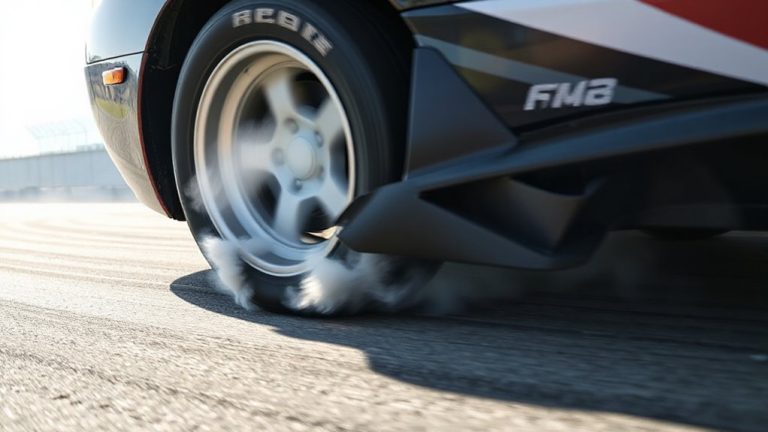
While you might think your car’s paint is tough, it’s actually vulnerable to scratches, chips, and UV damage over time. Paint protection film (PPF) is a clear, thermoplastic urethane layer applied to your vehicle’s exterior surfaces. It acts as a barrier against road debris, abrasions, and environmental contaminants. Modern PPF uses advanced clear coat technology that maintains gloss and resists yellowing. The film typically measures 6 to 8 mils thick, providing durable impact resistance. Many formulations include self-healing properties, allowing the surface to recover from light scratches when exposed to heat-like sunlight or warm water. This healing occurs due to elastomeric polymers in the clear coat that flow and rebound. PPF covers high-impact zones such as hoods, fenders, and bumpers. It’s optically clear, preserving the factory finish while offering measurable protection with tensile strength up to 41 MPa and elongation capacity over 300%. For those seeking long-term preservation, selecting the best car paint protection film can significantly enhance durability and aesthetic retention.
How Does Paint Protection Film Heal Scratches Automatically?
Paint protection film doesn’t just block damage-it can actually repair itself. This is due to its self healing mechanism, which relies on a specially engineered elastomeric polymer layer. When your PPF sustains light scratches or swirl marks, the damage typically only penetrates the top clear coat, not the entire film. The material responds through thermal activation: as the film warms-from sunlight or ambient heat-the polymer chains regain mobility and return to their original, undamaged state. Most healing occurs between 72°F and 104°F. Minor scratches often disappear within one to 24 hours. The polyurethane layer is typically 8–10 mils thick, providing both durability and recovery capacity. This isn’t magic-it’s polymer science. Thermal activation enables continuous repair of surface blemishes, keeping your finish flawless. PPF doesn’t heal deep gouges, but everyday scuffs? It’s got you covered.
Why Doesn’t High-Quality PPF Yellow Over Time?
Because it’s built to resist UV degradation, high-quality paint protection film won’t yellow over time. You’re protected against material degradation thanks to advanced thermoplastic urethane (TPU) formulations. These films contain UV stabilizers and antioxidant additives that neutralize harmful radiation. Without these, prolonged environmental exposure would break down molecular bonds, causing discoloration. Premium PPFs undergo accelerated weathering tests-5,000+ hours of UV and humidity cycles-simulating a decade of use. They maintain clarity with less than 3% haze after testing. Surface treatments also resist oxidation and chemical staining from road grime or car washes. Unlike cheaper alternatives using PVC, which yellow within months, top-tier TPU films have dense, cross-linked polymer structures. This density blocks UV penetration and slows degradation. The result? Long-term optical clarity and protection. Your vehicle’s finish stays shielded, without the film becoming an eyesore. Superior engineering guarantees performance matches appearance over time.
How Does PPF Block UV Damage and Prevent Oxidation?
Since UV radiation and oxidation are major threats to your car’s paint, high-quality paint protection film (PPF) is engineered to stop both at the molecular level. PPF contains UV-absorbing additives that enable effective UV filtration, blocking up to 99% of harmful UVA and UVB rays. This prevents paint degradation, fading, and gloss loss over time. The film’s hydrophobic polymer matrix also provides continuous oxidative shielding by creating a barrier against oxygen, moisture, and environmental contaminants. Without this protection, paint oxidizes, forming a chalky, brittle surface. PPF’s dense molecular structure limits permeability, reducing oxidative reactions by over 90%. Most premium films maintain this performance for 5 to 10 years. Unlike waxes or sealants that degrade within months, PPF delivers long-term protection. Its stability under prolonged sunlight exposure guarantees consistent performance. You get reliable, invisible defense that preserves your finish’s depth, color, and clarity without frequent reapplication.
What Makes PPF Scratch-Resistant? The Role of Polymer Elasticity
While most automotive coatings rely on hardness alone to resist damage, top-tier paint protection films (PPF) use viscoelastic polymers that combine flexibility with resilience to defend against scratches. Your PPF’s scratch resistance comes from its polymer structure, which allows it to absorb impact and rebound. Unlike rigid surfaces that crack under stress, these polymers stretch and return to shape. Molecular resilience enables this self-healing behavior, especially with heat-activated topcoats.
| Property | Value |
|---|---|
| Elongation at Break | Up to 400% |
| Rebound Resilience | 60–70% |
| Shore A Hardness | 85–95 |
| Self-Healing Temp | As low as 72°F (22°C) |
This balance of softness and strength lets the film disperse energy instead of fracturing. The polymer structure flows slightly under pressure, then recovers-like memory foam-retaining clarity and protection over time.
What Separates Top-Tier Paint Protection Films From the Rest?
Three key factors distinguish premium paint protection films from standard options: polymer composition, topcoat technology, and optical clarity. You get superior durability when films use aliphatic polyurethanes, resisting yellowing and cracking over time. Top-tier films feature a sacrificial topcoat with self-healing properties, repairing light scratches when exposed to heat. Film thickness typically ranges from 8 to 10 mils-thicker than budget options-providing enhanced impact resistance without compromising fit. Optical clarity guarantees the film remains nearly invisible, maintaining your car’s factory finish. High adhesive clarity prevents hazing, even after years of UV exposure. The pressure-sensitive adhesive bonds securely without lifting or staining. Unlike lower-grade films that cloud or delaminate, premium versions maintain transparency and edge retention for a decade or more under real-world conditions.
On a final note
You rely on paint protection film to shield your vehicle’s finish. High-quality PPF uses thermoplastic urethane, typically 8–10 mils thick, for impact resistance. Its viscoelastic polymer layer absorbs and distributes kinetic energy, preventing surface damage. A self-healing topcoat, usually silicone-modified polyurea, flows at ambient temperatures to erase light scratches. Premium films include UV stabilizers and non-yellowing aliphatic polymers. They block over 99% of UV radiation, halting oxidation. These features define top-tier PPF performance.