Top Snow Tires for Subaru Outback That Conquer Winter Roads
You need tires that handle snow and ice with confidence, like the Cooper Evolution Winter 225/60R16 98H. It’s 3PMSF-rated, has 12/32nds tread depth, and uses directional zigzag grooves for grip. The Nexen Winguard Sport 2 225/65R17 102H also delivers with 3PMSF certification and added roadside assistance. Both meet Subaru Outback load and size requirements. SCC Z-575 traction chains provide extra security in extreme conditions. There’s more to optimizing winter performance where safety and fitment align perfectly.
We are supported by our audience. When you purchase through links on our site, we may earn an affiliate commission, at no extra cost for you. Learn more. Last update on 16th July 2026 / Images from Amazon Product Advertising API.
Notable Insights
- The Cooper Evolution Winter tire (225/60R16 98H) offers 12/32″ tread depth and 3PMSF rating for superior snow traction.
- Nexen Winguard Sport 2 (225/65R17 102H) provides 3PMSF certification and a higher load capacity of 1,874 lbs per tire.
- Tires must maintain OEM-equivalent diameter within 3% to ensure proper fitment and drivetrain compatibility on Subaru Outbacks.
- Directional tread with deep grooves and 3D siping enhances冰雪 performance and improves handling in winter conditions.
- SCC Z-575 traction chains offer tool-free installation and are safe for use with ABS and AWD systems.
Cooper Evolution Winter 225/60R16 98H Tire

If you’re a Subaru Outback owner tackling harsh winters with deep snow and icy roads, the Cooper Evolution Winter 225/60R16 98H is built for your kind of drive. This radial tire measures 23.54 inches in diameter, with a 225-millimeter section width and 12/32nds tread depth for aggressive snow evacuation. Its directional tread features Snow Groove Technology, trapping snow for better grip on snow-covered surfaces. Multi-angled corrugated siping delivers biting edges in all directions, while the sawtooth center rib boosts stability. It’s 3PMSF-rated, studdable, and carries a 1653-pound load capacity at 44 PSI.
Best For: Drivers of passenger cars and SUVs, like the Subaru Outback, who need reliable traction in deep snow and icy winter conditions.
Pros:
- 3PMSF-certified for superior performance in severe winter weather
- Multi-angled corrugated siping provides excellent multidirectional grip on snow and ice
- Studdable design and Snow Groove Technology enhance ice and snow traction
Cons:
- Tread wear may be faster compared to all-season alternatives
- Limited availability in lower vehicle fitment sizes
- Slightly heavier than some competing winter tires at 21.3 pounds
Nexen Winguard Sport 2 Winter 225/65R17 102H Passenger Tire

I rely on the Nexen Winguard Sport 2 Winter 225/65R17 102H when deep snow and icy roads demand trustworthy traction. It’s 3PMSF-certified, proving it meets strict standards for snow and ice performance. The 3D winter kerf technology increases biting edges, boosting grip. Shoulder block grooves improve cornering on slick surfaces. Its unidirectional tread uses deep, zigzag grooves to channel slush and water, cutting hydroplaning risk. Size 225/65R17 fits my Outback perfectly, with load index 102 (1,874 lbs) and speed rating H (130 mph). Nexen includes 36 months of roadside assistance under their Total Coverage Warranty.
Best For: Drivers in severe winter conditions seeking reliable snow and ice traction with a certified winter tire that fits mid-size passenger vehicles.
Pros:
- 3PMSF-certified for proven performance in deep snow and on icy roads
- Advanced 3D winter kerf technology and shoulder block grooves enhance grip and cornering stability
- Unidirectional tread design with deep zigzag grooves reduces hydroplaning in slush and wet conditions
Cons:
- Treadwear may be shorter compared to some premium winter tire competitors
- Road noise can increase at highway speeds due to aggressive tread pattern
- Limited availability in some regional markets may affect pricing and fitment options
SCC Z-575 Extreme Tire Traction Chains (Set of 2)
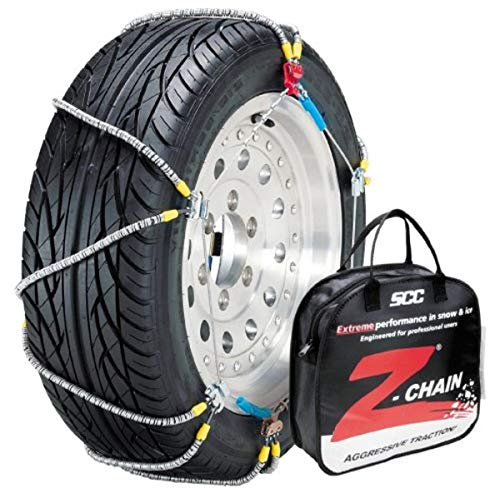
The SCC Z-575 Z-Chain Extreme Performance Cable Tire Traction Chain – Set of 2, is a precision-engineered solution for Subaru Outback owners who face deep snow, ice, or rugged winter terrain where maximum traction meets tight clearance constraints. I rely on its manganese alloy cross members for strength far exceeding standard chains. They resist deformation under load, maintaining grip on packed snow and glare ice. The design complies with S.A.E. Class “S” standards, ensuring fit in tight wheel wells. Installation takes minutes-no moving the vehicle. I slip them on securely, and they stay aligned. They’re safe with ABS, traction control, and AWD systems, delivering responsive grip without interfering with electronics.
Best For: Subaru Outback drivers needing high-strength, easy-to-install tire chains for severe winter conditions with limited wheel well clearance.
Pros:
- Features durable manganese alloy cross members for superior strength and long-lasting performance
- Quick, tool-free installation without moving the vehicle, saving time in harsh conditions
- Compatible with ABS, traction control, and AWD systems while meeting S.A.E. Class “S” clearance standards
Cons:
- Limited to vehicles with S.A.E. Class “S” clearance, reducing universal fitment options
- Cable-based design may offer less bite than aggressive link-style chains on deep snow
- Premium pricing compared to standard tire chains may deter budget-focused buyers
Factors to Consider When Choosing Snow Tires for Subaru Outback
You need to check your Subaru Outback’s tire size compatibility before buying snow tires-most models use P225/60R18 or P225/65R17, and using the wrong size affects handling and safety. Look for tires with a severe snow service rating (3PMSF symbol) and aggressive tread designs like deep circumferential grooves and multi-angle sipes for better snow and ice traction. Make sure the tires meet your load capacity needs and fit properly in your wheel wells without rubbing, especially if you carry heavy loads or use roof cargo.
Tire Size Compatibility
Matching snow tires to your Subaru Outback requires precise attention to size specifications to guarantee safe, effective performance in winter conditions. You must guarantee the tire size matches your vehicle’s factory specs-commonly 225/60R17 or 225/65R17-so it fits properly and clears all components. Always verify the load index and speed rating meet or exceed OEM standards to handle your Outback’s weight and driving demands. Keep the overall diameter within 3% of stock to prevent speedometer errors and ABS malfunctions. Check wheel well and suspension clearance to avoid rubbing, especially when turning or hitting bumps. Mount tires on rims within the manufacturer’s recommended width range-typically 6.5 to 7.5 inches for 225mm tires-for maximum stability and wear. Proper fitment ensures control, safety, and longevity when winter roads turn treacherous.
Winter Performance Rating
Look beyond basic fitment to prioritize how well your snow tires handle extreme winter conditions. Choose tires with the Three-Peak Mountain Snowflake (3PMSF) rating-they’re certified for severe snow performance. This isn’t just a logo; it means the tire passed standardized tests for traction in deep snow and on ice. You’ll get better acceleration, handling, and braking when roads are slick. For real winter grip, pick tires with a tread depth of at least 10/32 inches. Deeper grooves clear snow more effectively and expose more biting edges. Tires built for harsh winters use advanced siping patterns that act like tiny claws on ice. Though tread design aids slush control, it’s the 3PMSF rating and deep, siped tread that confirm true winter capability. That’s what keeps you in control when temperatures drop and snow piles up.
Tread Design Features
When traversing snow-covered roads, the tread design of your tires plays a critical role in maintaining control and confidence. A directional tread pattern channels slush and water away, enhancing snow evacuation and improving traction. Deep circumferential grooves with zigzag designs trap and compact snow, boosting snow-on-snow grip. Multi-angled siping adds biting edges for stronger ice and packed snow performance during acceleration, braking, and cornering. These sipes work with 3D interlocking technology, which reduces tread squirm under load while keeping flexibility in freezing temps. A continuous center rib with sawtooth edges maximizes contact with the road, sharpening steering response and stabilizing straight-line driving. Together, these features deliver precise handling and predictable grip. You’ll benefit from consistent winter traction without sacrificing structural integrity. Look for these design elements-they’re engineered to match the Subaru Outback’s all-weather capability and keep you secure when winter’s at its worst.
Load Capacity Needs
Because your Subaru Outback’s performance in winter depends on more than just tread, you need tires that can safely carry the vehicle’s weight under demanding conditions. Choose tires with a load index that matches or exceeds your manufacturer’s recommendation to guarantee structural integrity and safe handling. A load index of 98 supports 1,653 pounds per tire, aligning with typical axle loads. Exceeding this limit increases wear, reduces traction, and raises blowout risks-especially in cold weather. Most Outbacks use load range SL (Standard Load) tires, rated up to 44 psi, designed for normal passenger loads. Cold temperatures reduce tire pressure, so check inflation monthly. Underinflated tires can’t support their rated load, compromising safety and performance. Always verify load index and inflation guidelines on the driver’s side door jamb or owner’s manual. Proper load capacity guarantees reliability when hauling gear or passengers through snow and ice.
Clearance And Fitment
Proper load capacity sets the foundation for winter safety, but even the strongest tire won’t perform if it doesn’t fit correctly. You must match tire diameter and width to your Subaru Outback’s specs to prevent rubbing against suspension, fenders, or ABS components. Check wheel well clearance by verifying overall diameter and section width stay within factory allowances, especially during full turns or suspension compression. Confirm rim compatibility-bolt pattern (typically 5×114.3mm), center bore (about 56.1mm), and offset (usually +55 to +58) must align for secure mounting and even wear. If using traction devices, select tires meeting S.A.E. Class “S” criteria, ensuring at least 15mm clearance between tire and chassis. Always verify load index and speed rating align with your vehicle’s requirements-commonly 97H or higher-so performance and safety remain uncompromised in winter conditions.
Frequently Asked Questions
How Often Should I Rotate My Snow Tires?
You should rotate your snow tires every 5,000 to 7,500 miles. Regular rotation balances tread wear and preserves traction. Winter tires’ softer rubber compounds wear faster under uneven loads. Rotating them improves longevity and maintains consistent handling. Use the vehicle manufacturer’s recommended pattern-typically front-to-rear for AWD vehicles like the Outback. Check alignment and inflation monthly. Replace tires when tread depth reaches 6/32” for best snow performance.
Can I Mix Different Snow Tire Brands on My Outback?
You shouldn’t mix different snow tire brands on your Outback. Doing so risks uneven traction and handling, especially in icy conditions. All four tires must match in brand, model, size, and tread depth to maintain stability and AWD system integrity. Mismatched tires can cause drivetrain damage over time. For ideal safety and performance, always install a full matching set. Think of it like wearing different shoes while sprinting-balance and control suffer immediately.
Do Snow Tires Wear Faster on Dry Roads?
Yes, snow tires wear faster on dry roads. Their soft rubber compound, designed for flexibility in cold temperatures, abrades more quickly when warm. Tread blocks deform under heat, increasing friction and wear. Studies show winter tires can lose tread 20–30% faster than all-season tires on dry pavement. For best longevity, install them only during winter months and switch to all-season or summer tires when temperatures rise above 45°F.
Is It Safe to Drive on Snow Tires in Summer?
You shouldn’t drive on snow tires in summer-they’re unsafe and wear fast. The soft rubber hardens in heat, reducing traction. You’ll get longer stopping distances and poor handling on dry pavement. Summer temperatures above 45°F accelerate deterioration. Tread wears down quicker, cutting tire life by up to 30%. You also face higher fuel consumption. For safety and efficiency, switch to all-season or summer tires when temps rise.
Should I Mount Snow Tires on Rims of a Different Size?
No, you shouldn’t mount snow tires on rims of a different size. Your Outback’s stability control and ABS rely on consistent tire diameter. Even a 3% difference can disrupt system performance. Tires stretch or wear unevenly on incorrect rims, reducing grip and lifespan. Stick to the manufacturer’s recommended rim width-usually 6.5 to 7.5 inches for 225/60R17 winter tires. Match diameter exactly. It’s safer, smarter, and protects your investment.