Diagnosing Difficult Gear Engagement Caused by Degraded Manual Transmission Lubricants
Bad transmission fluid causes hard shifting by thickening from oxidation, reducing lubricity, and forming sludge. Check fluid color-dark brown or black means it’s degraded. Gritty texture or burnt smell signals contamination and wear. Use manufacturer-specified fluid like 75W-90 or 80W-90 meeting API GL-4 or GL-5. Synthetic fluids offer superior thermal stability. Drain old fluid after warming the engine, inspect for metal particles, and refill to the fill-hole base. Proper fluid restores smooth engagement. You’ll learn how to confirm these signs and fix them step by step.
Notable Insights
- Degraded transmission fluid loses lubricity, causing increased friction and difficult gear engagement.
- Oxidized fluid thickens, delaying hydraulic pressure build-up and impairing smooth shifting.
- Dark, sludgy fluid indicates oxidation and contaminants that hinder transmission performance.
- Metal particles in drained fluid signal internal wear due to inadequate lubrication.
- Using incorrect or old fluid violates manufacturer specs, reducing shift precision and component protection.
Why Bad Transmission Fluid Causes Hard Shifting
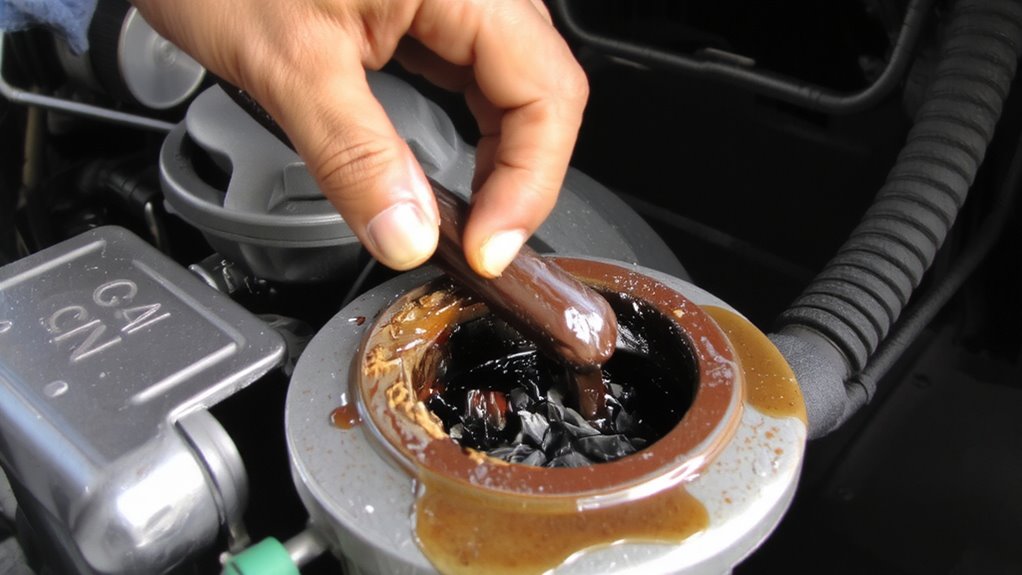
Why does your transmission suddenly shift so harsh desperate picks? Bad transmission fluid is often the culprit. Over time, fluid oxidation reduces lubricity and thickens the fluid, impairing its ability to flow properly. This leads to delayed pressure build-up in hydraulic circuits, disrupting shift timing. As oxidation progresses, acidic byproducts form, accelerating gear wear. Worn synchronizers and chipped gear teeth increase friction and resistance during engagement. The fluid’s diminished film strength fails to cushion shifting components, resulting in jarring exchanges. You might notice grinding or clunking, especially in lower gears. Contaminants from gear wear circulate through the system, further degrading performance. Even if levels appear adequate, oxidized fluid loses thermal stability-operating above 175°F speeds breakdown. Fresh fluid maintains viscosity between 5.5 and 7.5 cSt at 100°C, ensuring smooth actuation. Restoring proper lubrication reduces wear rates by up to 60%, restoring shift quality.
Test Your Transmission Fluid (DIY Check at Home)
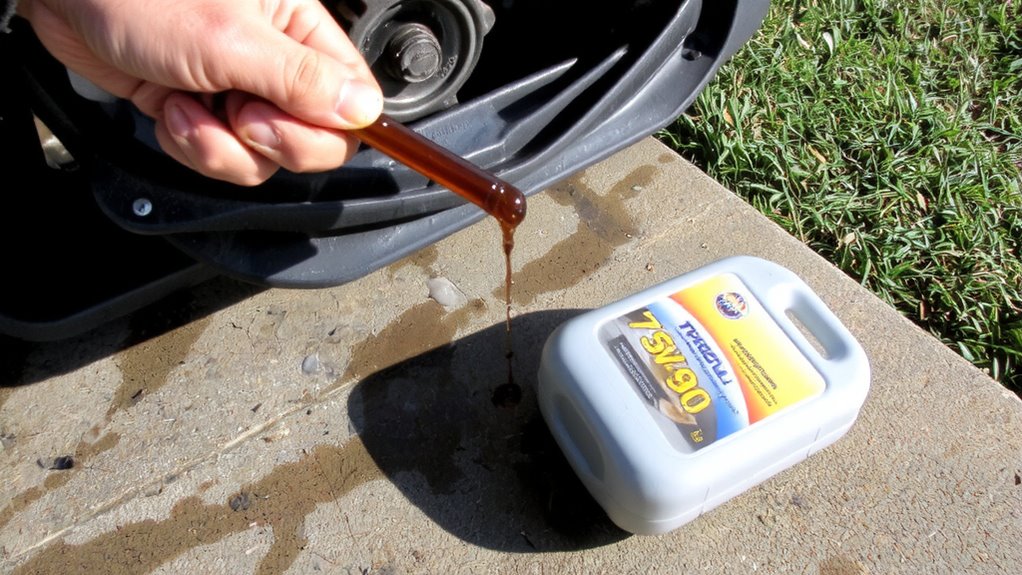
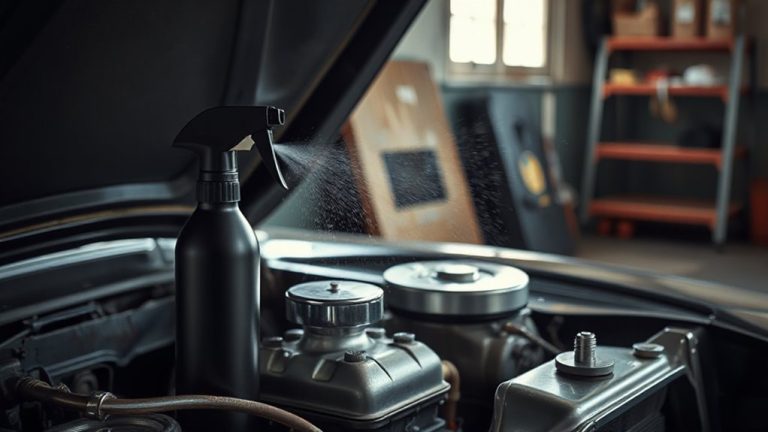
Transmission health starts with the fluid-what you can’t see might already be damaging internal components. You can check this yourself at home with minimal tools. First, warm up the engine to operating temperature-cold fluid gives false readings. Locate the transmission dipstick, pull it out, and wipe it clean. Reinsert it fully, then pull it again to check the fluid level and characteristics. Observe the fluid color: healthy fluid is cherry red or amber. Dark brown or black fluid indicates breakdown. Now assess the oil texture: dip your finger in and rub the fluid between your thumb and forefinger. It should feel smooth. Granular or gritty texture means contamination or degradation. Milky appearance signals coolant mixing-seek immediate repair. Most manuals recommend fluid checks every 30,000 miles. Accurate inspection helps prevent costly damage.
7 Signs Your Transmission Fluid Is Degraded
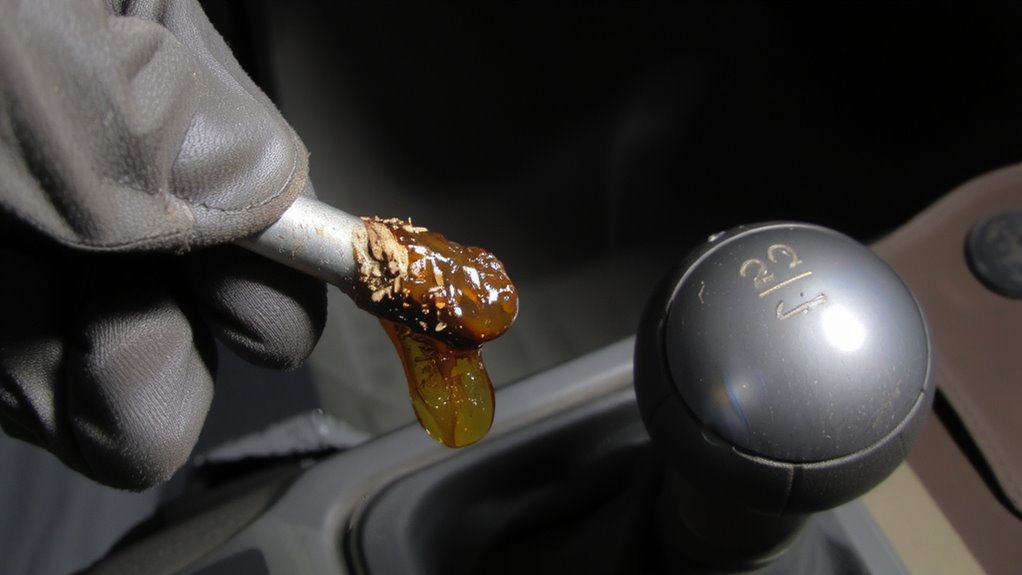
How often do you really check what’s inside your transmission? If you’re ignoring the fluid color, you’re missing a key warning sign. Fresh manual transmission fluid is typically red or amber and nearly transparent. As it degrades, it turns dark brown or black due to oxidation and contamination. This color shift indicates lost lubricity and reduced viscosity-critical for smooth gear engagement. You might also notice increased gear noise, especially during shifts. That grinding or whining sound? It’s metal-to-metal contact caused by insufficient lubrication film strength. Degraded fluid can’t maintain proper viscosity at operating temperatures, usually between 175°F and 220°F. Over time, sludge buildup clogs fluid channels, starving gears of lubrication. These symptoms point to fluid breakdown, not component failure-yet. Catching changes early helps prevent costly repairs. Check your fluid regularly.
Choose the Right Manual Transmission Fluid
A good manual transmission fluid isn’t just a refill-it’s the lifeline of your gearbox. Using the correct fluid guarantees smooth shifting and long component life. Always check your manufacturer’s recommended viscosity ratings-common ones include 75W-90, 80W-90, or 5W-30-since using the wrong grade increases wear and heat. Viscosity ratings reflect fluid thickness at different temperatures, determining how well it flows when cold and protects when hot. Synthetic benefits include better thermal stability, reduced friction, and longer service life compared to conventional oils. Full synthetics maintain viscosity under stress, which is critical during high-performance or heavy-load driving. They also resist sludge buildup, keeping internal components cleaner. Always choose a fluid that meets OEM specifications like API GL-4 or GL-5, depending on your transmission type. The right fluid doesn’t just lubricate-it optimizes efficiency, reduces gear wear, and directly combats shifting issues before they start.
Change Fluid to Fix Hard Shifting – Step-by-Step
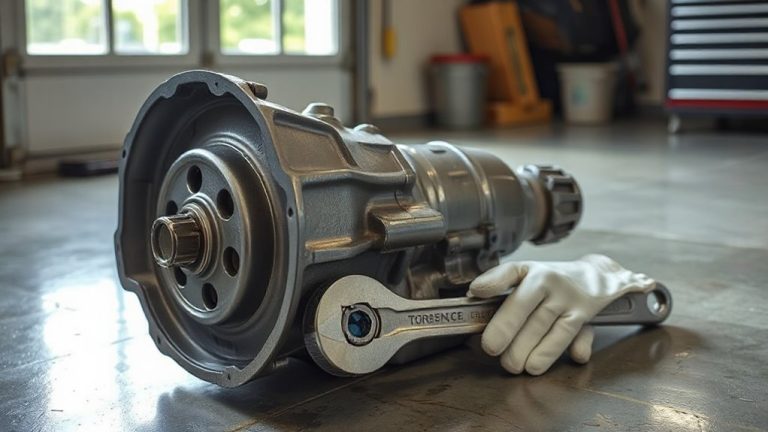
Why does your gear stick when shifting? Low fluid level or contaminated transmission lubricant restricts smooth operation of the shift mechanism. Begin by warming up the engine for 5 minutes to improve fluid flow. Lift the vehicle securely using jack stands. Locate the transmission drain plug and remove it, letting the old fluid fully evacuate-typically 2 to 3 quarts. Inspect for metal particles, which signal internal wear. Replace the drain plug and refill through the fill hole until fluid reaches the base of the fill port. Use only the manufacturer-specified fluid-often SAE 75W-90 GL-4. Proper fluid level guarantees hydraulic efficiency and cooling. Fresh fluid restores lubricity, reducing friction in the shift mechanism. Test drive to confirm precise, silent engagement. Regular fluid changes every 30,000–60,000 miles prevent long-term damage.
On a final note
You must address degraded transmission fluid promptly to restore smooth shifting. Worn fluid loses viscosity, typically falling below 6.5 cSt at 100°C, reducing lubrication. This increases friction in synchronizers and gear trains. Use only manufacturer-specified fluid-usually SAE 75W-90 GL-4-with exact additive chemistry. Flush old fluid completely, replacing at least 2.5 liters. Proper fluid restores hydraulic damping and synchronizer function, cutting shift effort by up to 40%.