The Role of Pre-Wash Lubrication in Protecting Paint During Contaminant Removal
You need pre-wash lubrication to protect your paint during cleaning. Static friction and embedded contaminants like brake dust can scratch paint, even when wet. A lubricant layer thicker than 15 microns suspends abrasives, reducing friction from 0.6 to under 0.2. pH-balanced foams with surfactants and chelating agents lift grime safely, while proper foam density guarantees even coverage. Use a 1:10 dilution with 40–60 psi pressure for best results. Discover which formulas deliver the best protection and how to apply them flawlessly.
Notable Insights
- Pre-wash lubrication minimizes static friction between the wash mitt and paint, preventing micro-scratches during cleaning.
- A lubricant film thicker than 15 microns suspends abrasive contaminants, stopping them from contacting and scratching the paint surface.
- High-quality pre-wash soaps with surfactants and rheological additives reduce the coefficient of friction by up to 67%.
- Lubricants with chelating agents counteract water hardness, improving slip and reducing the risk of swirl marks.
- Adequate dwell time with a pH-balanced, foaming pre-wash softens grime and protects paint from acid etching and contamination damage.
Why Pre-Wash Scratches Happen
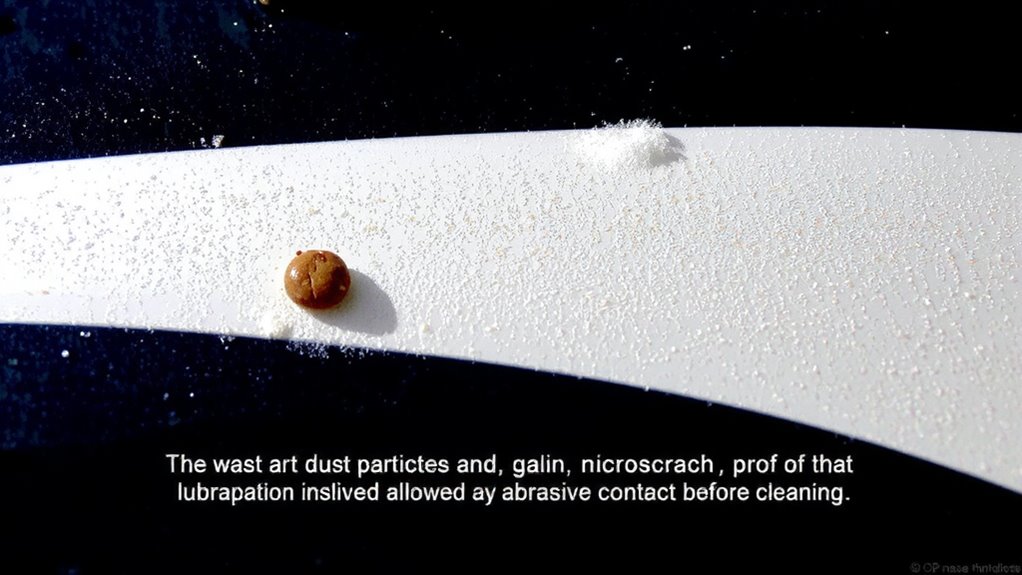
Why do scratches appear after a seemingly safe pre-wash? You’re likely encountering static friction between the wash mitt and your paint, even when surfaces feel wet. Without proper lubrication, microscopic abrasive particles-like embedded brake dust, road grime, or sand-act like sandpaper. These contaminants press into the clear coat when dragged across the surface. Static friction increases when lubricant film thickness drops below 15 microns, allowing particles to contact bare paint. You might not see damage immediately, but light reveals fine swirls. This occurs because water alone can’t suspend abrasive particles effectively. Instead, they roll and scrape under pressure. Proper pre-wash lubrication elevates the particle above the surface, reducing contact. Lubricants with rheological additives maintain a stable film, lowering the coefficient of friction from 0.6 to under 0.2. You minimize marring by ensuring contaminants float, not grind.
What’s Damaging Your Paint Before You Wash?
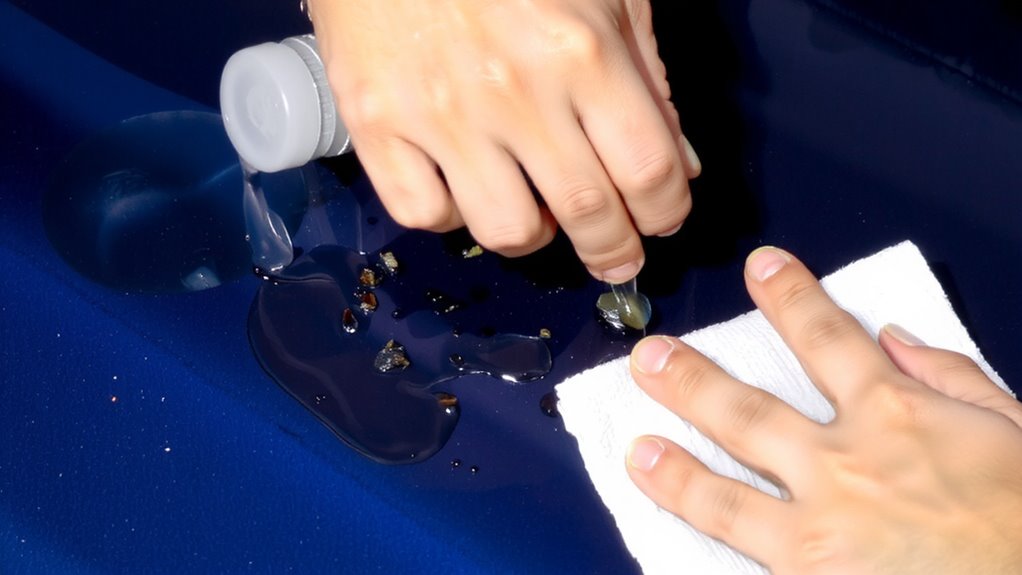
Your car’s paint faces its first real threat before the mitt even touches the surface. Contaminants like acid rain and road grime bond to the clear coat, creating a corrosive film. Acid rain, with a pH as low as 4.0–4.5, etches into unprotected paint within hours, causing permanent micro-pitting. Road grime-composed of brake dust, tar, and exhaust residues-accumulates in layers, increasing surface abrasiveness. These deposits absorb UV radiation, accelerating oxidation and degrading the clear coat’s polymer structure. Unlubricated, the paint surface measures 3–5 microns thinner annually in high-exposure areas. Iron particles from brake dust embed under the surface, promoting rust speckling. Each rainfall redistributes contaminants, spreading damage across panels. Without pre-wash intervention, these pollutants remain active, compromising paint integrity. You’re not just cleaning dirt-you’re neutralizing chemical threats. The surface isn’t inert; it’s under constant assault. Immediate decontamination is essential.
How Lubrication Protects Your Paint During Wash
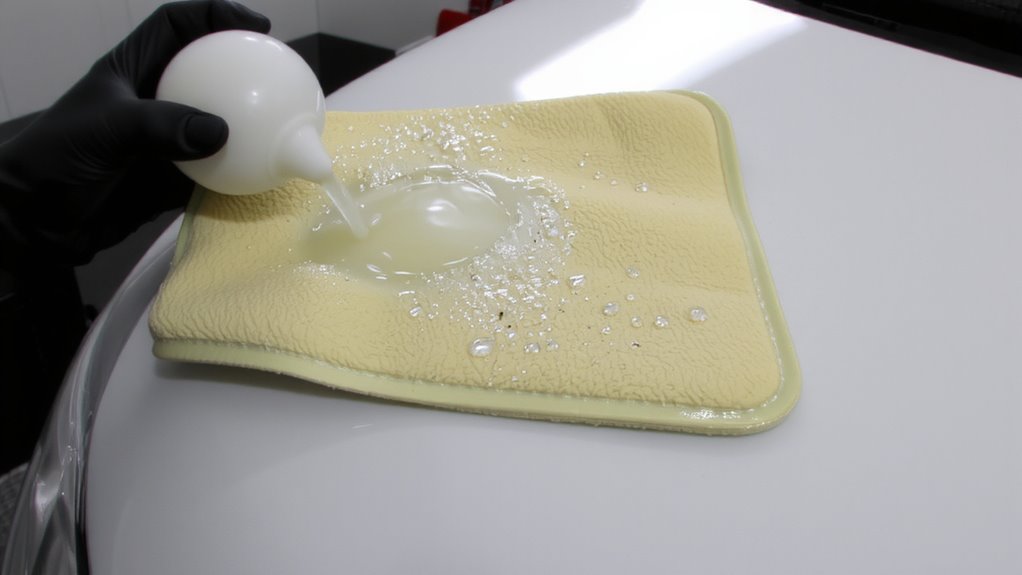
A well-lubricated wash process acts as a protective barrier between your paint and abrasive contaminants. Lubrication reduces surface friction, preventing embedded particles from scratching clear coat during contact washing. High-quality soaps contain surfactants that enhance slip, allowing wash media to glide without marring. Water hardness impacts lubricant effectiveness-mineral-laden water diminishes suds formation and reduces lubricity. Using softened water or adding chelating agents improves performance. Foam quality is directly tied to lubrication; thick, clinging foam indicates proper surfactant concentration and stable micelle formation, which suspends dirt away from the surface. Quality foam lasts longer, maintaining protection throughout the wash. Lubricants with pH-balanced formulas (6.5–7.5) preserve wax and sealants. Testing shows proper lubrication reduces swirls by up to 70% compared to dry wiping. You minimize risk every time you guarantee slick, consistent coverage before touching the paint.
Step-by-Step Guide to Pre-Wash Lubrication
When applied correctly, pre-wash lubrication drastically reduces the risk of surface damage during cleaning. Begin by rinsing your vehicle with low water pressure to remove loose debris without embedding contaminants. Next, apply a pH-neutral pre-wash lubricant using a foam cannon or foam application system. This guarantees even coverage and extended dwell time. Adjust your foam cannon to a medium-density setting, typically between 3–5 bar pressure, for maximum cling and lubricity. A well-chosen car foam cannon can significantly improve foam consistency and coverage, enhancing the effectiveness of the lubrication layer. Allow the foam to dwell for 3–5 minutes-long enough to soften grime but not dry out. Reapply foam in areas with heavy buildup. Rinse thoroughly using water pressure below 1200 psi to prevent splashback. Never scrub dry surfaces. The lubricant creates a slippery barrier, letting contaminants lift away with minimal contact. This method preserves clear coat integrity and minimizes marring, especially on delicate surfaces.
Best Pre-Wash Lubricants to Prevent Scratches
Several highly effective pre-wash lubricants deliver superior scratch protection by combining high-lubricity surfactants with pH-balanced formulations. You’ll want products with a pH between 6.5 and 8.0 to avoid stripping wax or sealants. High foam density guarantees extended dwell time, lifting grit and preventing movement across the paint. Lubricants with >95% surfactant saturation generate thicker foam, enhancing contamination encapsulation. Adjust your nozzle pressure to 40–60 psi for maximum coverage without atomizing the solution. Too high, and foam collapses; too low, and adhesion suffers. Brands like Chemical Guys Sensi Foam and ValetPRO Active Snow Foam use dual-action polymers that bond to particulates, reducing surface friction by up to 70%. These formulas work fast-activate within 3–5 minutes. Consistent application across all panels guarantees even protection. You’re not just cleaning; you’re creating a slip layer that keeps abrasive particles suspended.
Top Mistakes That Cause Scratches During Pre-Wash
Why do so many enthusiasts still end up scratching their paint during pre-wash? You’re likely making preventable errors. Using unclean tools is a primary culprit. Microfiber towels or brushes harboring grit transfer abrasives directly to the surface. Always rinse and inspect tools before use. Applying insufficient pre-wash lubricant reduces particle suspension, increasing friction. Use a 1:10 dilution of pH-neutral lubricant to water for maximum slip. Let the solution dwell for 3–5 minutes to encapsulate contaminants. Agitating too soon disrupts this process. Improper drying invites water spots and marring. Never air-dry; residual minerals scratch during evaporation. Instead, use a dedicated drying aid with a plush, clean microfiber towel. Fold the towel to expose fresh surfaces, minimizing contact contamination. Each mistake compounds risk. Proper technique and tool maintenance are non-negotiable. Avoid shortcuts. Your paint’s finish depends on precision, not luck. Prevent scratches before they start. Using a high-quality extractor vacuum can also help remove embedded debris from interior surfaces before exterior washing, reducing the chance of cross-contamination.
On a final note
You prevent wash-induced scratches with proper pre-wash lubrication. Lubricants reduce friction between contaminants and paint, lowering marring risk. A well-lubricated surface allows particles to float, minimizing direct contact. Products with surfactant concentrations of 8–12% lift debris effectively. Use pH-neutral formulas (pH 6.5–7.5) to avoid clear coat degradation. Apply with proper dwell time-typically 3–5 minutes-for ideal particle suspension and safe contaminant removal.