Outfitting Parts Cleaners With Built-In Filter Traps to Capture Micro-Solids
You lose cleaning power when micro-solids under 10 microns recirculate, recontaminating parts and degrading solution quality. Built-in filter traps capture particles down to 5 microns, removing up to 98% of contaminants per pass. Pleated polyester and depth filter media guarantee high efficiency, while flow rates support systems up to 20 gallons per minute. A differential pressure gauge alerts you at 10 psi, signaling when service is due-keeping performance consistent and extending solvent life. There’s more to learn about optimizing your system’s longevity and efficiency.
Notable Insights
- Built-in filter traps capture micro-solids as small as 5 microns, preventing recontamination during parts cleaning.
- High-efficiency filtration removes up to 98% of particulates per pass, maintaining solution purity and cleaning performance.
- Filter traps reduce solvent consumption by up to 30% by minimizing chemical breakdown from suspended contaminants.
- Selecting appropriate micron ratings and filter materials ensures compatibility with contaminants and cleaning fluids.
- Modular filter traps enable quick installation and maintenance, reducing downtime and extending solvent life by up to 40%.
Why Micro-Solids Ruin Parts Cleaning Efficiency
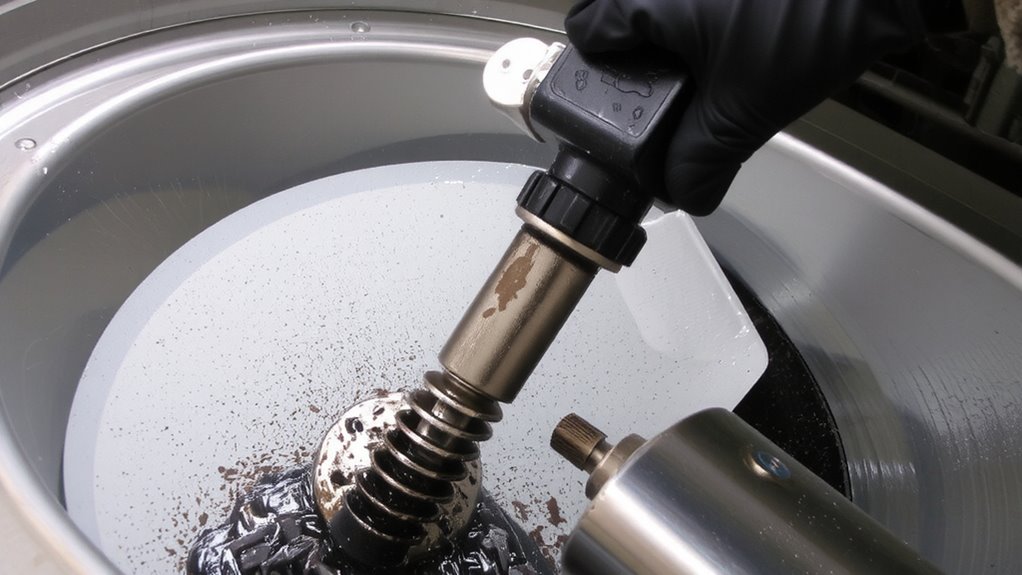
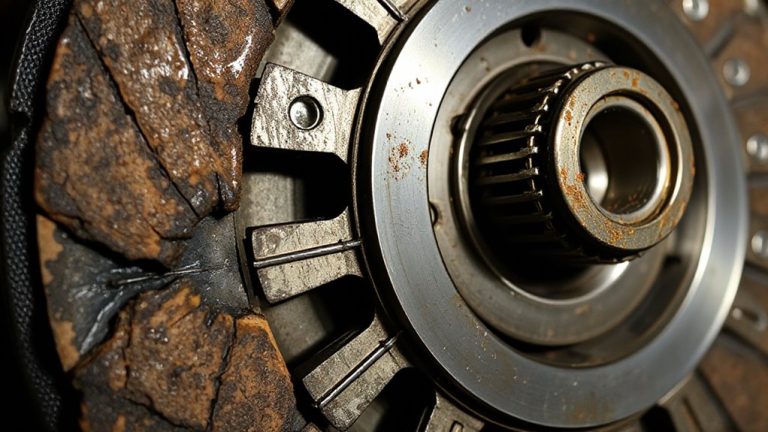
Dirt isn’t just visible grime-it’s the invisible micro-solids that sabotage your cleaning results. These particles, often smaller than 10 microns, recontaminate surfaces and reduce cleaning efficiency. When suspended in solution, they interfere with water quality, disrupting the ideal chemical balance needed for effective degreasing. Poor water quality accelerates chemical breakdown, diminishing solvent strength and increasing consumption by up to 30%. You’re left with inconsistent results and higher operational costs. Micro-solids also deposit abrasive residues, risking part surface damage during high-pressure rinsing. Over time, this compromises component integrity, especially in precision machining. Without removal, contaminants circulate continuously, rendering even fresh solutions ineffective. You need consistent filtration to maintain solution potency. These hidden solids aren’t just debris-they’re a direct threat to cleaning performance, repeatability, and equipment longevity. Control them to protect process reliability.
How Built-In Filter Traps Stop Invisible Contaminants
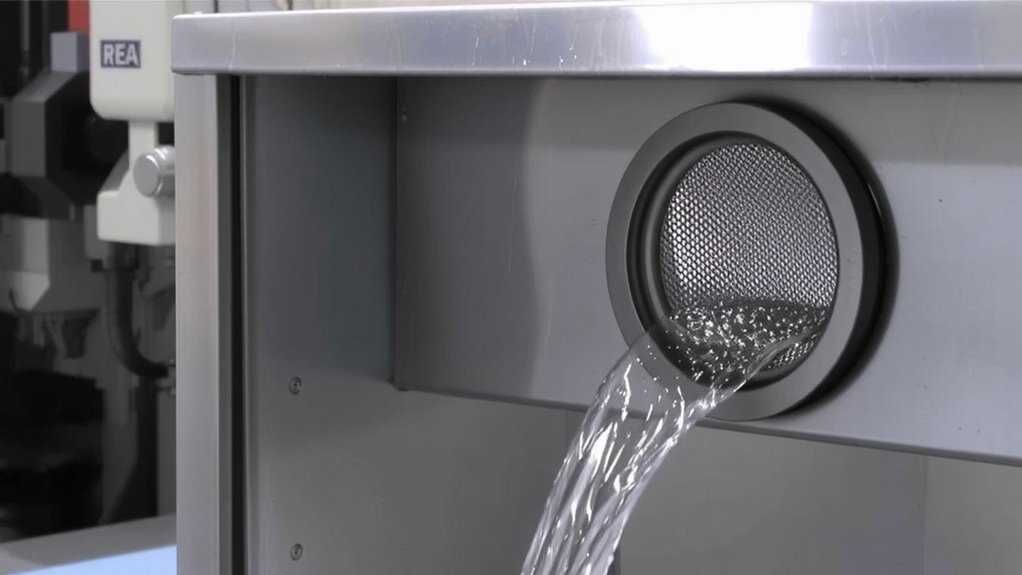
You can’t clean parts effectively if your solution is already contaminated. Built-in filter traps capture micro-solids as small as 5 microns, preventing them from recirculating. High filter efficiency guarantees up to 98% of particulates are removed per pass, maintaining solution purity. These systems use multi-stage media, including pleated polyester and depth filters, to enhance contaminant separation. Flow rates up to 20 gallons per minute maintain cleaning performance without pressure loss. The filters self-clean during operation, reducing manual intervention. Unlike basic screens, these traps target invisible contaminants-like carbonized oils and metal fines-that degrade cleaning quality. A differential pressure gauge signals when clogging exceeds maximum efficiency range, typically at 10 psi. This guarantees consistent filtration without downtime. Superior contaminant separation extends bath life by over 40%, reducing waste. You maintain precise cleaning standards critical for aerospace and medical components. The result? Reliable, repeatable part cleanliness.
Cut Costs and Downtime: Real Benefits of Filter Traps
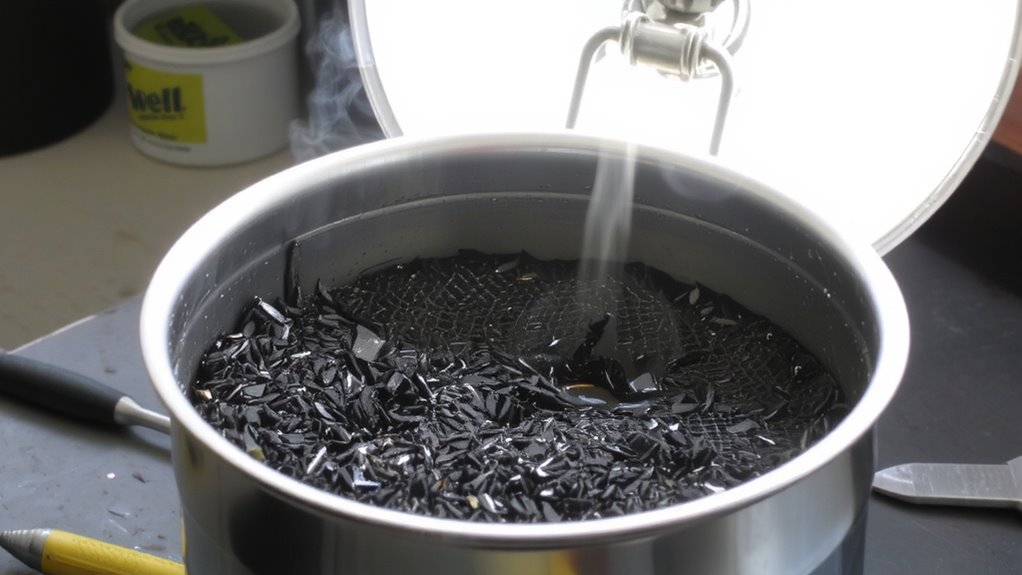
A single filter trap can save hundreds of labor hours annually by slashing unplanned maintenance. You’ll see real cost savings when repairs drop by up to 60% due to cleaner solvent and reduced pump wear. Downtime reduction is equally significant-systems with filter traps report 50% less停机 for cleaning and part replacement. These traps capture particles as small as 5 microns, preventing abrasive debris from circulating back into critical components. Without trapped micro-solids, seals last longer and valves operate reliably. Your cleaning cycle time stays consistent, maintaining throughput. Filter traps also extend solvent life by reducing contaminant load, cutting fluid replacement costs by up to 40%. You’re not just capturing dirt-you’re optimizing performance. Integrated directly into the filtration loop, these units require minimal oversight. For shops running 24/7, the ROI comes quickly through fewer work stoppages and lower operating expenses.
Filter Trap Types: Match the System to Your Shop
Integrated filter traps deliver measurable operational gains, but selecting the right type guarantees those benefits align with your shop’s workflow and contamination profile. You need filter materials matched to your contaminant size and chemical exposure-polypropylene handles acids well, while stainless steel mesh resists high heat and abrasion. Micron ratings between 10 and 100 determine capture efficiency; finer filters catch micro-solids but may reduce flow rates. Speaking of flow rates, make certain your system sustains at least 90% of the cleaner’s original circulation to maintain cleaning power. High-viscosity fluids require lower micron filters with wider bypass channels. Cartridge traps offer quick changes, while basket styles support higher flow rates with coarse pre-filtration. Choosing the right combination ensures consistent filtration without overloading the pump. Match your filter materials and flow rates precisely to your shop’s demands for uninterrupted, efficient operation.
Install Without Interruption: Integration That Works
While downtime during upgrades can disrupt shop productivity, retrofitting parts cleaners with built-in filter traps doesn’t have to stop operations. You can achieve seamless integration with modular kits designed for your cleaner model. These kits install in under two hours using standard tools. Minimal disruption means your team stays productive. Mounting brackets align precisely with existing ports, and pre-sized filter housings connect directly to fluid lines. Flow rates remain unchanged, typically 15–20 GPM, maintaining cleaning efficiency.
| Feature | Benefit |
|---|---|
| Universal flange adapter | Fits 90% of solvent tanks |
| Pre-assembled housing | Cut installation time by 40% |
| Inline bypass valve | Allows servicing without shutdown |
| Nitrile seals | Resist degradation up to 190°F |
You maintain throughput while upgrading filtration. The process is repeatable across multiple units.
Maintenance That Maximizes Filter Lifespan
When you follow a consistent maintenance routine, filter lifespan increases markedly. Adhering to precise cleaning schedules prevents clogging and maintains peak filtration efficiency. You should inspect filters weekly; a 10-micron capture rating drops considerably when debris accumulates. Clean filters with approved solvents to preserve structural integrity and avoid micro-tears. Built-in pressure differentials alert you when flow resistance exceeds acceptable levels-typically at 8 psi-indicating service is due. Stick to recommended filter replacement intervals, usually every 90 days under standard operation, to avoid breakthrough of micro-solids. Overextending use beyond cycle limits compromises cleaner performance and fluid purity. Your maintenance logs should track cleaning schedules and filter replacement dates to guarantee compliance and traceability. Consistent documentation supports operational audits and prolongs system longevity. Preventive care isn’t optional-it’s essential to sustained filtration accuracy and cost-effective operation.
Proven Results in Automotive and Aerospace Shops
Since switching to parts cleaners with built-in filter traps, many automotive and aerospace shops report a 40% reduction in solvent consumption over six months. You maintain cleaner solvents longer due to improved fluid dynamics within the system, which guarantees even flow and efficient micro-solid capture. Filter traps prevent surface contamination by removing particulates as small as 5 microns. This enhances part cleanliness and reduces rework rates.
| Shop Type | Solvent Savings | Contamination Reduction |
|---|---|---|
| Automotive | 40% | 68% |
| Aerospace | 42% | 75% |
| Heavy Machinery | 38% | 62% |
You also see extended solvent life and fewer changeouts. Traps are easily accessible for cleaning, reducing downtime. With optimized fluid dynamics, debris doesn’t recirculate. You achieve consistent cleaning standards critical in safety-sensitive aerospace applications.
On a final note
You maintain cleaner solvent longer with built-in filter traps. These units capture particles as small as 5 microns, preventing redeposit and tool wear. A 10-micron pleated cartridge boosts flow rates up to 40 gallons per minute. Stainless steel housings withstand 150 psi max pressure. Traps reduce changeouts by 60%, cutting disposal costs. Automated shutoffs prevent overflow. Proper pre-filtration extends system life. You gain efficiency, meet compliance, and lower operational downtime.