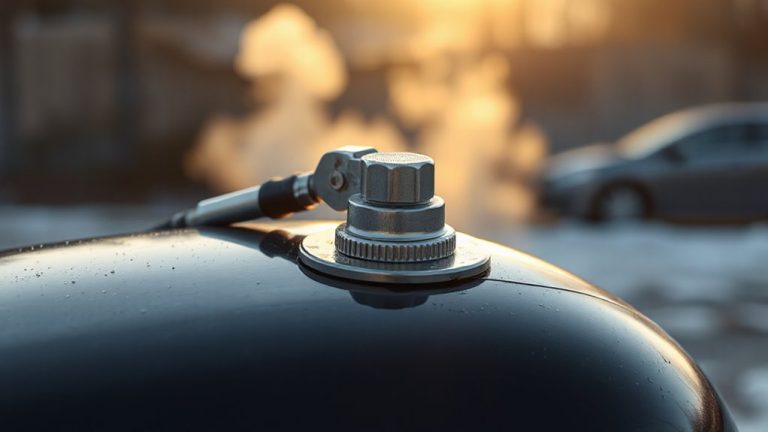
Creating an Airtight Seal on Vent Tubes to Stop Evaporation in Idle Gas Tanks
You stop fuel evaporation by sealing vent tubes with fluorosilicone O-rings and a threaded ABS plug matched to the tube’s 3/8” to 1/2” diameter. These components resist ethanol, heat, and pressure up to 1,500 psi. Apply 2–3 layers of butyl rubber tape with 50% overlap for a vapor-tight bond. Use 2 wraps of PTFE tape on threads and torque to 5–7 in-lbs. A proper seal prevents oxygen and moisture ingress, preserving octane and preventing phase separation. Misaligned or cracked seals can leak over 1.2 g/h hydrocarbons-your next step guarantees long-term stability.
Notable Insights
- Use fluorosilicone O-rings to seal vent tubes, as they resist fuel vapors and ethanol blends in temperature extremes.
- Install a threaded ABS or PVC plug matched to the vent tube diameter for a secure, airtight closure.
- Apply 2–3 layers of butyl rubber tape with 50% overlap to create a vapor-tight seal around the connection.
- Avoid polyurethane foam seals, which degrade quickly when exposed to fuel vapors and heat.
- Ensure clean, dry surfaces and proper torque (5–7 in-lbs) to prevent leaks and maintain seal integrity.
Why Fuel Evaporates in Stored Tanks
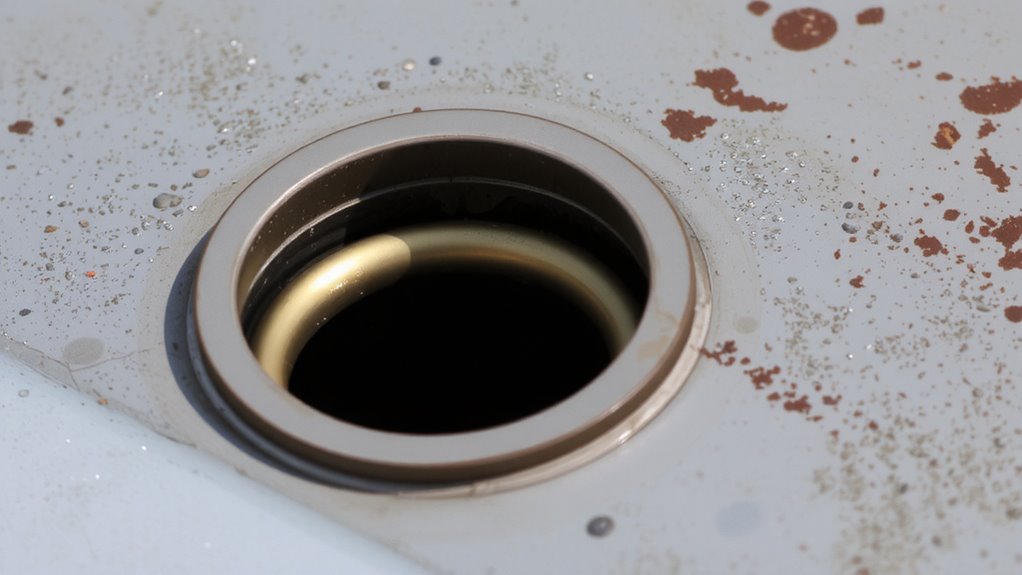
Why does fuel evaporate in stored tanks over time? Fuel oxidation begins when oxygen reacts with hydrocarbons, degrading fuel quality and forming gums. This chemical breakdown accelerates in fluctuating temperatures. Tank condensation occurs as warm air enters the tank, cools overnight, and releases moisture. Water droplets mix with fuel, promoting phase separation-especially in ethanol blends. Each temperature cycle increases vapor pressure, pushing volatile compounds toward the ullage space. Without an airtight seal, these vapors escape, but even sealed tanks face internal evaporation. Fuel oxidation lowers octane ratings by 2–5 points over 90 days. Condensation contributes to microbial growth, clogging filters at concentrations above 200 ppm. The combination of heat, oxygen, and moisture creates a continuous evaporation cycle. You’ll lose 1–3% of fuel volume monthly under normal conditions. Preventing this requires blocking air exchange and minimizing temperature swings. Control begins with understanding these internal mechanisms.
How Vent Tubes Leak Fuel Vapor Over Time
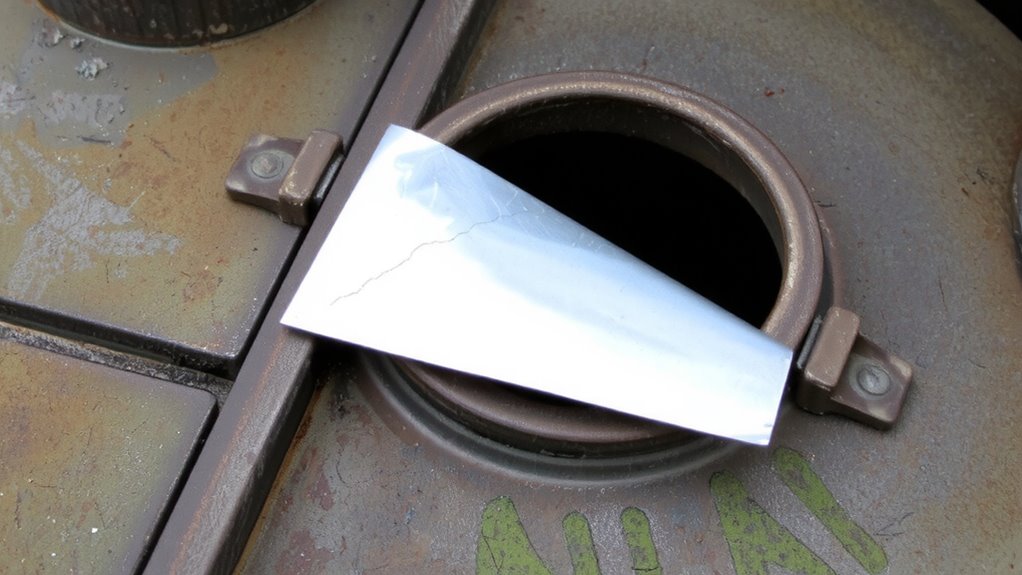
Vent tubes in fuel systems aren’t designed to hold pressure-they’re meant to equalize internal tank pressure as fuel levels change. You might not realize it, but every time temperature shifts, fuel volatility increases, pushing vapor pressure beyond the liquid’s boiling point. This causes fuel vapors to escape through the vent tube. Modern gasoline has high vapor pressure, especially in warm conditions-often exceeding 9 psi Reid vapor pressure (RVP) in summer blends. As the tank heats, expanding vapors flow out the vent. Over time, this repetitive venting depletes fuel volume. Even small daily temperature swings drive continuous vapor loss. Unlike liquid leaks, vapor leaks are invisible, making them easy to overlook. Fuel volatility guarantees that lighter, more volatile compounds escape first, degrading fuel quality. Without a seal, the vent remains a constant exit path. Each cycle of expansion and contraction pulls in air, further accelerating evaporation. You’re losing both fuel and efficiency over time-silently, steadily.
Top Materials for Sealing Vent Tubes
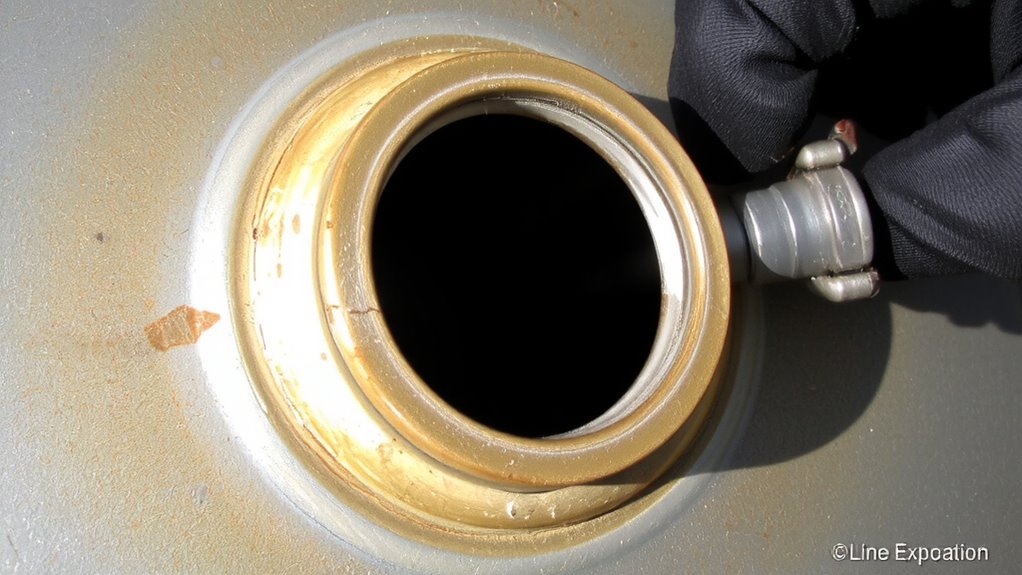
While some fuel system leaks are obvious, sealing vent tubes requires materials that withstand constant exposure to hydrocarbon vapors and temperature fluctuations. You need high material durability to resist swelling, cracking, or degrading over time. Fluorosilicone O-rings offer excellent seal compatibility and handle ethanol blends and gasoline vapors well. They typically endure temperatures from -75°F to +400°F. Viton® sleeves are another top choice, with superior resistance to ozone, heat, and fuel breakdown. They maintain integrity under pressures up to 1,500 psi. For threaded connections, use PTFE tape rated for fuel systems-just two wraps prevent leaks without overbuilding. Polyurethane foam seals fail quickly, so avoid them. Instead, choose pre-molded rubber grommets made from nitrile butadiene rubber (NBR), which balance flexibility and material durability. Always verify seal compatibility with your tank’s vapor composition.
How to Seal Vent Tubes Step by Step
You’ll need the right tools and materials to get a reliable seal on vent tubes, and starting with a clean, dry surface is critical. Begin with cap installation using a threaded ABS or PVC plug rated for fuel vapor resistance. Make certain the cap size matches the tube’s outer diameter-typically 3/8″ to 1/2″-and tighten it fully with a wrench to compress the integrated seal. Next, perform tape wrapping using 2–3 layers of butyl rubber tape over the threaded joint. Stretch the tape slightly as you wrap to activate its adhesive properties, ensuring a vapor-tight bond. Overlap each layer by 50% for redundancy. Sealant tape must extend at least 1″ beyond the cap base. This dual-method approach-mechanical cap installation plus adhesive tape wrapping-creates a fail-safe barrier. It reduces vapor escape to less than 0.1 g/h, meeting EPA evaporative emission standards for storage.
Mistakes That Ruin Your Fuel Seal
Getting the seal right on vent tubes keeps fuel vapors contained and your system compliant. Improper tool selection is a common error that compromises seal integrity. Using tools not rated for fuel-grade materials can deform tubing or fittings, creating micro-leaks. Always use torque-controlled wrenches set to 5–7 in-lbs for threaded connections. Damaged seal components, such as cracked O-rings or warped flanges, immediately void airtight performance. Inspect each component under 10x magnification before assembly; even 0.003-inch surface imperfections cause leaks. Nitrile seals rated for Buna-N 70 Shore A hardness are recommended for ethanol blends. Misalignment during installation generates uneven compression, accelerating wear. Position seals squarely over grooves with zero twist. A failed seal allows up to 1.2 grams of hydrocarbon emissions per day-exceeding EPA limits. Replace all aged or contaminated parts before assembly.
On a final note
You’ve now secured your fuel tank against vapor loss. A proper seal prevents ethanol degradation and pressure imbalances. Use 5mm silicone O-rings with 70 Shore A hardness for compatibility. Install with PTFE-threaded tape on 1/8″ NPT fittings. Guarantee seals reach 3 psi burst pressure. Avoid rubber gaskets-they swell. Your system should pass a 24-hour soap-bubble leak test. This maintains fuel integrity during long storage.