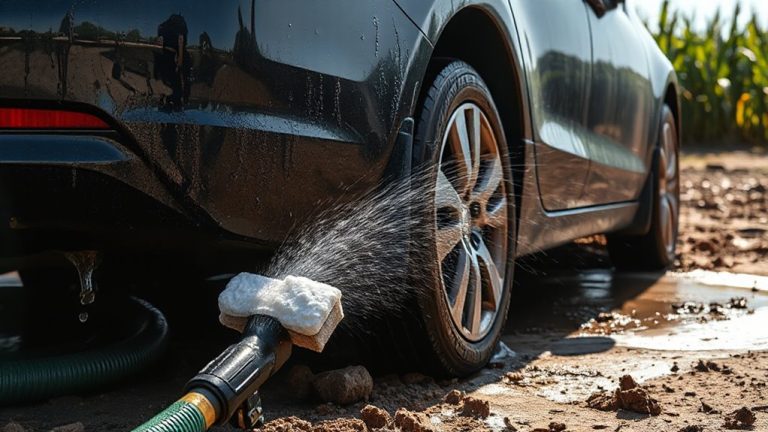
Why Dedicated Winter Wheels Save Money on Tire and Rim Maintenance
You save money with dedicated winter wheels by avoiding repeated mounting and dismounting, which subjects tire beads and wheel flanges to 1,500–3,000 psi of force each cycle. This stress causes wear, increasing risks of air leaks and bent rims over time. Alloy wheels face corrosion from road salt, while constant handling accelerates tire wear. With a separate set of wheels, you eliminate biannual labor costs, preserve tread integrity, and reduce long-term damage to tires and rims-keeping your all-season set protected. There’s more to how this setup optimizes performance and value.
Notable Insights
- Avoid repeated mounting and balancing fees by eliminating biannual tire changes with dedicated winter wheels.
- Prevent rim and tire damage from frequent handling, reducing risks of bead leaks and bent wheel flanges.
- Extend winter tire life by minimizing bead and sidewall wear from dismounting and remounting.
- Speed up seasonal swaps with pre-mounted wheels, cutting labor time and shop costs by up to 50%.
- Protect alloy rims from salt and corrosion while preserving tread and reducing long-term maintenance expenses.
Why Swapping Winter Tires Costs You More
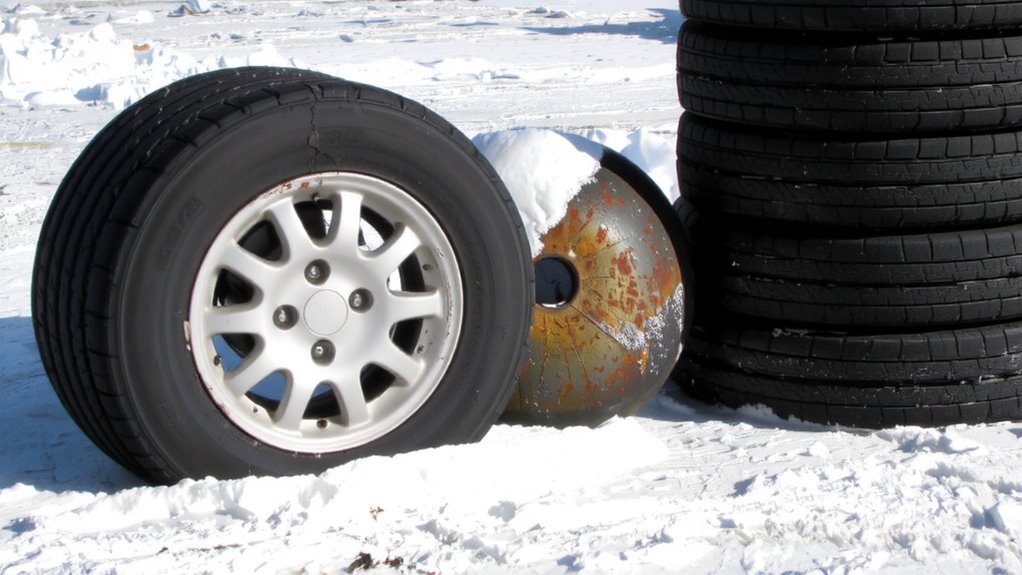
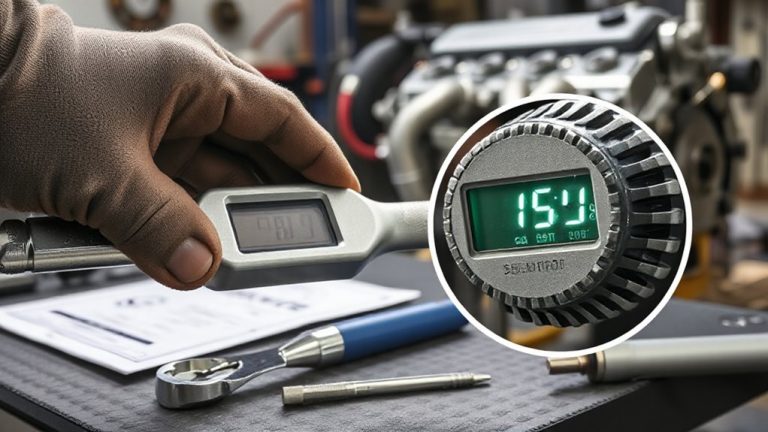
Why pay twice for labor when you could avoid it altogether? Every time you swap tires, you’re paying for mounting and balancing services-twice per year. That adds up fast. Without dedicated winter wheels, your same rims endure repeated dismounting and remounting, accelerating increased wear on both tires and wheel edges. The stress from frequent handling raises the risk of bent flanges and air leaks. Over time, this wear contributes to alignment issues, especially if the wheel isn’t reinstalled with precise torque specs. Misaligned wheels lead to uneven tread wear, reducing tire life by up to 25%. Proper lug nut torque-typically 80–100 ft-lbs, depending on your vehicle-must be re-verified each time. Even slight deviations affect camber and toe angles. These subtle shifts decrease handling accuracy and fuel efficiency. Instead of risking damage and recurring costs, investing in dedicated winter wheels eliminates repeated service cycles, preserves tire integrity, and maintains factory alignment settings all season.
How Mounting and Dismounting Damages Your Rims and Tires
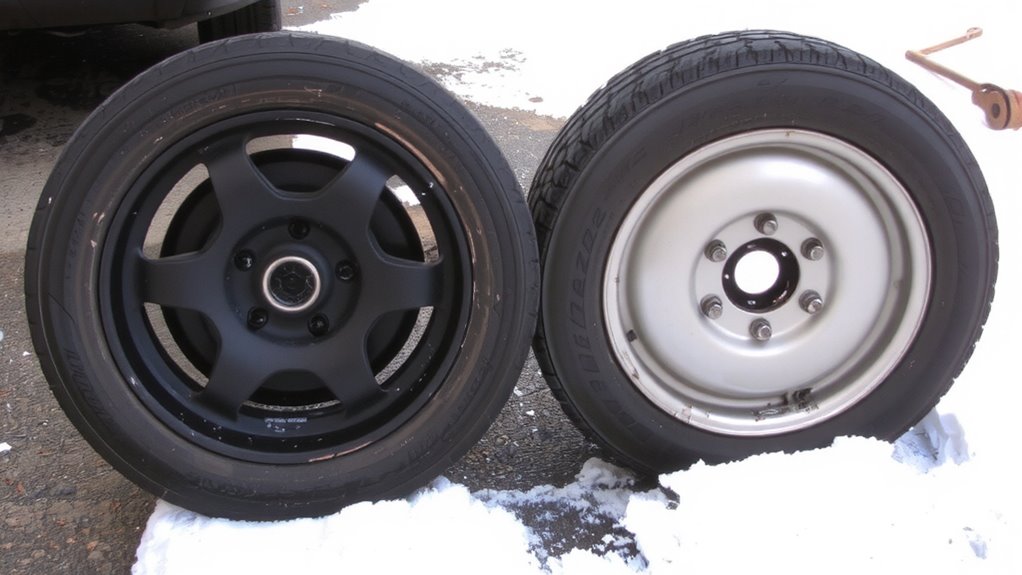
Every time you mount and dismount your winter tires, you’re exposing both the rims and rubber to avoidable stress. Each cycle increases the risk of rim damage, especially along the bead seat area where the tire seals. Improper bead seating can lead to air leaks and uneven pressure distribution, compromising safety and performance. The repeated stretching of the tire bead during installation wears down the rubber, reducing its ability to form a secure seal. Alloy wheels are particularly vulnerable to nicks and corrosion without consistent corrosion prevention measures. Road grime and salt trapped during storage accelerate deterioration when wheels remain unused for months. Even professional mounting tools apply 1,500–3,000 pounds per square inch of force, stressing components over time. Minimizing handling through dedicated winter wheels notably reduces this cumulative wear, preserving both tire integrity and rim longevity.
Longer Tire Life With Dedicated Winter Wheels
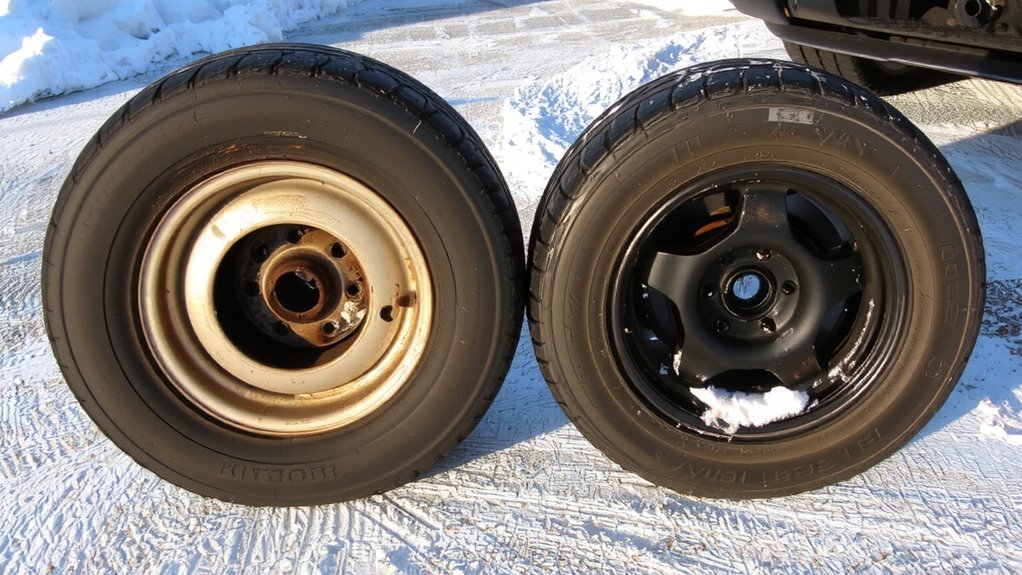
A set of dedicated winter wheels can nearly double the lifespan of your winter tires compared to shared rims. When you mount winter tires on their own wheels, you eliminate repeated mounting and dismounting, which distorts bead areas and damages sidewalls over time. This setup preserves consistent tire wear patterns, ensuring even contact with the road. Irregular wear, common with shared rims due to frequent handling, is minimized. Seasonal tread preservation improves because winter tires remain on their designated rims, maintaining ideal tread depth and rubber integrity. Cold-weather rubber compounds stay stable without repeated installation stress. You also avoid rim corrosion from salt exposure when switching tires. Dedicated wheels reduce stress on both tire and rim, extending service life. Properly stored off-season, your winter tires retain performance characteristics longer. That means more seasons of reliable grip and safer braking on snow and ice.
Faster Swaps, Fewer Labor Bills
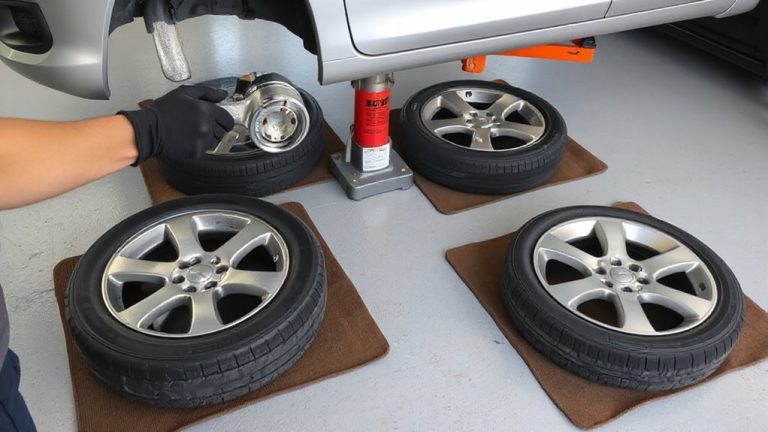
Switching to dedicated winter wheels cuts your seasonal changeover time by as much as 50%. Faster swaps mean you’re not paying for extended labor hours every spring and fall. Most modern vehicles use a lug pattern of 4×100 to 5×139.7 mm, allowing pre-mounted winter wheels to be installed in under 30 minutes. Technicians don’t need to dismount and remount tires from rims, eliminating time-consuming balancing and mounting steps. Each swap typically requires only a torque wrench calibrated to factory specs-usually 80–100 ft-lbs-ensuring safe, repeatable installation. Faster swaps directly reduce shop time, leading to fewer labor bills over time. You pay only for a quick wheel exchange instead of a full tire service. This efficiency adds up, especially with biannual changes. Pre-mounted setups maintain proper valve stem alignment and reduce the risk of bead damage. It’s a streamlined process designed for practicality and cost control.
Lower Long-Term Costs Using Dedicated Rims
Smart planning pays off when you invest in dedicated winter rims. You reduce wear on both your all-season rims and winter tires by keeping them on separate sets of wheels. Mounting and dismounting tires annually damages bead areas, leading to air leaks and imbalance. Dedicated rims avoid this, preserving tire integrity. Alloy wheels suffer corrosion from road salt; switching rims keeps your primary set protected. You maintain ideal snow traction because winter tires stay mounted, ensuring consistent tread depth and rubber compound performance. Properly balanced assemblies improve fuel efficiency by reducing rolling resistance. Using steel rims for winter is cost-effective-they’re durable, cheaper than alloys, and handle cold better. Precision fitment prevents wobble, minimizing strain on suspension and drivetrain. Over time, fewer replacements and repairs cut costs greatly. You extend the life of your tires, rims, and vehicle components-all while driving safer in winter conditions.
On a final note
You save money with dedicated winter wheels. Each swap without them risks bead damage and rim abrasion, costing up to $80 per repair. Mounting cycles wear tire sidewalls, reducing lifespan by 15–20%. With separate rims, changes take 45 minutes versus 90, cutting labor by 30–50%. Steel wheels, often used for winter, resist corrosion and cost 20% less than alloys. Over five years, you save $300–$600 in maintenance and labor.