Why Some Widebody Kits Require Specific Wheel Fitment Specs
Your widebody kit needs exact wheel fitment to maintain performance and avoid damage. Incorrect offset-like going below +10mm-causes excessive poke and fender rub. A 265-section tire on a 10-inch wheel with +25 offset typically delivers a flush, safe fit. Staggered setups such as 275/35R18 front and 315/30R19 rear must align with flare width and hub-centric design. Misalignment disrupts suspension geometry, harms handling, and creates aerodynamic drag. Even a 5mm offset error can ruin clearance and visual balance. Proper backspace (22–30mm) and track width guarantee smooth function. You’ll discover how tire choice and suspension tuning further refine fitment with closer inspection.
Notable Insights
- Widebody kits demand precise wheel fitment to maintain proper suspension geometry and handling balance.
- Correct offset ensures flush fender alignment and prevents tire rub against extended bodywork.
- Aggressive fender flares require specific widths and backspace to maximize stance without clearance issues.
- Staggered tire and wheel setups must match aerodynamic body lines to preserve airflow and performance.
- Misfit wheels can cause drag, lift, uneven wear, and damage to tires or suspension components.
Why Wheel Fitment Matters for Widebody Performance
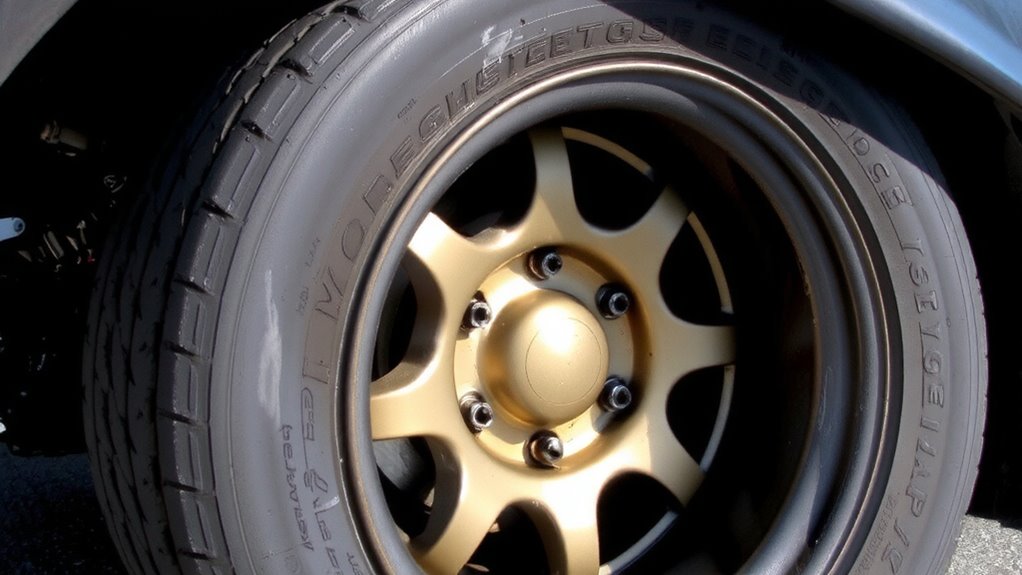
While you might think widebody kits are all about aggressive looks, proper wheel fitment is what truly determines how well your build performs on both the street and track. Correct fitment guarantees peak handling balance, preventing understeer or oversteer caused by uneven weight distribution. Wheels that are too far inboard or outboard disrupt suspension geometry, reducing responsiveness. Properly fitted wheels maintain the intended aerodynamic efficiency by allowing air to flow smoothly around the widened bodywork. Think of it like wings on a race car-misalignment creates drag and lift. Staggered setups, like 275/35R18 front and 315/30R19 rear, must align with the kit’s fender flares and hub-centric design. Offset, width, and tire sidewall height directly impact camber tolerance and contact patch. Matching these specs to your widebody guarantees stability at speed, precise turn-in, and consistent tire wear-critical for high-performance driving.
Choose the Right Offset to Prevent Fender Rub
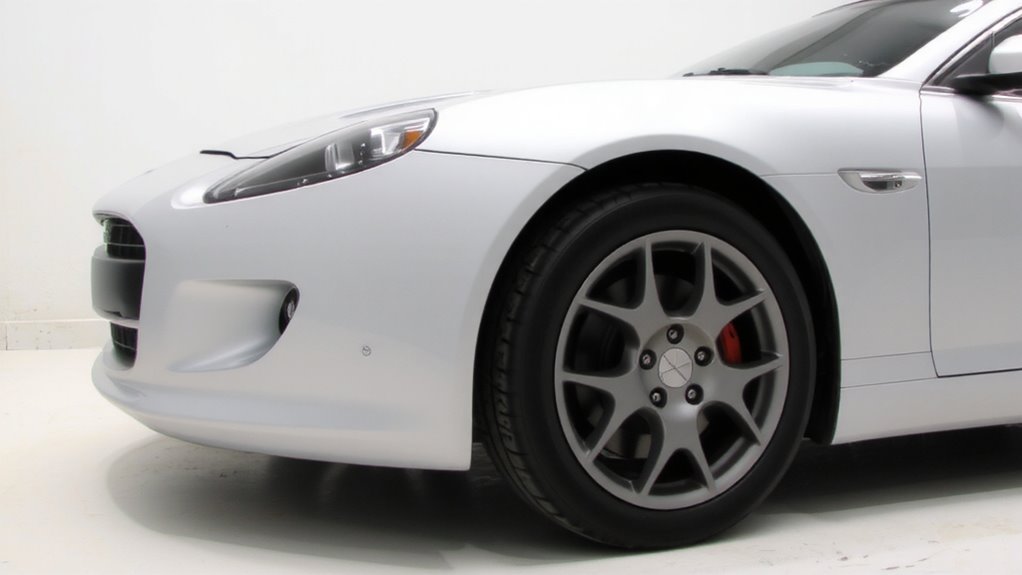
Getting the offset wrong means your wheels will rub-plain and simple. Proper offset guarantees fender clearance and prevents tire damage. Too low an offset pushes wheels outward, risking contact with body kits. Too high tucks them in, affecting handling and aesthetics. You need balance.
| Offset (mm) | Effect on Fitment | Risk Level |
|---|---|---|
| +20 to +30 | Flush with fenders | Low |
| +10 to +15 | Slight poke | Moderate |
| +5 or lower | Excessive poke | High |
Choose wisely to maintain fender clearance without overstretching tires. Excessive tire stretch may look aggressive but reduces sidewall integrity and grip. Match your widebody’s flare width to OEM suspension geometry or account for modifications. A 265-section tire on a 10-inch wheel with +25 offset typically fits flush. Always test-fit before final installation.
Get Width and Spacing Perfect for Smooth Clearance
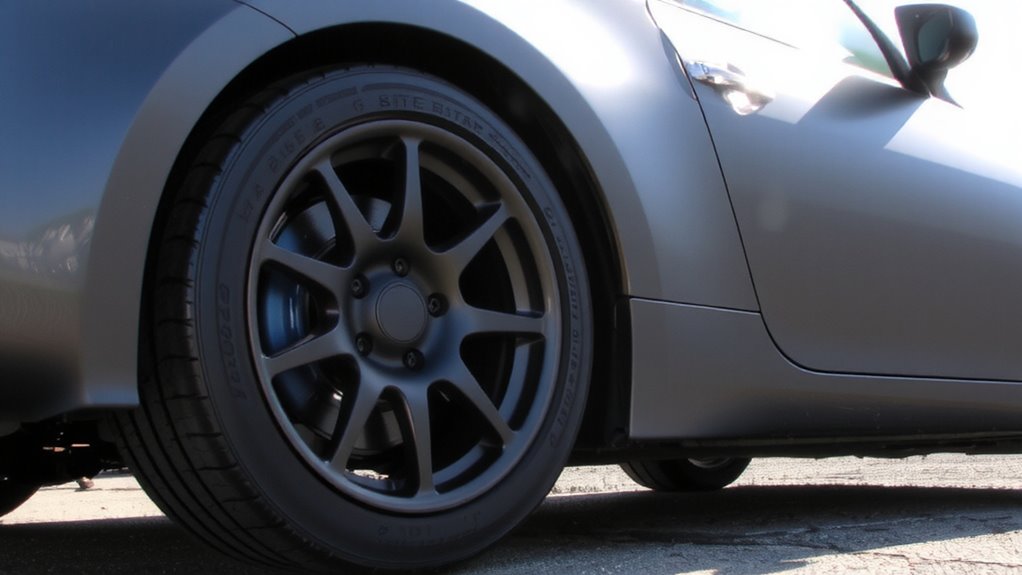
When selecting wheels for a widebody setup, nailing the width and spacing is essential to avoid clearance issues. You need enough inner clearance to prevent rubbing against suspension or frame components. Proper wheel alignment secures even tire wear and predictable handling, especially when running aggressive widths. If the wheels are too wide or improperly spaced, you’ll risk damaging components during compression or steering. Tire stretching-using a narrow tire on a wide wheel-can work within limits, but overdoing it compromises safety and performance. Stick to manufacturer-recommended width-to-tire ratios. A 12mm spacer might help fine-tune the fit, but only if hub-centric and load-rated. Measure your fender arch clearance with a mock-up. Test suspension travel fully. Accurate spacing maintains scrub radius and avoids undue stress on wheel bearings.
Why Your Widebody Kit Needs Exact Wheel Fitment
Since your widebody kit alters the car’s track width and aerodynamic profile, you can’t afford guesswork with wheel fitment-precision is non-negotiable. Every millimeter of offset and width impacts how the wheel sits within the fender. Even a 5mm offset error can spoil aesthetic alignment, making the car look uneven or strained. Proper fitment guarantees visual balance between the tire, rim, and flare. Most widebody setups require specific backspace values-typically 22–30mm for aggressive stances-to avoid rubbing and maintain flushness. Wheel centerlines must match the flare’s outer plane, usually achieved with 10–13-inch widths and -12 to +12mm offsets. Incorrect spacing disrupts weight distribution and can induce premature wear. Fitment isn’t just about clearance; it’s about harmony between form and function. Your kit’s performance and appearance rely on exact measurements-there’s no room for approximation.
Pair Tires and Suspension to Maintain Proper Fitment
Though your widebody kit and wheel combo might look dialed, the wrong tires or suspension can ruin even the most precise fitment. Tire compound affects grip and sidewall stiffness, altering how the tire fills the fender. A soft compound may squirm under load, increasing effective width and risking rub. Pair it with improper suspension tuning, and you’ll compromise alignment specs-especially camber and toe. Your damping settings must support the added track width, maintaining control without overcompressing. Adjustable coilovers let you fine-tune ride height and damping to match tire size and driving load. Ideal setups often use a 2–2.5-degree negative camber max with performance-rated tires (e.g., 300 UTQG). Mismatched components lead to uneven wear, reduced grip, or fender contact. Correct suspension tuning guarantees consistent clearance through suspension travel. Pair every fitment choice with purpose-each element must work in harmony.
On a final note
Your widebody kit demands precise wheel fitment to function correctly. Incorrect offset causes fender rub, especially under suspension compression. A 15–20mm wider track than stock typically requires a 5–10mm lower offset. Proper width-often 10–12 inches up front, 11–13 in the rear-ensures tire clearance. Match wheel specs to suspension travel and tire size to maintain alignment and prevent damage.