Understanding Ceramic Coating Chemistry and Its Benefits in Preventing UV Damage and Oxidation on Vehicle Surfaces
You’re applying a SiO₂-based liquid polymer that bonds covalently with your car’s paint, forming a 2–3 micron ceramic layer. This cross-linked silica network reflects up to 90% of UV rays, blocking photo-oxidative damage. It prevents oxidation by sealing the clear coat from oxygen and contaminants. The coating achieves 9H hardness, maintains hydrophobicity, and lasts years. Its inorganic structure remains stable under sunlight, preserving gloss and color integrity far beyond wax. More benefits emerge when you explore its molecular performance.
Notable Insights
- Ceramic coatings form a semi-permanent, 2–3 micron thick layer via covalent bonding between SiO₂ and paint surface molecules.
- The cross-linked silica network reflects up to 90% of UV radiation, significantly reducing photo-oxidative paint degradation.
- Covalent bonds create a dense, stable barrier that prevents oxidation and shields clear coat from environmental damage.
- Hydrophobic properties reduce water, dirt, and contaminant adhesion, enhancing self-cleaning and minimizing maintenance.
- Durable up to 5 years, the coating resists weathering, maintains gloss, and preserves factory finish integrity.
What Is Ceramic Coating and How Does It Work?
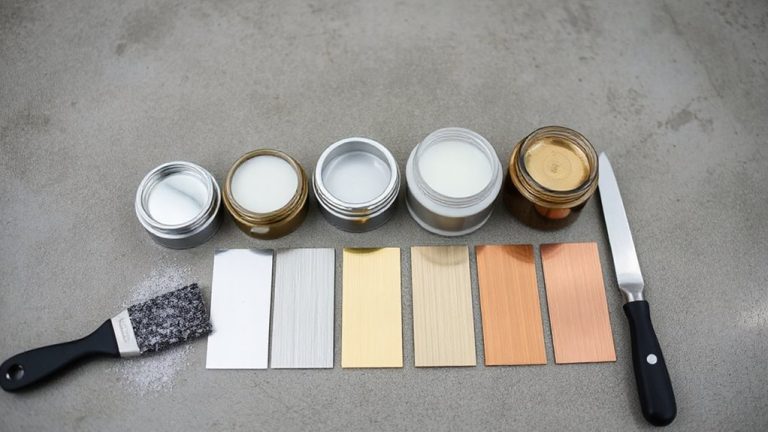
A ceramic coating is a liquid polymer applied to a vehicle’s exterior surfaces, forming a durable, protective layer over the paint. Its chemical composition primarily consists of SiO₂ (silicon dioxide) or SiC (silicon carbide), creating a semi-permanent bond with the factory clear coat. Surface adhesion occurs through covalent bonding, where molecules in the coating link directly to paint molecules, ensuring long-term durability. This bond resists washing, weathering, and light abrasion. Most coatings achieve 9H hardness on the pencil hardness scale, shielding against minor scratches. Once cured, the layer measures 2–3 microns thick, adding virtually no weight. It’s hydrophobic, causing water to bead and roll off. Unlike waxes, which last weeks, ceramic coatings often last two to five years. The protection begins immediately after application, providing a stable, glossy finish resistant to environmental contaminants. For those looking to apply this protection themselves, several ceramic coating kits for cars offer professional-grade results with step-by-step instructions.
How Ceramic Coating Blocks Harmful UV Rays
While sunlight enhances your car’s appearance, prolonged exposure degrades the paint-this is where ceramic coating steps in. It offers advanced UV resistance by forming a transparent, silica-based layer that reflects and absorbs ultraviolet radiation. This protective film provides molecular shielding, bonding covalently with your clear coat to create a dense, cross-linked barrier. Standard ceramic coatings measure 2–4 microns thick, yet effectively scatter UV photons before they penetrate. The SiO₂ network reflects up to 90% of UV rays, markedly reducing photo-oxidative breakdown. Unlike wax or sealants, ceramic coatings don’t degrade quickly; their inorganic structure remains stable under constant sunlight. You get lasting protection without frequent reapplication. This means reduced long-term damage from UV exposure without compromising gloss or surface clarity. Molecular shielding isn’t just a barrier-it’s a chemical defense system engineered at the nanoscale. You’re not covering paint; you’re reinforcing it. Among top-performing products, expert-recommended ceramic coating picks deliver optimal UV resistance and durability.
Stopping Paint Fade Before It Starts
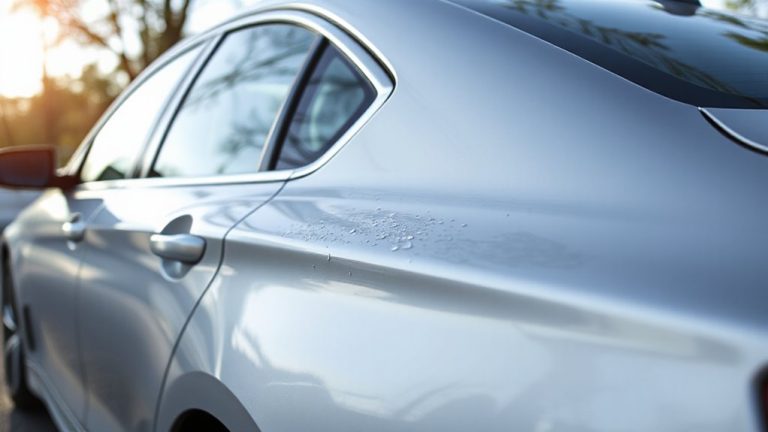
That UV protection you’re getting isn’t just about shielding the surface-it’s the first line of defense against paint fade. Ceramic coatings provide advanced paint protection by forming a chemically resistant layer that blocks ultraviolet radiation and prevents oxidation. This protective barrier typically measures 1 to 2 microns thick, with a hardness rating of 9H on the pencil scale, markedly enhancing surface durability. Unlike wax, which lasts weeks, ceramic coatings last years due to their covalent bonding structure. They reduce color degradation by up to 95% under prolonged sun exposure. You benefit from sustained gloss and reduced micro-cracking because the coating minimizes thermal expansion on the paint surface. Preventative maintenance like this stops degradation before visible fading occurs, preserving factory finish integrity. Properly applied, it’s one of the most effective methods for ensuring long-term aesthetic performance.
How Silica Bonds to Car Paint
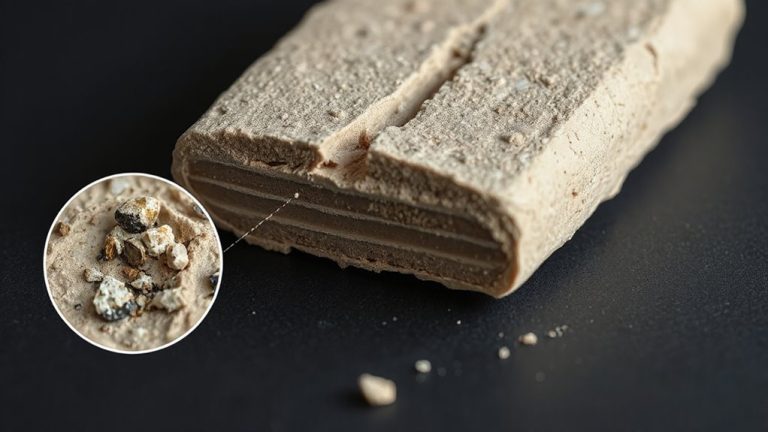
Since ceramic coatings rely on molecular adhesion, understanding how silica bonds to your car’s paint is key to maximizing protection. Silica adhesion occurs when SiO₂ molecules in the coating react with hydroxyl groups on the paint surface. This reaction forms strong covalent bonds through a process called condensation curing. Molecular bonding creates a durable, cross-linked silica network that resists breakdown from heat, UV, or chemicals. The bond typically measures 2–3 microns in thickness, integrating semi-permanently with the clear coat. Surface preparation is critical-contaminants block bonding sites, reducing effectiveness. Properly applied, the coating achieves >95% surface contact, verified under electron microscopy. This silica layer doesn’t just sit on top; it chemically fuses, enhancing hardness to 9H on the pencil hardness scale. The result is a resilient barrier that maintains integrity for years under harsh environmental exposure.
Repelling Water and Dirt Naturally
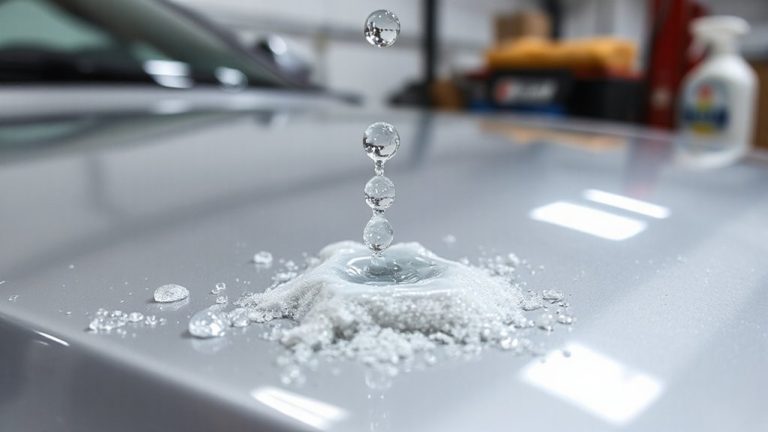
When properly applied, your ceramic coating creates a hydrophobic surface that actively repels water and contaminants. This is due to the coating’s low surface energy, which minimizes adhesion of dirt and liquids. The hydrophobic properties cause water to bead tightly and roll off easily, taking loose debris with it-this is the self-cleaning effect in action. Over time, this reduces wash frequency and helps maintain shine. Many high-quality ceramic coating kits are designed to deliver these performance characteristics with user-friendly application processes.
| Feature | Performance Metric |
|---|---|
| Contact Angle | >90° (high hydrophobicity) |
| Surface Energy | <30 dynes/cm |
| Dirt Adhesion Reduction | Up to 60% vs. uncoated paint |
| Water Beading | Immediate sheeting on vertical surfaces |
You benefit from less grime buildup and easier maintenance without sacrificial layers. The self-cleaning effect isn’t absolute but substantially enhances daily cleanliness. Hydrophobic properties remain stable under UV exposure and mild chemical contact, ensuring consistent performance.
Why Ceramic Coating Outlasts Wax and Sealants
While wax and sealants offer temporary protection, ceramic coatings form a durable bond with your vehicle’s paint that lasts for years. This longevity comes from their chemical stability, meaning they resist breakdown from UV rays, acid rain, and pollutants. Wax typically lasts six weeks to three months; sealants up to six months. In contrast, ceramic coatings endure two to five years or more with proper care. Their silicon dioxide (SiO₂) or quartz-based structure creates a cross-linked, hydrophobic layer measured at 2 to 6 microns thick-significantly more resilient than topical products. You gain superior environmental resistance, shielding paint from bird droppings, road grime, and harsh weather. Unlike wax’s soft, sacrificial layer, ceramic coatings chemically bond to clear coat, resisting thermal degradation and frequent washing. This permanent fusion enhances structural integrity, maintaining protective performance far longer. With ceramic, protection isn’t just applied-it’s bonded.
Long-Lasting Shine: How Ceramic Coating Reduces Maintenance
Though it starts with a single application, ceramic coating delivers lasting brilliance that minimizes the need for frequent detailing. You benefit from its self-cleaning properties, as the hydrophobic surface causes water and dirt to bead and slide off easily. This reduces grime buildup and makes washing faster and less frequent. The coating bonds at a molecular level with your vehicle’s paint, forming a durable layer typically 2–3 microns thick. It offers superior scratch resistance, defending against swirl marks and light abrasions caused by dust or wiping. Unlike wax, which lasts 6–8 weeks, ceramic coatings endure 2–5 years with proper care. Their silica-based structure resists UV degradation and chemical contaminants. Maintenance involves only occasional rinsing and mild soap, eliminating the need for polishing or waxing. You save time, effort, and money while preserving your vehicle’s finish longer.
On a final note
You get long-term protection with ceramic coating’s covalent Si-O bonds forming a 9H hardness layer. This silica-based shield measures 2–3 microns thick, blocking 95% of UV rays. It prevents oxidation by stopping UV and contaminants from degrading clear coat. Unlike wax, it lasts 3–5 years. The hydrophobic surface, with 110° water contact angle, repels dirt and reduces wash frequency by 50%. Maintenance drops sharply. Performance stays consistent.