Vehicle Fire Prevention Tips: Keep Your Car Safe on the Road
Watch for dashboard warnings like high engine temperature or low oil pressure-they signal serious risks. Temperatures above 240°F can ignite oil vapors. A sweet smell means coolant leaks; burning plastic hints at wiring damage. Shut off the engine if you see smoke. Address electrical faults promptly-flickering lights or blown fuses mean trouble. Use correct amperage fuses and inspect wiring near heat sources. You’ll want to know what comes next.
Notable Insights
- Monitor dashboard warning lights, especially for engine temperature and oil pressure, to catch issues before they lead to fire.
- Inspect wiring regularly for damage or melting, and replace faulty components to prevent electrical system fires.
- Address oil or fuel leaks immediately, as contact with hot engine parts can easily ignite flammable fluids.
- Maintain proper coolant levels and replace thermostats every 100,000 miles to prevent dangerous overheating.
- Install and maintain a Class B fire extinguisher, and know to never open the hood if a fire is suspected.
Spot the Warning Signs of a Car Fire
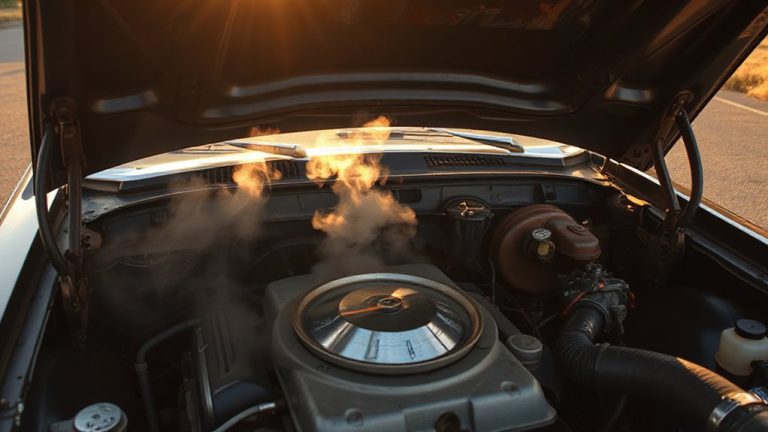
While most drivers never expect to experience a car fire, knowing the early warning signs can make all the difference. You should act immediately if your dashboard displays persistent warning lights, especially the engine temperature or oil pressure indicators. These systems monitor critical thresholds-engine temps above 240°F can degrade oil and ignite vapors. A malfunctioning sensor may fail to alert you, so recognize patterns. Strange odors are equally urgent: a sweet, pungent smell often signals leaking coolant, while burning plastic suggests overheated wiring insulation. Both precede combustion. Smoke from the hood or within the cabin demands instant engine shutdown. Ignoring these signs increases risk exponentially. Modern vehicles have advanced diagnostics, but they can’t replace attentive driving. Document any recurring alert or odor. Early detection reduces fire likelihood by up to 70%, according to NHTSA data. Stay vigilant. Your response time matters most.
Fix Electrical Issues That Cause Fires
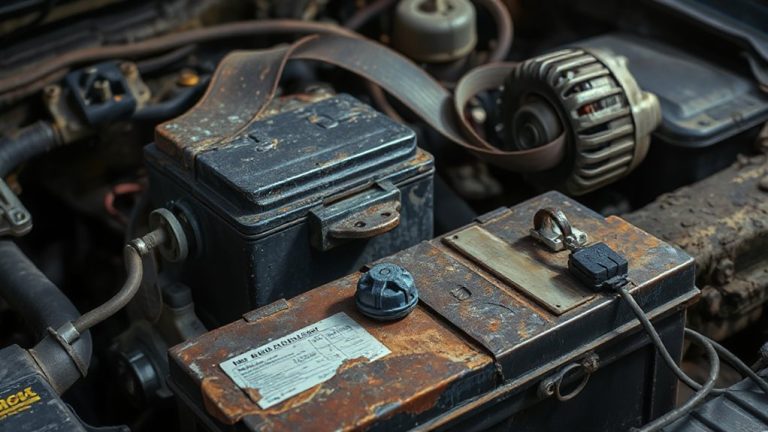
If your car’s electrical system shows signs of strain, don’t wait-faulty wiring accounts for nearly 20% of vehicle fires, according to NFPA reports. Burnt smells, flickering lights, or blown fuses signal trouble. Immediate fuse replacement with the correct amperage rating (typically 10–30 amps) prevents circuit overload. Damaged wire insulation exposes conductors, increasing short-circuit risks. Inspect wiring looms regularly for cracks, melting, or brittleness, especially near heat sources.
| Issue | Detection Method | Corrective Action |
|---|---|---|
| Blown fuse | Visual inspection | Replace with same-rated fuse |
| Frayed wires | Physical check | Reinsulate or replace |
| Melting insulation | Smell or discoloration | Install high-heat sleeve |
Use only OEM-spec components. Replace aged harnesses entirely if insulation deterioration is widespread. Proper wire insulation and timely fuse replacement are cost-effective defenses against electrical fire hazards.
Stop Oil and Fuel Leaks Before They Ignite
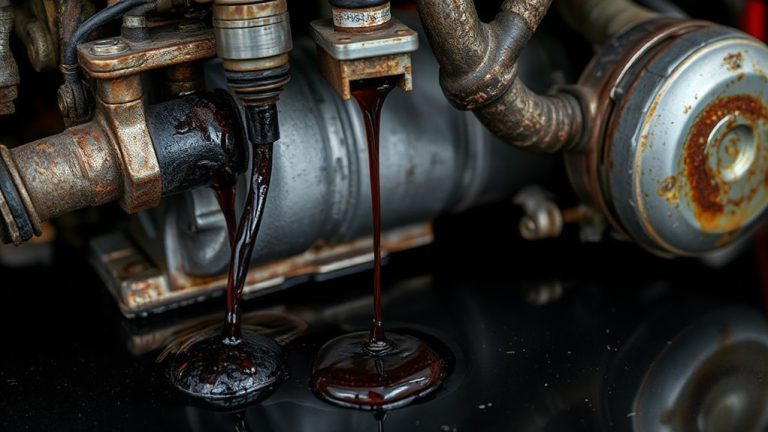
Even a small leak can turn into a major fire hazard when engine oil or fuel drips onto hot exhaust components. You must perform regular oil inspection to detect seepage early. Look for dark stains around gaskets, hoses, or the oil pan-common failure points. A single drop per minute can pool quickly under high engine temperatures. Fuel containment is equally critical. Inspect rubber fuel lines every 6,000 miles; replace cracked or swollen sections immediately. Modern fuel systems operate at 40–60 psi; a compromised line can spray vapor with minimal ignition delay. Use only UL-listed fuel-resistant clamps and fittings during repairs. Synthetic hoses rated for 250°F+ reduce rupture risks. Address leaks promptly-don’t wait for warning signs. Proper maintenance of both oil and fuel systems guarantees safe operation and reduces fire risk markedly. Stay vigilant.
Prevent Overheating That Can Start a Fire
When your engine runs too hot, components can fail and ignite flammable fluids or debris. Maintaining proper coolant levels is critical-low coolant reduces heat transfer efficiency, increasing fire risk. Check the reservoir monthly; coolant should sit between “min” and “max” marks when the engine is cool. Modern engines operate at 195–220°F; exceeding 240°F risks damage. The thermostat function regulates coolant flow to maintain ideal temperature. A stuck-closed thermostat restricts flow, causing rapid overheating. Test it by monitoring temperature rise after startup; a functioning thermostat opens at the rated temperature, usually 195°F or 200°F. Replace thermostats every 100,000 miles as preventive maintenance. Blocked radiator tubes or a failing water pump also impair cooling. Inspect hoses for cracks and verify fan operation. Consistent cooling system maintenance prevents extreme heat buildup that could lead to fire.
What to Do If Your Car Catches Fire
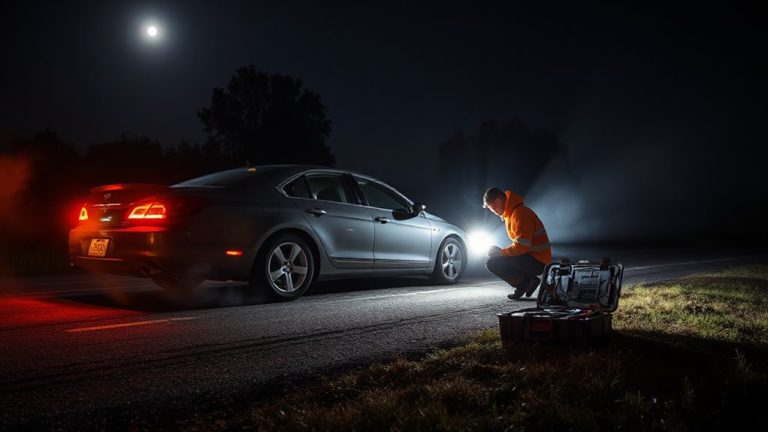
Though you may never expect it, a vehicle fire can erupt in seconds and escalate rapidly due to the presence of fuel, electrical systems, and flammable materials. Your immediate emergency response is critical. Turn off the engine and exit quickly-do not attempt to retrieve personal items. Evacuation procedures require all occupants to move at least 150 feet upwind from the vehicle to avoid toxic fumes and potential explosion. Never open the hood or trunk if flames are visible; doing so feeds oxygen and intensifies the fire. Call 911 immediately. Use a Class B fire extinguisher only if the fire is small and contained in the early stage. Most vehicles carry a 1A:10BC extinguisher, effective on flammable liquids and electrical fires. Never re-enter the vehicle. Fire can compromise structural integrity within 3–5 minutes.
On a final note
Stay alert and proactive to prevent vehicle fires. Electrical faults, like frayed wires or overloaded circuits, can generate heat over 1,000°F-enough to ignite insulation. Seal fuel and oil leaks promptly; even a drip of gasoline can ignite at 450°F. Monitor coolant levels and radiator function to avoid engine overheating. Use a Class B fire extinguisher if flames occur. Safety depends on maintenance, awareness, and quick response.