Winter Emergency Scenarios: Ensuring Safety on Icy Roads Ahead
You face black ice at 27–32°F, nearly invisible on bridges and overpasses. If you skid, stay calm, release the accelerator, and steer gently-don’t brake suddenly. Equip your vehicle with 5W-30 oil, 6/32-inch winter tires (3PMSF-rated), and 35 psi inflation. Carry a kit: wool blanket, flashlight, ice scraper, jumper cables, and first aid supplies. Use a GPS with offline maps and a Mylar blanket retaining 90% of body heat. Solutions exist beyond what you know.
Notable Insights
- Recognize black ice by its shiny appearance on cold, shaded roads, especially on bridges and overpasses.
- Maintain winter-ready tires with 6/32 inch tread and 3PMSF rating for optimal ice traction.
- If skidding, release the accelerator, steer gently in your intended direction, and avoid sudden braking.
- Pack an emergency kit with a flashlight, wool blanket, ice scraper, jumper cables, and high-calorie snacks.
- Stay visible and warm if stranded: use hazard lights, wear synthetic layers, and wrap in a Mylar blanket.
What Makes Winter Roads Dangerous?
While winter weather creates scenic landscapes, it also transforms roadways into hazardous environments due to reduced traction and visibility. Black ice, a thin, transparent layer of ice formed when moisture freezes instantly on cold pavement, is especially dangerous because it’s nearly invisible. It typically forms at temperatures between 27°F and 32°F, particularly on bridges and overpasses where surfaces cool faster. Reduced visibility from snowfall, fog, or blowing snow further limits reaction time, often cutting sight distances to under 150 feet during moderate storms. Headlights illuminate only about 160 feet ahead, which, at 45 mph, gives just 2.5 seconds to respond. Tire tread depth below 4/32 inch drastically reduces grip on icy surfaces. All-season tires lose effectiveness below 45°F, making winter tires with deeper siping and softer rubber compounds essential. These conditions combine to increase stopping distances by up to tenfold compared to dry pavement.
What to Do When Your Car Skids on Ice
If your car starts to skid on ice, the most important thing is to stay calm and react correctly-panicking leads to overcorrection and loss of control. Immediately release the accelerator to reduce speed without braking. Sudden braking further diminishes tire traction. Steer gently in the direction you want the car to go, matching your steering input to the skid’s angle. This technique, known as steering control, aligns front wheels with the rear’s drift, restoring balance. Modern vehicles with ABS allow controlled braking, but manual modulation is often needed on black ice. Tire traction depends on tread depth and rubber compound; winter tires improve grip at temperatures below 45°F. Avoid sharp turns or jerky movements. Recovery requires smooth, deliberate actions. Skid recovery time averages 2–4 seconds, depending on surface conditions and speed. Consistent input maintains momentum stability. Focus on regaining forward motion.
Build a Winter Emergency Kit
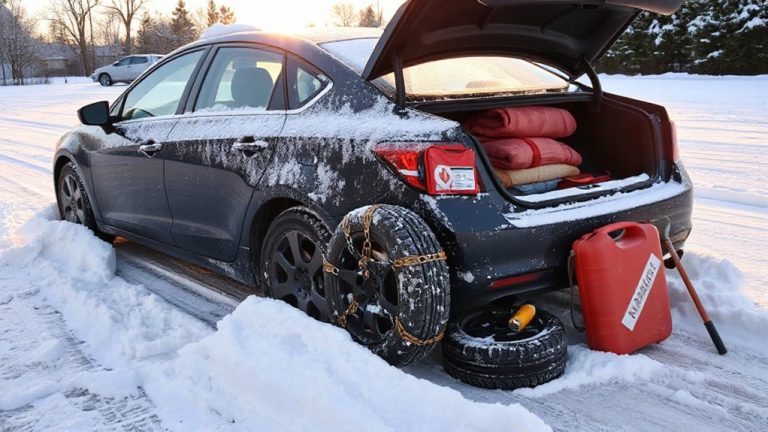
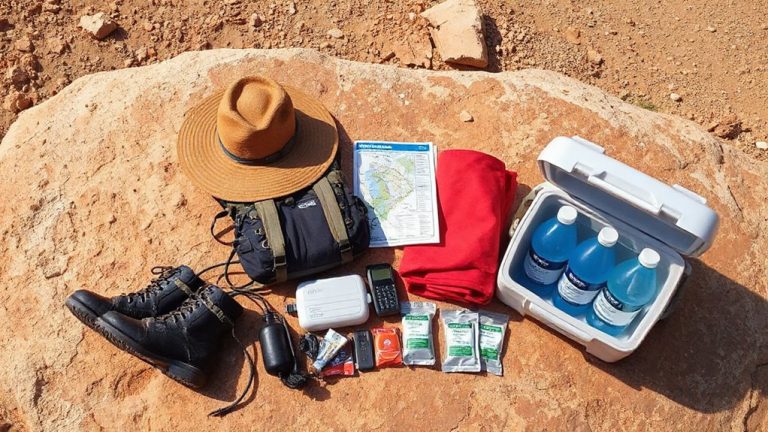
Because winter roads can become impassable without warning, you’ll want a fully stocked emergency kit in your vehicle at all times from November through March. Your kit must include reliable supplies to sustain you for up to 72 hours. Below are critical items and their emotional significance during an emergency:
| Item | Emotional Impact |
|---|---|
| Flashlight batteries | Provide light when panic sets in-reduces fear in total darkness |
| Blanket snacks | Restore energy and warmth-prevent hypothermia and hunger stress |
| Ice scraper | Enables visibility-prevents helplessness in whiteout conditions |
| Jumper cables | Restore mobility-reduce feelings of abandonment |
| First aid kit | Aid injuries-alleviate anxiety over medical emergencies |
Use long-life lithium flashlight batteries. Choose wool blankets and high-calorie, non-perishable blanket snacks. Store in an insulated, waterproof container. Perform kit inspections every November. A well-curated best car emergency kits selection can make the difference between discomfort and survival during extended winter strandings.
Winter-Proof Your Car Now
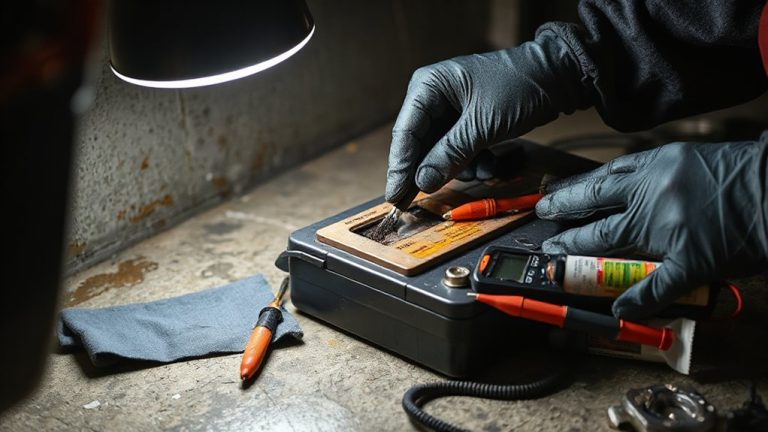
Your car’s winter survival starts with proper preparation before the first storm hits. Begin with engine maintenance: replace the antifreeze and guarantee the coolant mix is 50/50, protecting the system to -34°F. Check the battery charge; cold cranking amps (CCA) should match or exceed the manufacturer’s rating. Inspect belts and hoses for cracks or wear. Upgrade to winter-grade oil if recommended-typically 5W-30 or 5W-40 for better cold-temperature flow. Tire traction is equally critical. Use dedicated winter tires with a tread depth of at least 6/32 inch and rubber compound designed for temperatures below 45°F. Look for the Three-Peak Mountain Snowflake (3PMSF) symbol. These tires reduce stopping distance by up to 25% on snow compared to all-seasons. Guarantee even tread wear and maintain proper inflation-35 psi, unless otherwise specified. Consider equipping your vehicle with a best winter car care kit to ensure comprehensive preparedness for cold-weather driving emergencies.
Stay Found in a Snowstorm
How do you stay found when whiteout conditions erase every landmark? In whiteout conditions, visibility drops below 50 feet, and frozen landmarks vanish beneath snow cover, making navigation nearly impossible. Your best defense is a GPS with offline winter maps and a backup paper topographic map in a waterproof case. Pair this with a magnetic compass-accurate within ±2 degrees-and calibrate it monthly. Never rely solely on phone signals, as 70% of rural areas lack consistent coverage. A reliable heat source like a car camping heater can prevent hypothermia if stranded for extended periods.
| Method | Accuracy | Power Source |
|---|---|---|
| GPS Device | ±10 feet | Rechargeable |
| Paper Map + Compass | ±100 feet | None required |
| Smartphone GPS | ±30 feet | Battery-dependent |
Mark your last known position every 15 minutes. Use reflective trail markers or brightly colored flagging tape spaced every 25 feet if you must move.
Stay Warm in a Winter Breakdown
If you’re stranded on an icy road, staying warm becomes the top priority-especially after relying on navigation tools to stay found in a whiteout. Hypothermia prevention starts with maintaining core body temperature. Your vehicle’s interior offers limited thermal insulation, so use every available layer. A mylar emergency blanket traps 90% of body heat, reflecting radiant heat back to you. Wear wool or synthetic clothing-never cotton-as moisture retention accelerates heat loss. Layering increases insulation; air trapped between garments reduces conductive heat transfer. Keep moving fingers and toes to sustain circulation, but avoid sweating, which degrades insulation efficiency. A closed-cell foam sleeping pad (minimum R-value of 2.0) under your body blocks conductive heat loss to the cold ground or car floor. Stay dry and zipped inside a heavy-duty winter coat (fill power 600+ for down, or equivalent synthetic). These steps guarantee active, reliable thermal management critical for hypothermia prevention during prolonged exposure.
When to Seek Help in a Blizzard
When does staying put become more dangerous than seeking help during a blizzard? If your vehicle is buried, fuel is low, or hypothermia symptoms appear, immediate action is critical. Remaining immobilized for over two hours in temperatures below -10°C increases risk markedly. Activate emergency signals: use hazard lights, a brightly colored cloth on the antenna, or a flashing LED beacon visible up to 1.6 km. Guarantee your phone is powered to send GPS coordinates. If you must leave the vehicle, do so only when you see or hear proof of nearby shelter options-such as a ranger station or roadside building-within 100 meters. Never travel blind. Mark your path with reflective tape or snow markers every 10 meters. Carry an emergency thermal blanket (minimum 2.1 x 2.1 m) and an NOAA weather radio. Prioritize structured shelters over natural ones. Your survival depends on deliberate, data-driven decisions.
On a final note
You must act decisively in winter emergencies. Icy roads reduce traction-tires need at least 6/32-inch tread depth for safe grip. Skidding? Release the brake, steer into the skid. A winter kit should include a 500-lumen flashlight, N95 mask, and 5,000 mAh power bank. Antifreeze must match your climate’s low-typically -34°C rating. Stay visible with reflective triangles, 100-foot spacing. Cold kills fast-hypothermia starts below 35°C core temp. Get help immediately if stranded over 30 minutes in blizzard conditions.