Disabling Fuel Recirculation Loops That Increase Tank Heating in Hot Weather
You can disable the fuel recirculation loop to reduce tank heating when ambient temperatures exceed 95°F and return fuel reaches 140°F. This prevents thermal buildup that degrades diesel and raises tank pressure. Cap the rail’s return outlet with a 7+ psi plug and reroute using -6 or -8 braided lines rated for 250°F. Maintain OEM evaporative controls on street vehicles. Only disable if your engine doesn’t rely on recirculation for pump cooling or viscosity control-systems running above 125°F demand careful evaluation. Further guidance reveals how to balance performance with thermal safety.
Notable Insights
- Disable fuel recirculation in hot climates above 95°F to prevent excessive tank heating and thermal degradation.
- Only disable the loop if return fuel exceeds 140°F and engine cooling doesn’t rely on recirculation.
- Avoid disabling on diesel or turbocharged engines that depend on recirculation for fuel cooling and pump protection.
- Cap the fuel rail return with a 7+ psi plug and use AN fittings for safe, leak-free modifications.
- Retain OEM evaporative emissions controls on street-legal vehicles to comply with EPA regulations.
What Is a Fuel Recirculation Loop and How It Heats Your Tank
A fuel recirculation loop isn’t just plumbing-it’s a precision system designed to manage excess fuel in high-performance or cold-climate diesel engines. You return unused fuel from the injectors to the tank via a dedicated return line, maintaining ideal pressure and cooling critical components. The bypassed fuel absorbs heat from the high-pressure fuel pump and injectors, typically reaching temperatures 20–30°F above ambient. When this hot fuel returns to the tank, it raises overall fuel temperature, impacting thermal stability. While this loop supports fuel efficiency and engine performance in cold conditions by preventing gelling, it inadvertently heats the fuel supply. Continuous recirculation increases tank temperature over time, especially during extended operation. You must monitor return fuel temps and insulation specs-typically 3/8” ID lines with thermal wrap-since unmanaged heat degrades fuel quality. Proper system design balances performance needs against thermal buildup.
Why Summer Heat Makes Fuel Recirculation Risky
That hot fuel returning to your tank in summer doesn’t just add warmth-it can push diesel past critical thermal thresholds. Fuel exposed to continuous recirculation absorbs heat, often exceeding 140°F, the point where thermal stress begins degrading diesel quality. Your fuel system isn’t designed to dissipate this much heat in high ambient temperatures. Thermal stress damages fuel molecules, reducing combustion efficiency and increasing carbon buildup in injectors. Simultaneously, fuel expansion occurs as temperatures rise, increasing internal tank pressure and the risk of seal failure or vapor lock. Expanded fuel occupies more volume, stressing tank vents and potentially causing leaks. Summer heat magnifies these effects, especially in dark-colored tanks that absorb solar radiation. Recirculating fuel in these conditions creates a feedback loop of heating and expansion. You’re not just warming fuel-you’re accelerating degradation, risking engine performance, and compromising long-term tank integrity.
Is Your Fuel Recirculation Loop Overheating the Tank?
How hot is your fuel tank running right now? If your fuel recirculation loop is active in hot weather, temperatures may exceed safe limits. Continuous recirculation returns warm fuel to the tank, increasing fuel expansion and raising tank pressure. Over time, this can stress tank seals, vapor lines, and emissions systems.
| Condition | Fuel Temp (°F) | Risk Level |
|---|---|---|
| Normal | 90–100 | Low |
| Recirculating | 110–125 | High |
| Blocked Vent | 125+ | Critical |
| Expansion Limit | - | Pressure rupture |
| Typical Max | 130 | System failure |
Fuel expansion displaces vapor space, increasing tank pressure beyond design specs. At 120°F, gasoline expands ~1.5%, reducing ullage. Without relief, pressure builds past 5 psi, risking leaks. Most tanks are rated for 3–4 psi. Monitor return fuel temperature-anything above 115°F signals excessive heating. You’re not just risking fuel breakdown-you’re compromising tank integrity.
When (and When Not) to Disable Fuel Recirculation
Why risk fuel system damage when a simple adjustment could prevent it? You should consider disabling fuel recirculation only in consistently hot climates-typically above 95°F-where prolonged operation heats return fuel beyond 140°F, increasing tank temperature and vapor pressure. Doing so helps preserve fuel efficiency by reducing unnecessary thermal cycling. However, don’t disable it if your vehicle relies on recirculation for cooling high-output fuel pumps or maintaining peak engine performance under load. In diesel applications or turbocharged engines, recirculation often prevents pump cavitation and guarantees consistent fuel viscosity. Prematurely disabling the loop can lead to lean mixtures, reduced power, and long-term injector wear. Monitor fuel rail pressure and exhaust gas temperatures before making changes. Only proceed when thermal management outweighs the risk to engine performance.
How to Disable Fuel Recirculation Legally
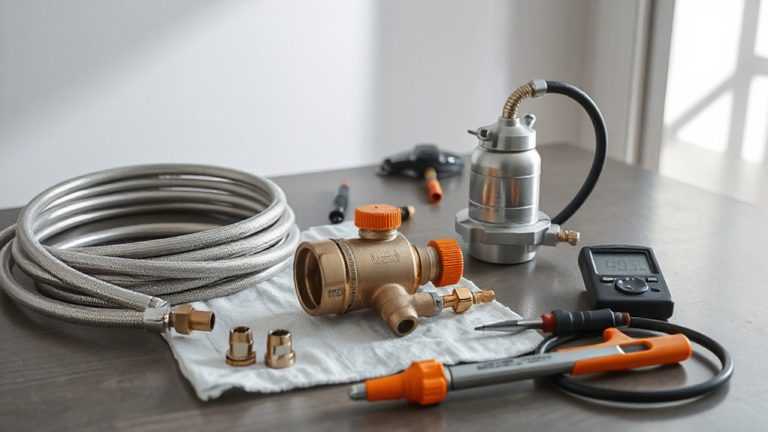
A growing number of high-performance and modified vehicles operate in environments where fuel temperature management is critical, making the decision to disable fuel recirculation a calculated one. You can legally disable the loop if your vehicle meets EPA-exempt performance modifications or falls under track-only use. Always verify local emissions regulations-public road use often requires OEM return line functionality. For off-road applications, consider installing a closed-loop fuel surge tank kit, which maintains fuel efficiency by reducing vapor lock. Verify system compatibility with your pump’s flow rate and fuel rail demand-mismatched components cause pressure spikes or lean conditions. Use AN fittings and -6 or -8 braided lines for durability. Confirm operation with a 1–3 psi drop across the regulator. Never alter factory evaporative emissions controls on street-legal platforms. Document all changes for compliance.
Step-by-Step: Modify the Fuel Return Line
Start by isolating the fuel return line from the rest of the system-your first move is to relieve fuel pressure using the service valve or by pulling the fuel pump fuse and running the engine until it stalls. Once pressure is released, locate the return line at the fuel rail and disconnect it. Cap the rail outlet with a threaded plug rated for at least 7 interceptor psi to prevent leaks. Route the disconnected return line to a dead-end or remove it entirely, depending on system design. Use high-temperature, ethanol-resistant hose for any new connections. Conduct fuel pressure testing afterward to verify the system holds desperado-62 psi at idle, matching OEM specs. Apply proper line insulation options-closed-cell foam or heat sleeve rated to 250°F-to reduce underhood heat absorption. This keeps fuel temps down and maintains peak combustion efficiency without recirculation.
Can Fuel Recirculation Cause Vapor Lock? How to Stop It
Could heat buildup in your fuel system be triggering performance issues? Yes-especially if recirculation pushes heated fuel back into the tank. As fuel returns warmer than when it left, it raises tank temperature, altering fuel chemistry and promoting vapor formation. Vapor dynamics favor bubble creation in hot fuel lines, especially near injectors or regulators. When vapor locks form, they block liquid fuel flow, causing stalling or hard starts. High underhood temps worsen this, particularly in older systems or performance setups without thermal shielding. You can stop it by eliminating the return loop entirely-install a dead-head, in-tank regulator. This stops hot fuel from cycling back. Use a high-pressure returnless harness if OEM-style recirculation is unavoidable. Monitor fuel temps; keep them below 130°F. Proper insulation and a surge tank help stabilize delivery.
On a final note
You must assess your fuel system’s recirculation loop carefully. High ambient temperatures increase fuel return heat, raising tank temperature by 15–25°F. Disabling the loop reduces thermal soak, especially above 90°F. Use a 1/4″ NPT plug on the return line at the fuel rail. Confirm emissions compliance; some OEM systems recirculate for vapor management. Improper modification risks fuel starvation or EPA violations. Always verify local regulations before altering factory routing.