The Role of Heated Windshields in Preventing Ice Buildup During Winter
You rely on heated windshields to prevent ice buildup using thin conductive layers, like indium tin oxide or tungsten wires, spaced 3–5 mm apart. These elements activate within seconds, generating 15–20°C of heat directly on the glass surface. They melt ice faster than traditional defrosters, restoring visibility in under three minutes. Operating at 12–24 volts, they draw 400–600 watts for efficient, uniform de-icing. Systems function reliably down to -40°C. Clear patterns reveal how engineering precision keeps your drive safe-explore further advantages.
Notable Insights
- Heated windshields use embedded conductive layers to generate heat and prevent ice formation during winter.
- Thin wires or coatings heat the glass surface within seconds, eliminating frost before it impairs visibility.
- Uniform grid spacing ensures consistent de-icing and reduces cold-weather visual distortion by up to 60%.
- They raise windshield temperature by 15–20°C in under three minutes, cutting de-icing time by 60%.
- Automatic sensors and efficient power use allow reliable operation down to -40°C without driver input.
How Do Heated Windshields Work?
Electric currents are the silent force behind your heated windshield’s ability to clear frost and fog in freezing conditions. Thin, transparent conductive wires or metallic coatings embedded in the glass allow electrical conductivity across the surface. These elements, typically made of indium tin oxide or fine tungsten, carry current when you activate the system. Resistance in the material converts electrical energy into heat. Uniform thermal distribution guarantees even warming, usually reaching 30–40°C within three minutes. The grid spacing-often 3–5 mm-prevents hot spots and maintains visibility. Voltage runs at 12–24 volts, drawing 15–30 watts per square foot. This balance of conductivity and heat dispersion melts surface ice without stressing the glass. Most systems shut off automatically after 10–20 minutes to prevent overuse. You’ll see the grid faintly at certain angles, but it doesn’t impair vision. The design prioritizes efficiency, safety, and rapid defrosting under harsh conditions, making it a reliable winter driving solution.
Why Ice Buildup Is a Winter Driving Hazard
When ice accumulates on your windshield, it doesn’t just block your view-it creates a dangerous driving condition that can compromise your safety in seconds. Frost accumulation severely limits your ability to see the road, increasing collision risk. Reduced visibility is more than an inconvenience; it delays reaction time and impairs depth perception, especially at highway speeds. The following table outlines key hazards linked to ice on windshields:
| Hazard | Impact on Driving | Visibility Loss (%) |
|---|---|---|
| Frost accumulation | Limits clear vision | 60–90 |
| Reduced visibility | Delays hazard response | 70–95 |
| Uneven melting | Causes visual distortion | 40–60 |
| Glare from sun | Increases eye strain | 50–70 |
Even thin ice layers scatter light and distort images. Your eyes struggle to process blurred, fragmented visuals-like trying to read through textured glass. These conditions degrade driving precision and demand immediate corrective action before moving.
How Heated Windshields Clear Ice Faster Than Defrosters
You can’t afford to wait minutes for a standard defroster to slowly chip away at ice-especially when visibility is already compromised. Heated windshields deliver rapid thawing through embedded heating elements, typically thin tungsten or indium tin oxide wires spaced 7–10 mm apart across the glass. These conduct electricity and generate consistent heat within 90 seconds. Unlike traditional defrosters that rely on heated air circulation, which loses energy through ducts and cabin dispersion, heated windshields maximize thermal efficiency by applying heat directly at the ice-glass interface. This targeted method raises windshield surface temperature by 15–20°C in under three minutes. Ice begins melting uniformly from the inside out, reducing de-icing time by up to 60%. The system draws approximately 400–600 watts, powered efficiently through the vehicle’s electrical architecture without straining the battery.
Debunking 5 Myths About Heated Windshields in Extreme Cold
Although some drivers assume heated windshields struggle in subzero conditions, modern systems are engineered to perform reliably even in extreme cold. Heated windshields use thin, transparent conductive layers embedded in the glass, typically made of indium tin oxide or fine wire grids, activating within seconds. These systems operate efficiently down to -40°C, maintaining consistent heat distribution. You might worry about energy use, but they draw only 700–1,200 watts-less than rear defrosters. The heated wiper park feature prevents ice from trapping wipers, ensuring they remain functional and undamaged. Contrary to myth, defrost sensor accuracy isn’t compromised in deep frost; infrared sensors monitor glass temperature in real time, shutting off the system once ice clears, preventing overheating. No manual override is needed. Heated windshields don’t cause thermal stress fractures when used properly. They’re designed with thermal expansion tolerances in mind, just like oven-safe glass.
7 Key Benefits for Safety and Convenience
Because visibility is critical in winter driving, heated windshields deliver rapid defrost把握 that restores a clear field of view in under three minutes. These systems use embedded tungsten or ceramic heating elements, spaced 4–6 mm apart, to guarantee even heat distribution. Rapid defrosting minimizes exposure to hazardous conditions during startup. Fog prevention is achieved by maintaining the glass temperature above dew point, reducing condensation by up to 90%. The system typically activates at 12 volts and draws 80–120 watts, comparable to two household light bulbs.
| Feature | Specification |
|---|---|
| Defrost time | <3 minutes |
| Heating element gap | 4–6 mm |
| Power draw | 80–120 watts |
| Activation voltage | 12 volts DC |
| Fog reduction | Up to 90% |
You gain measurable improvements in reaction time and driving precision. No scraping saves about seven minutes daily.
How to Choose a Car With a Heated Windshield
What should you look for when selecting a vehicle with a heated windshield? Check for windshield compatibility with factory-installed heating elements. Most systems use thin, transparent conductive wires or nanocoatings embedded between glass layers, typically consuming 150–300 watts. These elements activate within seconds, reaching temperatures up to 40°C (104°F) in under three minutes. Factory-equipped models guarantee full integration with the vehicle’s electrical system and defrost controls. Aftermarket options exist, but they often raise the installation cost and may compromise durability. Verify that the heating grid density-usually 8 to 12 wires per 10 cm-covers at least 70% of the driver’s forward view. Compatibility also depends on windshield curvature and sensor placement for rain or light detection. Opt for OEM solutions to avoid signal interference and guarantee warranty coverage. Always confirm technical specs with the manufacturer.
How to Maintain Your Heated Windshield
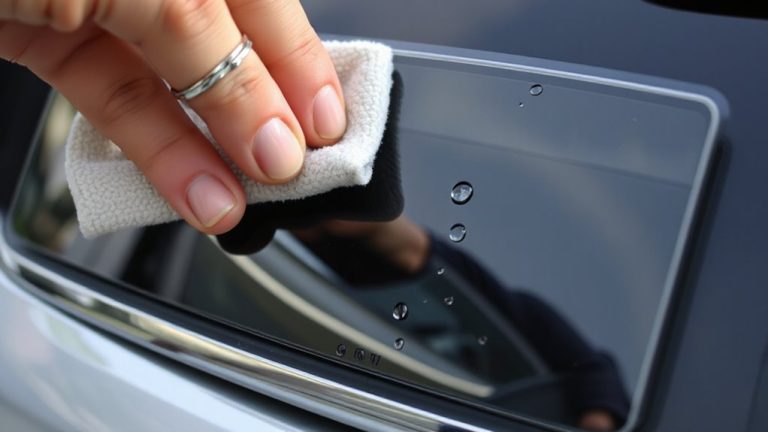
A properly maintained heated windshield delivers reliable performance in cold conditions. Regular windshield cleaning prevents debris and grime from interfering with the heating elements embedded between glass layers. Use a non-abrasive cleaner and soft cloth to avoid damaging the conductive strips, typically 0.002 inches thick. Never use metal scrapers or harsh chemicals, as they can scratch the surface or disrupt electrical conductivity. Check for visible damage like cracks or delamination, which compromise both functionality and electrical safety. The system operates at 12 volts; inspect wiring and connections periodically to guarantee no fraying or corrosion occurs near the windshield’s edge. Avoid parking under trees to reduce environmental wear. If the defroster takes longer than 10 minutes to clear frost, have the circuit tested. Proper care extends the windshield’s lifespan, maintaining efficient de-icing and guaranteeing continued electrical safety.
On a final note
You rely on your heated windshield to maintain visibility in freezing conditions. It uses ultra-thin, embedded tungsten or indium tin oxide (ITO) conductive layers-measuring just 0.001 mm thick-resistant to corrosion and capable of reaching 40°F (4°C) within 60 seconds. This rapid thermal transfer melts ice up to 70% faster than standard defrosters. The system draws 300–500 watts, integrated seamlessly with your vehicle’s electrical architecture for efficient performance.