The Impact of Humidity on Car Maintenance Chemicals and Their Applications
Humidity damages car chemicals fast-especially rubber sealants, metal primers, and epoxies. Above 60% RH, zinc corrosion inhibitors lose 40% effectiveness in 72 hours. Moisture ruins brake cleaners by mixing with solvents like acetone, reducing cleaning power. Ethanol fuel additives phase-separate with just 0.5% water. Use HDPE or PET sealed containers and desiccant storage to protect formulations. Silica-based products clump; waxes separate. Keep humidity below 65% RH. Performance drops when active ingredients degrade-short exposure can still harm hygroscopic products. You’ll see how to prevent failures with proper storage methods.
Notable Insights
- High humidity degrades rubber sealants, metal primers, and epoxy-based compounds by promoting moisture absorption and weakening chemical structure.
- Zinc-based corrosion inhibitors lose effectiveness above 60% relative humidity, reducing protection against rust on automotive surfaces.
- Brake cleaners and fuel additives contaminated by humidity suffer from reduced performance due to water mixing with solvents or phase separation.
- Moisture causes silica-based sealants to prematurely polymerize and wax emulsions to separate, leading to clumping and uneven application.
- Storing car chemicals below 65% RH in sealed, UV-resistant containers with desiccants preserves potency and prevents moisture-related degradation.
Which Car Maintenance Chemicals Are Most Vulnerable to Humidity
Why do some car maintenance chemicals fail prematurely in humid environments? Humidity accelerates chemical degradation in moisture-sensitive formulations. You’ll find that rubber sealants, metal primers, and certain undercoatings are most vulnerable. These products often contain reactive agents that absorb water vapor, leading to clumping, separation, or reduced adhesion. Chemical degradation compromises shelf life and performance. For instance, zinc-based corrosion inhibitors lose efficacy above 60% relative humidity. Oxidation risks also increase-exposed metal treatments can prematurely react with ambient oxygen and moisture, forming inactive oxides. Epoxy-based compounds absorb water at the molecular level, weakening cross-linking during curing. Silica content in some formulations attracts moisture, disrupting viscosity. Ideal storage keeps humidity below 50%. Always check packaging for permeability ratings-low-density polyethylene containers offer less protection than HDPE. Moisture intrusion alters pH levels, degrading active ingredients. Use desiccant-sealed storage for maximum stability.
How Humidity Ruins Brake Cleaners and Fuel Additives
Humidity doesn’t just compromise sealants and primers-it also undermines the performance of brake cleaners and fuel additives. Moisture contamination occurs when airborne humidity infiltrates partially used or poorly sealed containers. Brake cleaners, formulated to be hydrophobic and volatile with flash points around 55°F (13°C), lose effectiveness when water mixes with solvents like acetone or toluene. This causes incomplete cleaning and residue buildup on brake components. In fuel additives, moisture contamination accelerates chemical degradation, particularly in detergent and dispersant compounds. Ethanol-based additives are especially prone, as they attract water and phase-separate at concentrations above 0.5% water by volume. Over time, degraded additives fail to clean injectors or prevent carbon deposits, reducing engine efficiency. Even sealed bottles aren’t immune if stored long-term in environments above 60% relative humidity. The result? Reduced shelf life and compromised performance.
Store Car Chemicals in Humid Climates Without Losing Effectiveness
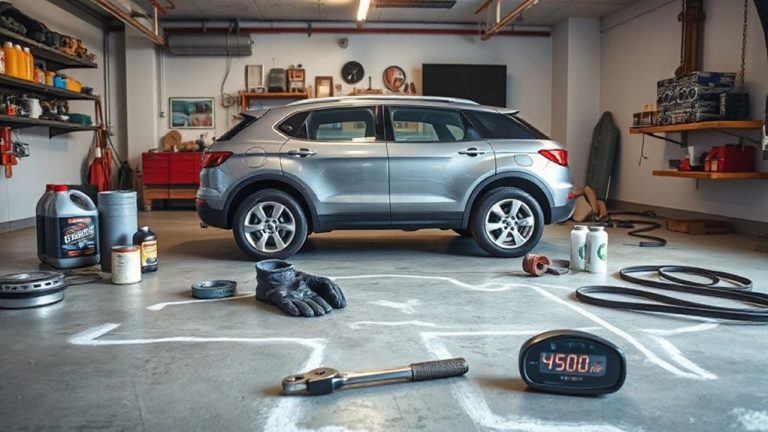
Your car’s maintenance routine depends on chemicals performing as engineered, and that starts with proper storage in humid environments. Keep all products in sealed containers to prevent moisture absorption, which degrades solvents and additives. Store in a space with proper ventilation to reduce condensation and maintain stable air exchange. Avoid garages with humidity above 65% unless climate-controlled. Use opaque, UV-resistant bins to shield chemicals from light and heat fluctuations.
| Storage Factor | Recommended Specification |
|---|---|
| Humidity Level | Below 65% RH |
| Container Type | Tight-sealing, HDPE or PET plastic |
| Ventilation | Passive or active airflow system |
Always label containers with purchase and opening dates. Rotate stock using the first-in, first-out method. Never leave lids off-even briefly-as humidity ingresses rapidly.
Why Wet Weather Weakens Chemical Performance
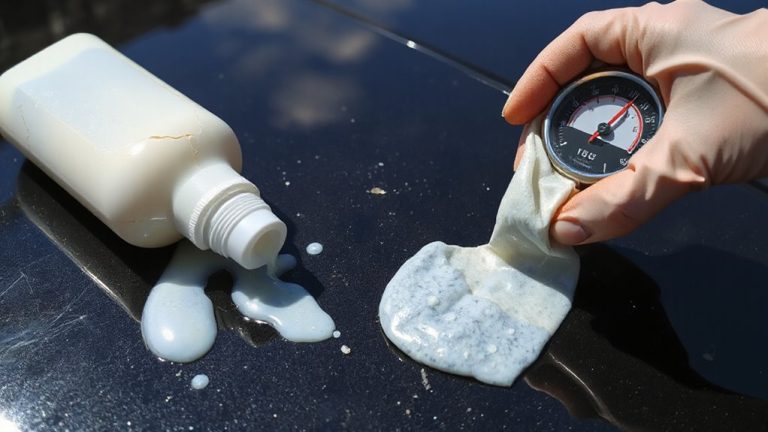
When moisture infiltrates your car maintenance chemicals, their performance drops fast-sometimes within days. Water triggers chemical degradation, breaking down active ingredients in cleaners, degreasers, and protectants. This process reduces potency and shelf life, especially in formulations with alcohols or solvents. Humidity causes reaction interference by altering the precise conditions needed for chemical reactions. For example, rust inhibitors rely on controlled bonding with metal surfaces-excess moisture disrupts this bond, decreasing protection. Silica-based sealants can prematurely polymerize, leading to clumping or inconsistent coverage. Even pH-balanced shampoos lose effectiveness when water dilutes their concentration. You’ll notice slower cleaning action, streaking, or residue. Temperature fluctuations worsen these effects, accelerating breakdown. To maintain performance, store products in sealed containers with desiccants. Check viscosity and odor regularly-signs of change often indicate compromised chemistry. Protect your investment by controlling exposure.
Avoid DIY Mistakes Caused by Moisture in Car Care Products
While invisible, moisture in your car care products can trigger costly DIY errors that compromise both finish quality and product longevity. Contaminated products often suffer from chemical separation, where active ingredients split from their solvent base, reducing effectiveness. This breakdown alters viscosity and flash point, leading to inconsistent coverage and extended drying times. You’ll notice hazing, streaking, or poor adhesion during application-early signs of application failure. Silicone-based polishes, for instance, degrade rapidly above 70% relative humidity, forming sticky residues instead of smooth finishes. Wax emulsions with water intrusion show phase separation, visible as clumping or layering in the container. Always store products in sealed, climate-controlled environments below 75°F. Avoid leaving bottles open during use; even 15 minutes of exposure in high humidity introduces enough moisture to destabilize formulations. Check labels for hygroscopic warnings-these indicate heightened moisture sensitivity.
On a final note
You must store brake cleaners and fuel additives in sealed, climate-controlled environments to maintain efficacy. Humidity above 60% RH degrades isopropyl alcohol-based cleaners, reducing evaporation rates by up to 30%. Moisture-contaminated fuel additives lose 25–40% effectiveness in injector cleaning. Keep products below 77°F (25°C) in low-permeability HDPE or metal containers. Always check SDS sheets for hygroscopic ratings-values above 0.5 g/cm³ indicate high moisture absorption risk.