Promoting Ethical Modifications That Respect Original Vehicle Structural Integrity
You preserve your vehicle’s safety when you choose modifications that maintain its original structural integrity. Never cut, drill, or weld frame rails-they manage crash energy using high-strength steel rated 350–450 MPa. Keep load paths intact to protect crumple zones and passenger protection. Use bolt-on upgrades and ECU reflashes that meet SAE J2118 and ISO 898-1 standards. Stick to plug-and-play parts that don’t alter factory tolerances by more than 0.5 mm. Smart upgrades follow OEM design intent-there’s more to learn about balancing performance and compliance.
Notable Insights
- Maintain original frame rigidity by avoiding cuts, drills, or welds on structural components like frame rails and A-pillars.
- Use bolt-on aftermarket parts that preserve factory load paths and require no permanent alterations to the vehicle.
- Ensure all modifications comply with SAE, DOT, and ISO standards for safety, durability, and material strength.
- Limit suspension changes to within ±15mm of OEM ride height to retain designed handling and crash performance.
- Perform ECU tuning via non-invasive methods that stay within factory safety margins and allow full reversibility.
Why Structural Integrity Defines Ethical Modifications
A vehicle’s frame isn’t just metal; it’s the foundation of safety and performance. Frame rigidity directly impacts handling, crashworthiness, and longevity. When you modify a vehicle, maintaining original rigidity guarantees the structure resists torsional flex under stress. Factory engineers design frames to meet exact tolerances-often within 0.5 millimeters-for maximum alignment. Altering mounting points or cutting structural members reduces this precision. Load distribution depends on uninterrupted force paths from suspension to chassis. Any modification that disrupts these paths risks uneven stress concentration. Poor load distribution can lead to fatigue cracks, component failure, or compromised airbag timing. Ethical modifications preserve these engineered systems. Reinforcements, if added, must match or exceed OEM yield strength-typically 350–450 MPa for high-strength steel. You can’t improve safety by weakening the frame. Respect the blueprint-it’s built that way for a reason.
What Truly Ethical Vehicle Modifications Involve
When you modify a vehicle, every change should enhance or preserve its original safety and performance. Ethical modifications respect structural load paths, material tolerances, and factory crash engineering. You must consider the moral implications of altering a machine designed to protect human life. Upgrades like performance suspension systems (with matched spring rates and damping coefficients) are acceptable when they maintain OEM ride height tolerances within ±15mm. Aftermarket parts should meet or exceed SAE J2118 standards for durability. Design aesthetics matter, but never at the expense of airflow management or aerodynamic stability-functional body kits with measurable downforce gains (e.g., 25–40 lbs at 70 mph) are ideal. Use fasteners rated to ISO 898-1; avoid spot-weld removal on unibody rails. Ethical modification combines technical compliance with responsibility. You aren’t just customizing-you’re stewarding engineering integrity.
Critical Vehicle Zones You Should Never Alter
Because your vehicle’s survival structure depends on precise engineering, never modify areas that compromise crash integrity. The frame rails are engineered to exact tolerances, designed to manage energy during a collision. Altering them-even slightly-disrupts critical load paths, reducing crash protection. Load paths channel impact forces from the front to the rear crumple zones, bypassing the passenger compartment. Cutting, drilling, or welding frame rails changes their strength and flexibility, leading to unpredictable failure modes. Sections like the A-pillars, rocker panels, and floor crossmembers are also integral; they work with the frame rails to maintain structural rigidity. Even high-strength steel modifications can backfire without factory alignment specs. Think of load paths like electrical circuits: break one connection, and the whole system fails. These zones are calculated using finite element analysis during manufacturing. You can’t replicate that at home. Leave them untouched-your safety depends on their original design.
How to Make Safe and Reversible Upgrades
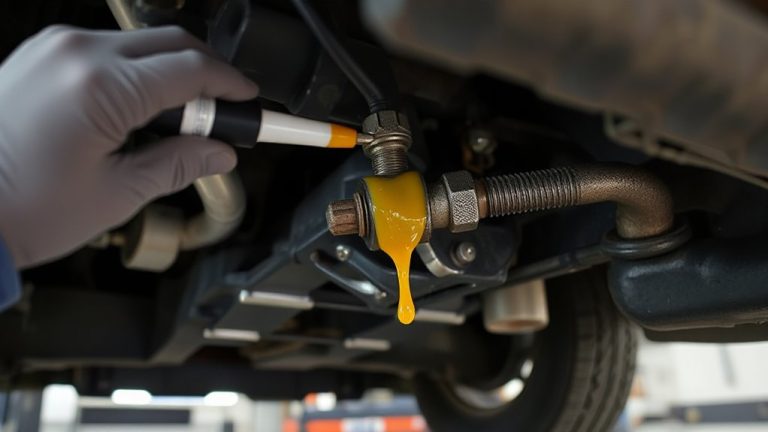
While you can enhance your vehicle’s performance and comfort, it’s essential to choose upgrades that don’t compromise safety or structural integrity. Opt for bolt on upgrades-they attach without altering factory components. Examples include cold air intakes, performance exhausts, and auxiliary lighting. These preserve original design specs and can be removed cleanly. Use non invasive tuning methods like ECU reflashing with reputable software. These adjust fuel curves, timing, and boost levels within safe factory limits. Avoid permanent wiring modifications. Stick to plug-and-play modules verified by OEM standards. Guarantee all aftermarket parts meet SAE or DOT compliance. Bolt on upgrades typically require no welding or frame drilling. They maintain structural rigidity and resale value. Non invasive tuning allows you to revert settings anytime. Your factory warranty stays intact. Always document changes. Test drive post-install to verify system stability. Safe upgrades enhance function without hidden risks. A top choice for maximizing airflow and engine efficiency is the Best Cold Air Intakes for 5.7 Tundra.
When to Hire an Engineer for Major Mods
If you’re altering core systems like suspension geometry, forced induction, or braking performance beyond factory tolerances, you’ll need an engineer to validate structural and functional safety. An engineer guarantees legal compliance and performs a detailed cost analysis to prevent long-term expenses. Major modifications affect load paths, material fatigue, and dynamic stability.
| Modification Type | Engineering Need | Risk Without Review |
|---|---|---|
| Forced Induction Upgrade | Stress on engine mounts, cooling | Head gasket failure |
| Custom Chassis Work | Frame integrity validation | Structural collapse |
| Brake System Redesign | Hydraulic pressure calibration | Reduced stopping power |
| Lowered Suspension | Camber/caster recalibration | Tire wear, loss of control |
| Roll Cage Integration | FEA crash load simulation | Compromised occupant safety |
Skipping expert review risks safety, legality, and resale value. Always consult a certified engineer.
Real-World Examples of Safe vs. Risky Modifications
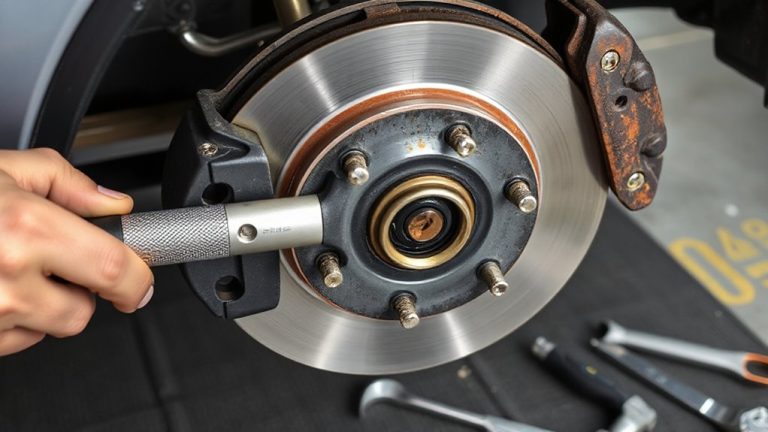
When done correctly, vehicle modifications can enhance performance without compromising safety, but real-world outcomes often depend on adherence to engineering principles and manufacturer specifications. Performance tuning, like ECU remapping within factory limits, improves horsepower by 10–15% without stressing engine components. Upgrading brake pads and rotors with high-temperature materials maintains stopping power under increased load. Conversely, improper turbo installations exceeding recommended boost pressures risk engine failure due to overheating and over-rotation. Cosmetic enhancement, such as non-invasive vinyl wraps, preserves factory body integrity, while poorly bonded widebody kits add structural stress and aerodynamic instability. Aftermarket suspension systems using rated coilovers with proper spring rates maintain alignment geometry; hacked leaf springs disrupt axle alignment. Always use OEM-matched fastener grades-Grade 8.8 or higher-to secure modifications. Safety hinges on precision, not preference.
On a final note
You maintain structural integrity by avoiding modifications to critical load paths like A-pillars, frame rails, and suspension mounts. Altering these compromises crashworthiness and increases failure risk. Use OEM-spec fasteners and follow SAE J2452 standards for modifications. Reversible upgrades, like bolt-on performance suspensions, preserve safety. When changing chassis dynamics, consult a certified mechanical engineer. Ethical mods enhance function without sacrificing safety or original design intent.