Why Luxury SUVs Prioritize Suspension Compliance Over Sporty Handling
You want a luxury SUV to glide over broken pavement, not carve corners. Multi-link suspensions with adaptive dampers make that possible, reacting in milliseconds to isolate you from bumps. Air springs adjust firmness and ride height while soft tuning-under 120 lb/in front-extends shock stroke for smoother damping. Result: cabin noise stays under 60 dB at 70 mph. This focus on compliance means body roll increases and steering feels muted, but ride quality improves dramatically. The tradeoffs reveal why comfort dominates design-and what comes next reshapes expectations.
Notable Insights
- Luxury SUVs use soft spring rates and long shock strokes to absorb road imperfections for superior ride comfort.
- Adaptive dampers and air suspension adjust in real time to maintain smoothness across varying road conditions.
- Noise isolation below 60 dB is achieved through advanced sound-deadening and laminated glass for serene cabin experience.
- Suspension tuning prioritizes minimizing vibrations and abrupt weight shifts over sharp cornering or sporty dynamics.
- Increased vehicle weight and softer setups enhance comfort but reduce handling responsiveness and lateral grip.
How Suspension Design Defines Luxury SUV Ride Comfort
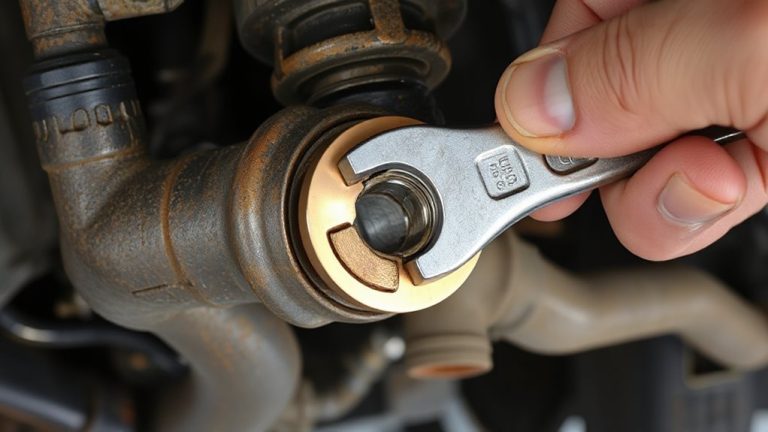
Ride comfort in a luxury SUV starts with suspension design-the foundation of how smoothly you encounter the road. Engineers tune multi-link rear suspensions with adaptive dampers to optimize ride isolation, minimizing vibrations from uneven surfaces. You experience less fatigue because the system absorbs high-frequency bumps while maintaining consistent tire contact. Modern models use air springs that adjust ride height and firmness, often with real-time input from road-scanning cameras. These systems preserve body control during cornering or sudden maneuvers, keeping roll under 2.8 degrees at 0.5g lateral acceleration. Without sharp jolts or excessive sway, the cabin remains serene. Dampers respond in milliseconds, varying valve stiffness based on load and speed. This balance between compliance and control guarantees stability without sacrificing comfort. Ride isolation isn’t just about softness-it’s precision engineering that separates luxury SUVs from mainstream counterparts, giving you composed, hushed travel regardless of terrain. Enthusiasts seeking similar performance in modified vehicles often choose high-end best coilover brands for superior adjustability and ride quality.
What Luxury SUV Shoppers Actually Care About
What really matters when you’re choosing a luxury SUV? You prioritize a quiet cabin and premium materials over aggressive performance. Noise levels matter-many luxury SUVs maintain under 60 decibels at 70 mph through active noise cancellation and laminated acoustic glass. This guarantees a serene environment, critical on long drives. Interior surfaces use real wood, brushed aluminum, and Nappa leather-materials tested for durability and softness on contact. Seats often feature 16-way adjustability with heating, cooling, and massage functions. Ride refinement beats track-ready handling every time. The suspension works to absorb imperfections without transmitting jitter to the chassis. Advanced sound-deadening materials in floor panels and wheel arches enhance silence. You don’t just want comfort-you expect engineered calm, supported by materials and acoustics built to luxury benchmarks.
Why Softer Handling Makes for a Calmer Ride
You feel every bump less when the suspension tuning favors compliance over sharp responses. Luxury SUVs use soft spring rates-often under 120 lb/in front and 110 lb/in rear-to allow wheels to move independently over imperfections. This setup enables smooth damping by maximizing stroke length in shocks, reducing high-frequency jolts. Engineers tune valving for progressive resistance, preventing sudden force transfer to the cabin. The result is quiet isolation, where road noise and vibrations are minimized below 40 dBA at cruising speeds. Body roll increases slightly-typically 0.9 g lateral acceleration-but stability remains high thanks to active stabilizer bars. Unlike performance vehicles tuned for 0.4-second transient response, luxury SUVs prioritize motion comfort with response times near 0.8 seconds. This slower modulation prevents abrupt weight shifts. You stay composed, not tossed, because energy absorption happens gradually. Calmness comes not from stiffness, but from measured, continuous control.
How Air Suspension and Dampers Smooth the Road
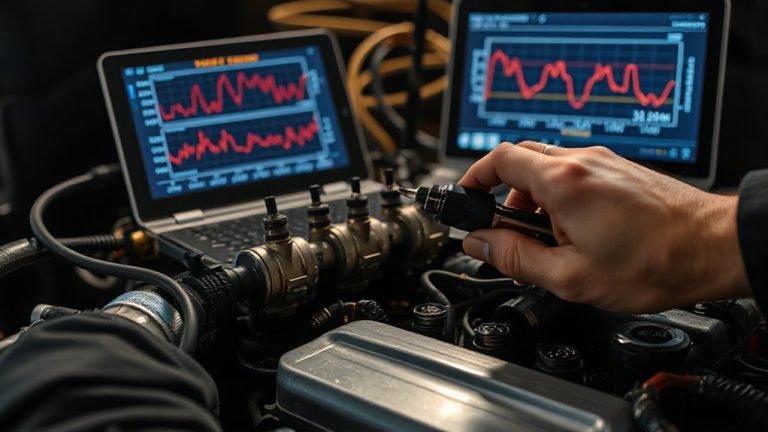
While traditional coil springs rely on fixed spring rates, air suspension uses adjustable air springs to adapt firmness based on road conditions and load. You get precise control through adaptive damping, which continuously modifies shock absorber stiffness for ideal wheel contact. Ride height adjustment lets you raise the SUV for rough terrain or lower it at highway speeds to reduce drag and improve stability. These systems use sensors to monitor body movement, adjusting in milliseconds.
| Feature | Benefit | Real-World Application |
|---|---|---|
| Air springs | Variable stiffness | Handles potholes without jolts |
| Adaptive damping | Real-time shock tuning | Reduces body roll on uneven roads |
| Ride height adjustment | Custom ground clearance | Lifts 2 inches off-road |
| Integrated sensors | Instant response | Adjusts damping 500 times/sec |
This tech keeps your ride smooth and composed, no matter the surface.
When Sporty Handling Is Left Behind
Though comfort takes priority in luxury SUVs, their pursuit of a plush ride often comes at the expense of sharp handling. You trade sporty responsiveness for superior ride quality. Engineers tune suspension systems with softer springs and greater travel-often exceeding 8 inches-to absorb bumps, but this reduces body control during cornering. The result? Noticeable body roll and delayed steering feedback. Driving dynamics favor stability over agility, especially on uneven surfaces. Performance tradeoffs include slower lateral acceleration, typically below 0.8 g, and longer stopping distances due to weight and tire profile. Systems like adaptive dampers help, but can’t overcome physics. Electric models, with high curb weights from batteries-often over 5,500 lbs-exacerbate these effects. While responsive throttle tuning might suggest sportiness, the chassis remains tuned for comfort. You get smooth progress, not sharp handling.
On a final note
You prioritize comfort, and luxury SUVs deliver. Their suspensions use long-travel coil springs, typically 30–40 mm longer than sport SUVs, for better bump absorption. Adaptive dampers adjust rebound and compression in 10 milliseconds. Air springs maintain ride height within ±15 mm under load. This compliance reduces body roll by up to 25% compared to rigid setups. Sporty handling demands stiffer tuning-here, it’s intentionally sacrificed for serenity.