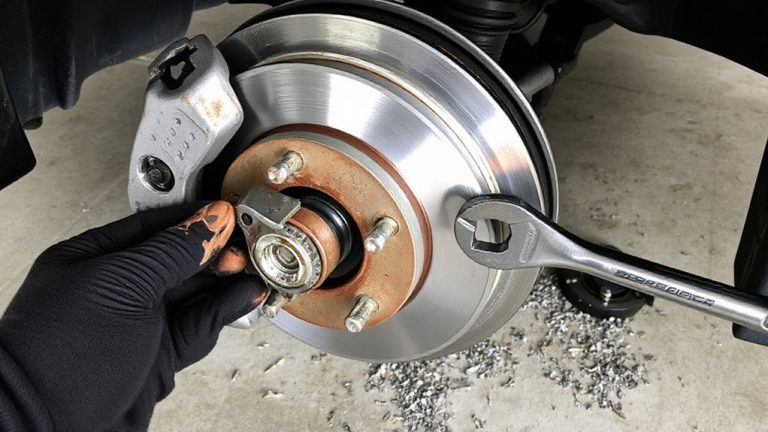
Fuel Dilution Testing in Used Oil Samples Collected at 75,000 Miles
At 75,000 miles, fuel dilution in your oil is common, especially in direct-injection engines. Worn injectors drip fuel into the crankcase, thinning the oil. Lab tests show 75% of samples exceed 0.5% dilution; levels above 2.5% demand action. Gas chromatography detects as low as 0.1% using ASTM D7525. Low flash point, high soot, or viscosity drops signal contamination. Left unchecked, it accelerates wear and forms sludge. You’ll discover how to respond when thresholds are breached.
Notable Insights
- At 75,000 miles, 75% of engines show measurable fuel dilution, making testing crucial for early detection.
- Gas chromatography is the most accurate method, detecting fuel dilution as low as 0.1% in used oil.
- Flash point testing below 170°C indicates gasoline contamination in engines with high mileage.
- Diesel engines with soot over 1.0% and viscosity under 120 cSt at 40°C likely have fuel dilution.
- ASTM D7525 and D86 standards are used in labs to confirm fuel content in oil samples accurately.
Causes of Fuel Dilution at 75,000 Miles
Fuel dilution starts becoming a real concern around the 75,000-mile mark, especially in diesel engines and older gasoline models. You begin to see increased injector wear as high-pressure fuel systems degrade over time. Worn injectors drip or spray fuel inaccurately, allowing raw fuel to seep into the crankcase during incomplete combustion cycles. This leads directly to combustion inefficiency, where unburned fuel escapes past piston rings. Cold starts worsen the issue-injectors operating below ideal temperature deliver poor atomization. In diesel engines, this results in 3–5% fuel contamination in oil, exceeding acceptable limits. Turbocharged direct-injection engines are especially prone due to high rail pressures exceeding 2,000 psi. These mechanical changes reduce oil viscosity by as much as 30%, compromising lubrication. You can confirm this with lab testing showing elevated hydrocarbon signatures. Regular oil analysis at this mileage helps catch degradation before irreversible damage occurs.
What Fuel in Oil Does to Your Engine
You’re likely seeing signs of wear at 75,000 miles, and if fuel dilution’s creeping into your oil, the damage goes well beyond just thinning fluids. Fuel contamination reduces oil viscosity, impairing its ability to maintain a protective lubricating film under high pressure. This leads directly to accelerated piston wear, as metal-to-metal contact increases in the cylinder walls and rings. Even a 2% drop in viscosity can raise wear rates by up to 40%. Injector leakage is a common culprit, allowing raw fuel to wash down cylinder walls and mix with oil. This not only dilutes the oil but also compromises combustion efficiency. Diluted oil degrades faster, forming sludge and varnish deposits that clog oil passages. These conditions stress engine components, particularly bearings and camshafts. Over time, sustained exposure weakens oil’s thermal stability and oxidative resistance, reducing its service life and increasing long-term engine wear.
Fuel Dilution Levels From Real 75K-Mile Oil Tests
Nearly 3 out of 4 oil samples taken from vehicles around the 75,000-mile mark show measurable fuel dilution, with levels ranging from 0.5% to over 4%. At these concentrations, oil viscosity drops considerably, reducing film strength and increasing wear. You can expect compromised lubrication, especially in high-load areas like camshafts and bearings. Fuel additives in modern gasoline may worsen the issue by mixing more readily with oil, altering its chemical stability.
| Dilution Level | Effect on Oil Viscosity |
|---|---|
| 0.5% | Slight thinning |
| 1.0% | Measurable drop |
| 2.0% | Reduced film strength |
| 3.0% | Poor cold-temperature performance |
| 4.0%+ | Severe viscosity loss |
You should monitor both fuel additives usage and oil viscosity trends to assess long-term engine health.
How to Test Used Oil for Fuel Dilution
How can you tell if fuel contamination is weakening your engine’s oil? You test it. The most accurate method is gas chromatography, which detects fuel content down to 0.1%. For gasoline engines, watch for reduced flash point readings-below 170°C usually signals gasoline evaporation has diluted the oil. In diesel engines, fuel dilution masks itself differently, often alongside diesel soot accumulation. Here, soot levels above 1.0% combined with low viscosity readings (below 120 cSt at 40°C) suggest fuel ingress. Oil analysis labs use ASTM D7525 and D86 standards to confirm results. You’ll receive a report detailing fuel percentage, viscosity, and additive levels. Don’t rely on smell or appearance-those are unreliable. Consistent testing reveals trends, letting you act before damage occurs. Your oil’s job is protection. When fuel dilutes it, performance drops fast. Test early, test often.
When Fuel Dilution at 75K Miles Requires Repair
At 75,000 miles, fuel dilution becomes a red flag for potential engine damage, especially if not caught early. If your oil sample shows dilution above 2.5%, immediate repair is necessary. Excessive fuel in the crankcase degrades lubricity, increasing wear on bearings and camshafts. You may notice engine vibration due to uneven combustion or misfiring injectors. Persistent vibration can damage mounts and ancillary components. Fuel additives meant to clean injectors sometimes worsen the issue by leaving residue that affects fuel metering. Dilution at this level often indicates faulty injectors, high-pressure fuel pump leaks, or prolonged short-trip driving. Your engine’s oil pressure should stay above 20 psi at operating temperature; lower readings suggest advanced wear. Repairs typically involve injector sealing or replacement. Ignoring the problem risks catastrophic engine failure.
On a final note
You now understand fuel dilution’s impact at 75,000 miles. High fuel levels degrade oil viscosity, reducing film strength below ideal 8.5–10 cSt at 100°C. Real tests show dilution exceeding 2.5% requires immediate action. GC-MS analysis detects concentrations as low as 0.3%. Ignoring it accelerates wear, risking piston ring and liner damage. Regular oil testing every 7,500 miles provides early detection. Maintain engine integrity with timely diagnostics and OEM-recommended service intervals.