How to Protect Chrome Exhaust Tips From Soot and Moisture
Wash your chrome exhaust tips weekly with a soft microfiber cloth to remove soot and prevent corrosion. Use pH-neutral soap (7.0) to avoid damaging the 0.0002–0.0005 inch plating. Dry immediately with a chamois towel to stop water spots. Apply a ceramic-based coating rated to 1200°F every 3–4 months for lasting protection. Use silicone exhaust tip covers in winter. Inspect monthly for rust. A consistent routine keeps chrome bright and resilient under harsh conditions-there’s more to optimizing longevity.
Notable Insights
- Apply a ceramic-based, heat-resistant coating rated up to 1200°F to shield chrome exhaust tips from soot and moisture.
- Wash weekly with pH-neutral soap and a microfiber cloth to remove corrosive residues before they damage the surface.
- Dry immediately after washing using a chamois towel to prevent water spots and mineral deposit buildup.
- Seal with a chrome-specific sealant every 3–4 months to create a hydrophobic barrier against moisture and contaminants.
- Install neoprene or silicone exhaust tip covers to block moisture, snow, and soot when the vehicle is parked.
Stop Chrome Tips From Dulling Too Soon
You can keep your chrome exhaust tips looking new by understanding how environmental exposure accelerates oxidation and surface degradation. Chrome polishing techniques restore luster by removing thin layers of oxidized metal. Use a non-abrasive chrome polish and microfiber cloth to avoid micro-scratches. Apply polish in circular motions, then buff to a high shine. For lasting protection, apply a heat resistant coating rated up to 1200°F. These ceramic-based coatings form a sacrificial barrier against thermal cycling and corrosive exhaust byproducts. Most resist UV radiation, acid rain, and road salts. A properly applied coating lasts up to two years. Reapplication is simple but requires complete cooling of the exhaust system. Do not apply to damaged or pitted surfaces-proper substrate prep guarantees adhesion. Routine maintenance with these methods preserves reflectivity and structural integrity, minimizing long-term degradation from heat and weather.
Wash Chrome Exhaust Tips Weekly
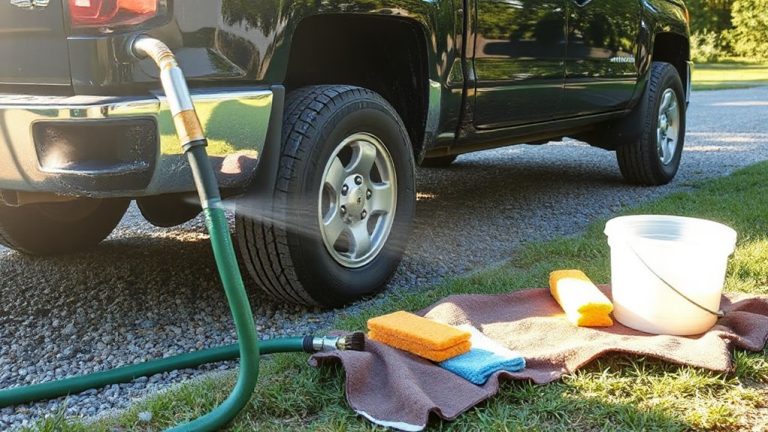
Regularly washing your chrome exhaust tips helps prevent buildup of corrosive residues that accelerate tarnishing. You should clean them weekly to maintain integrity and appearance. Use a soft microfiber cloth and gently wipe the surface to avoid micro-scratches. After cleaning, perform immediate water drying with a chamois towel to prevent water spots and mineral deposits. Residual moisture leads to oxidation, especially in humid climates or coastal areas with high salt content in the air. For best results, schedule chrome polishing every two to three washes to restore luster and reinforce protective layers. Polishing removes fine contaminants embedded in the metal’s pores. Avoid abrasive compounds; instead, use a precision-grade chrome-specific polish. Weekly maintenance prolongs finish life by up to 60% compared to monthly cleaning. Consistent care guarantees reflective clarity and structural durability under thermal cycling and exhaust exposure.
Use pH-Neutral Soap on Chrome Tips
A single misuse of harsh detergent can compromise the integrity of chrome exhaust tips, leading to premature dulling and pitting. For effective chrome care, always use a pH-neutral soap with a balanced 7.0 pH level. Harsh chemicals strip protective layers and accelerate corrosion. You preserve finish longevity by maintaining a proper polish frequency-once every 4–6 weeks under normal conditions. Regular use of acidic or alkaline cleaners degrades microscopic chrome plating, measured at just 0.0002 to 0.0005 inches thick.
| Factor | Impact on Chrome Tips |
|---|---|
| pH < 6 | Causes etching and corrosion |
| pH > 8 | Strips protective oxide layer |
| Weekly washing | Reduces buildup safely |
| Polish frequency | Determines shine retention |
This practice guarantees maximum reflectivity and resistance to soot and moisture exposure.
Seal Chrome Exhaust Tips After Washing
Once the chrome exhaust tips are thoroughly cleaned and dried, applying a protective sealant becomes essential to prolong their appearance and structural integrity. You should use a high-quality chrome sealant designed to resist moisture and oxidation. Proper sealing techniques, like applying thin, even coats with a microfiber applicator, guarantee uniform coverage without streaks. This protects the electroplating quality by shielding the thin chromium layer from environmental contaminants. Most sealants contain polymers or silicones that bond to the surface, creating a hydrophobic barrier. Reapply every 3–4 months for best results, or after frequent washes. A well-sealed tip can maintain reflectivity and resist micro-pitting far longer than unsealed chrome. Avoid petroleum-based products-they degrade the plating over time. Consistent sealing maintains both durability and finish, preserving your exhaust’s factory-like appearance under real-world conditions.
Keep Chrome Tips Away From Road Salt
Exposing your chrome exhaust tips to road salt accelerates corrosion by breaking down the protective chromium oxide layer that shields the underlying metal. This chemical reaction compromises chrome protection, leaving surfaces vulnerable to pitting and rust. Salt exposure is especially damaging in high-humidity environments or temperatures below 40°F, where chloride ions become more reactive. Road salt, often composed of sodium chloride or calcium chloride, adheres to metal and draws in moisture, creating a persistent corrosive film. To minimize damage, avoid driving on salted roads during winter months. If unavoidable, flush the exhaust area with distilled water within 48 hours. Distilled water, with 0 ppm chloride, prevents further ionic transfer. Regular inspections can detect early erosion, where surface roughness exceeds 32 microinches Ra, signaling compromised integrity. You must act swiftly to preserve both function and appearance.
Install Exhaust Tip Covers in Winter
While winter conditions can accelerate corrosion, installing exhaust tip covers adds a reliable barrier against snow, ice, and road contaminants. These covers prevent moisture intrusion, reducing condensation buildup inside the exhaust system. Most models are made from durable, weather-resistant materials like neoprene or silicone, with temperature tolerances up to 500°F. A snug fit is essential-standard diameters range from 3 to 4 inches, so measuring your tip guarantees proper coverage. Covers with elastic hems or drawstring closures stay in place during high winds. By sealing the tip overnight or during prolonged parking, you minimize exposure to salt-laden slush and humidity. This simple step markedly slows winter corrosion, especially in climates with frequent freeze-thaw cycles. Unlike painted or coated metals, chrome is vulnerable to pitting when exposed to persistent dampness. An exhaust tip cover isn’t a permanent fix, but it’s an effective seasonal defense that prolongs finish integrity.
Check for Rust on Chrome Tips Monthly
You’ve already taken steps to shield your chrome exhaust tips from winter’s harsh elements with protective covers, but defense doesn’t stop at prevention-regular inspection is your next line of protection. Perform a monthly rust inspection to catch early signs of chrome corrosion. Use a flashlight and magnifying glass to examine seams and edges-common sites for pitting. Chrome plating is typically 0.0005 to 0.001 inches thick; once corrosion breaches this layer, the underlying steel oxidizes rapidly. Wipe the surface with a microfiber cloth dampened in isopropyl alcohol to remove contaminants before inspection. Look for discoloration-brownish spots indicate iron oxide, signaling failure of the protective layer. If you spot flaking or bubbling, corrosion is advanced. Address minor issues immediately with a chrome polish and protective wax. Consistent checks prevent structural damage and preserve exhaust system longevity.
On a final note
Your chrome exhaust tips need consistent care to resist soot and moisture. Wash weekly with pH-neutral soap to prevent surface etching. Apply a silicone-based sealant after cleaning-it repels water and lasts up to 6 weeks. Avoid road salt; it corrodes chrome plating, which is typically 0.0002 to 0.0005 inches thick. Use snug-fitting polyethylene covers in winter. Inspect monthly for rust at cut edges or weld points.