The Importance of Avoiding Over-Saturation When Cleaning Door Seals
You risk over-saturation when using more than 30 ml of cleaning solution per 103 cm² of seal surface. Excess fluid seeps into crevices, causing rubber to absorb water beyond 5% by weight and weakening tensile strength from 10 MPa to under 6 MPa over time. Avoid direct spraying; use a microfiber cloth with a pH-neutral solution. Pooling accelerates material degradation, especially in EPDM and silicone seals. Immediate drying prevents mold and swelling up to 3.8 mm. Proper technique preserves compression set below 20%. There’s a smarter way to protect your seals long-term.
Notable Insights
- Over-saturation forces cleaning solution into seal crevices, weakening rubber compounds and degrading material integrity.
- Excess liquid causes swelling, reducing seal effectiveness and creating gaps up to 3.8 mm.
- Water absorption above 5% by weight compromises structural strength and promotes long-term damage.
- Harsh chemicals and over-wetting leach plasticizers, making seals brittle and reducing tensile strength.
- Proper cleaning with a microfiber cloth and pH-neutral solution prevents residue and moisture entrapment.
How Much Cleaning Solution Is Too Much?
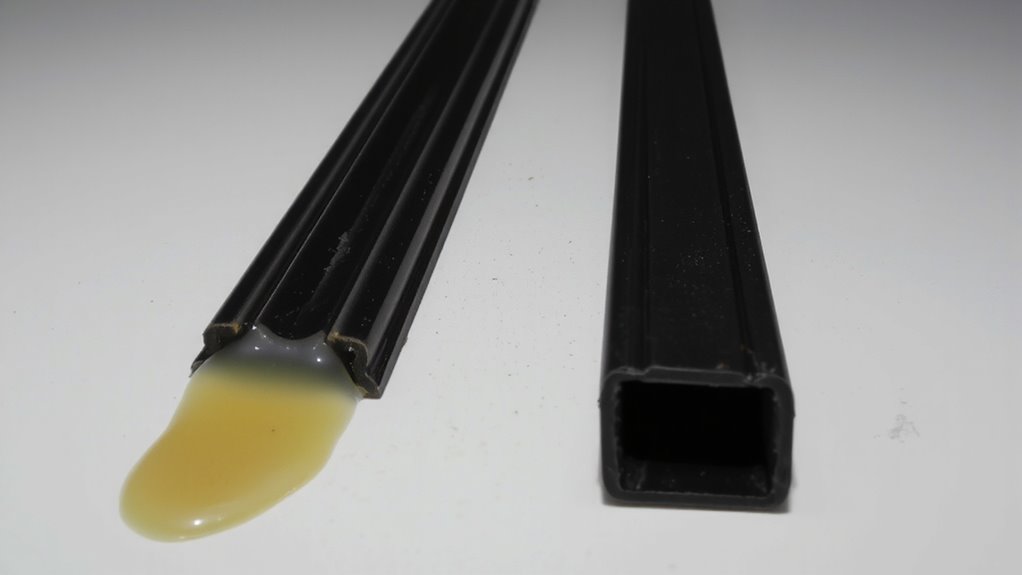
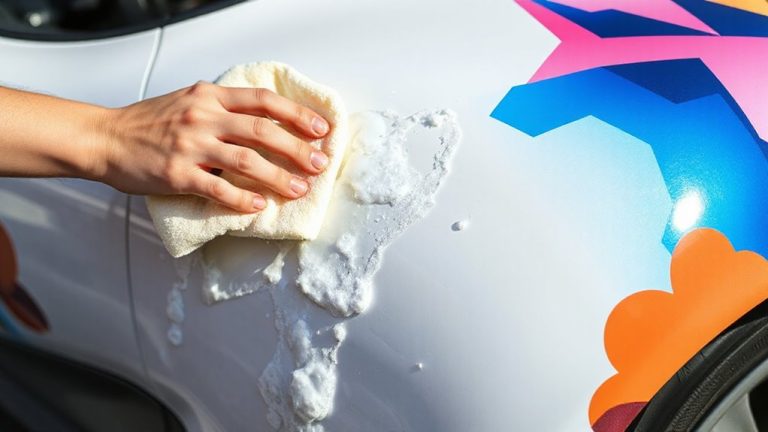
A little cleaning solution goes a long way-too much can lead to residue buildup and material degradation. One ounce (30 ml) of diluted cleaner per 16 square inches (103 cm²) is sufficient. Excessive spray forces liquid into seal crevices, promoting chemical buildup that weakens rubber compounds. Most manufacturers specify pH-balanced solutions between 6.5 and 8.5 to prevent polymer breakdown. You should apply solution with a microfiber cloth, not directly from a sprayer, to maintain control. Over-saturation risks penetrating the door’s inner lining, potentially corroding metal substrates or fostering mold. Residual moisture from excess solution reduces adhesion over time. Think of it like watering a plant-consistent, measured amounts nurture; flooding destroys. Limit spray to a fine mist if used, and never allow pooling. Proper application preserves seal integrity, maintains flexibility, and extends service life by up to 40%. Your diligence prevents premature failure.
Dry Door Seals the Right Way
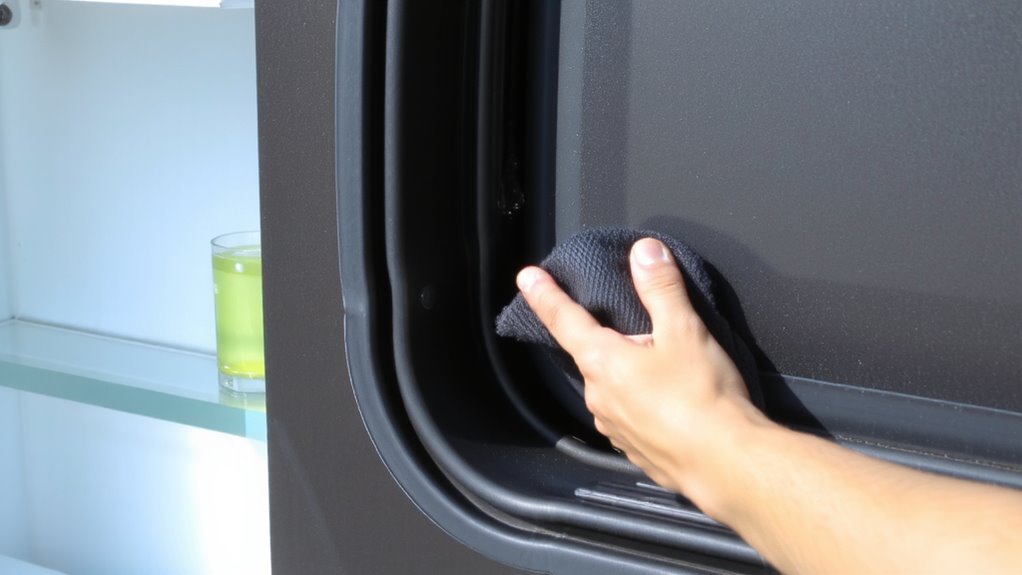
While moisture left in door seals can lead to mold growth and material breakdown, drying them properly guarantees long-term durability. Use a clean, absorbent microfiber cloth to gently wipe excess water from the seal’s surface and crevices. Avoid forcing airflow with compressed air, as it can distort soft rubber. Instead, open the door fully to maximize natural air flow, allowing trapped moisture to evaporate gradually. Maintain consistent moisture balance by ensuring the surrounding environment isn’t excessively humid-ideally, relative humidity should stay below 60%. For best results, leave the door open for at least 30 minutes after cleaning. This passive drying method prevents microfractures in rubber caused by rapid expansion. Proper drying preserves elasticity, prevents warping, and extends seal life by up to 40%. Effective moisture control is essential-not just for cleanliness, but for long-term performance.
Use the Safest Lubricant for Door Seals
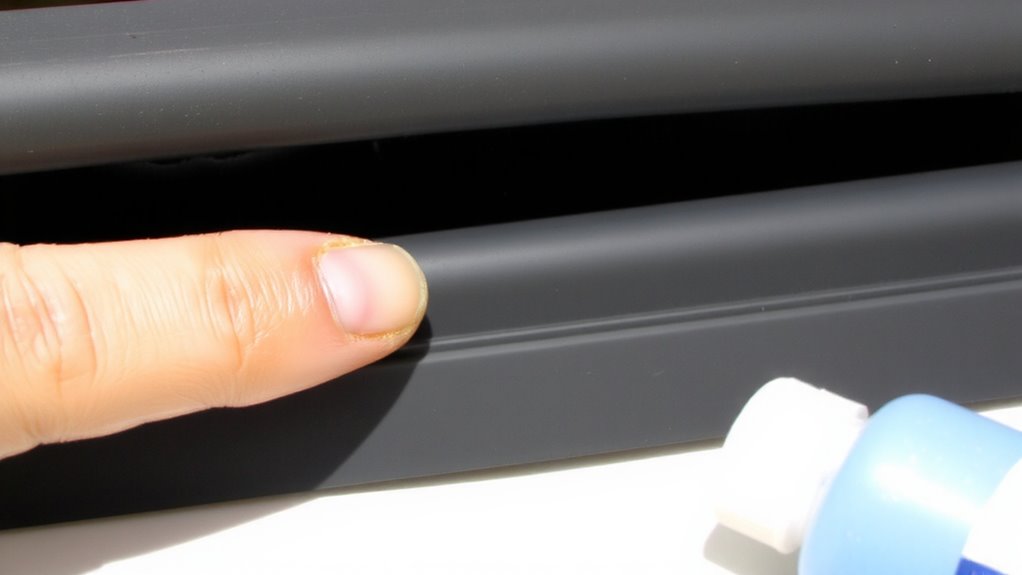
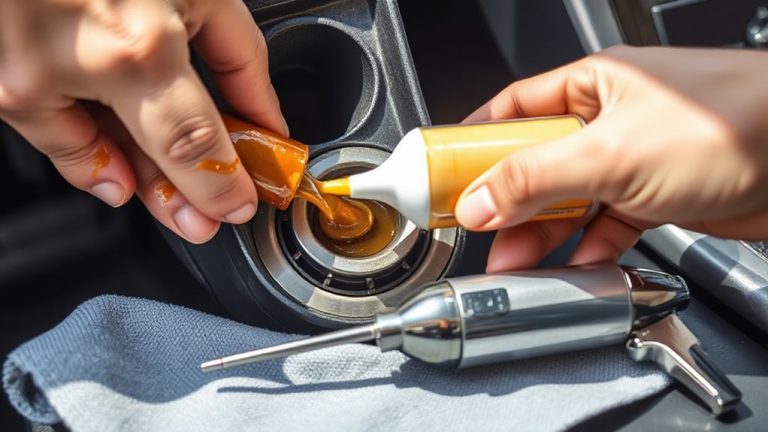
One wrong lubricant can degrade your door seal within months. Choose products with proven material compatibility to prevent cracking or stiffness. Silicone-based lubricants are safest-they don’t react with rubber compounds like EPDM or thermoplastic vulcanizate (TPV). Petroleum-based lubes soften seals too aggressively, leading to permanent deformation. For effective seal conditioning, use a water-dispersible silicone formula with a viscosity of 1,000 to 5,000 cSt. This range guarantees deep penetration without residue buildup. Apply only 2–3 grams per door jamb using a microfiber applicator. Over-lubrication traps dirt and stresses the rubber, accelerating wear. Lubricants with UV inhibitors extend service life by up to 40%. Always verify compatibility with OEM specifications-most manufacturers require NSF-regulated, non-toxic formulas. Proper selection maintains flexibility and compression set resistance. Seal conditioning isn’t maintenance-it’s preservation. Use the right product, and your seals last markedly longer.
Stop Mold and Swelling in Door Seals
If you’ve noticed discolored streaks or a spongy feel along your door seals, moisture trapped in the rubber is likely feeding mold growth and causing premature swelling. Mold thrives in damp, dark environments, especially when air circulation is limited. Proper airflow disrupts humidity pockets, reducing the chance of microbial development. Maintain steady temperature control to prevent condensation buildup-ideal interior ranges from 60–75°F (15–24°C). Fluctuations encourage moisture accumulation within porous rubber matrices. Clean seals with minimal moisture, never soaking them. Allow complete drying after cleaning; use microfiber cloths to wick excess water. Consider silica gel packs or ventilation gaps near door frames to improve environmental stability. Swelling compromises seal integrity, leading to gaps up to 0.15 inches (3.8 mm), reducing weatherproofing efficiency by 40%. Consistent air circulation and stable temperature control inhibit degradation, extending seal life by up to 30%. Prevention is measurable.
Recognize Over-Cleaning Damage Early
Excessive cleaning can compromise the integrity of door seals more quickly than expected. Repeated exposure to strong cleaners or too much moisture accelerates material degradation and promotes crack formation. These defects often start small but expand under thermal cycling and mechanical stress. You must inspect seals monthly under normal use, more often in extreme climates.
Visible whitening or surface checking are early signs of polymer breakdown. Once cracks form, even microscopically, the seal’s ability to block water and air diminishes markedly.
| Damage Type | Appearance | Recommended Action |
|---|---|---|
| Surface crazing | Fine web-like marks | Monitor closely |
| Cracks (>0.5 mm) | Visible splits | Plan for replacement |
| Loss of elasticity | Seal doesn’t rebound | Replace immediately |
| Discoloration | Dark or chalky areas | Assess for degradation |
| Flaking material | Peeling outer layer | Replace-seal is failing |
Address crack formation and material degradation early to prevent system failure.
Why Over-Saturation Ruins Door Seals
While cleaning is essential for maintaining door seal performance, soaking the material for too long breaks down its molecular structure faster than normal wear. Prolonged exposure to cleaning solutions causes chemical damage, especially with harsh detergents or solvents. These chemicals penetrate the seal’s surface, accelerating material breakdown. Most door seals are made from EPDM rubber or silicone, both susceptible to swelling and softening when saturated. Water absorption rates above 5% by weight compromise structural integrity. You’ll notice cracks or tearing within weeks. The seals lose tensile strength-dropping from 10 MPa to under 6 MPa after just ten over-saturated cycles. Even manufacturer-approved cleaners cause harm when left in contact longer than two minutes. Saturation beyond recommended limits leaches plasticizers, making the seal brittle. This degradation isn’t always visible at first but reduces lifespan markedly. Avoid immersion; use a damp cloth instead.
Keep Door Seals Flexible for Years
You can preserve door seal flexibility for years with proper maintenance and the right cleaning technique. Use cleaners specifically designed for your seal’s material to guarantee material compatibility and prevent cracking or hardening. Most rubber and thermoplastic elastomer (TPE) seals degrade when exposed to petroleum-based solvents or high-pH cleaners. Wipe seals with a damp microfiber cloth and a pH-neutral solution (between 6.5 and 7.5). Rinse minimally and dry immediately to avoid moisture entrapment. Apply a silicone-based protectant every three months to maintain elasticity. Avoid oil-based conditioners-they accelerate ozone degradation. Proper care extends seal longevity by up to 50%, maintaining a consistent compression set below 20% over five years. Consistent durometer readings (measured at 50–60 Shore A) indicate retained flexibility. Monitoring these factors guarantees reliable performance, like a suspension system absorbing road shocks without wear.
On a final note
You prevent seal damage by using minimal cleaning solution. Excess moisture compromises rubber integrity, leading to swelling and mold. Dry seals thoroughly with a microfiber cloth to avoid trapped humidity. Apply a silicone-based lubricant-never petroleum-based-to maintain flexibility without degradation. Over-saturation causes premature cracking, reducing seal lifespan by up to 50%. Inspect monthly for stiffness or discoloration, signs of over-cleaning. Proper care preserves elasticity and sealing performance for over five years.