Detecting and Addressing Pest Infestations in Stored Vehicles
You can spot early signs of pests by looking for 3–8 mm dark, tapered droppings near air filters or wiring. Gnaw marks on 14-gauge wires or insulation expose conductors and raise fire risks. Seal gaps over 1/16 inch with polyurethane caulk and 18-gauge steel mesh. Use ultrasonic repellents (20–60 kHz) and peppermint oil in vents. Clean with HEPA vacuums and enzymatic cleaners. For persistent issues, professional-grade IGRs and thermal mapping guarantee complete elimination.
Notable Insights
- Look for dark, cylindrical droppings near air filters or wiring to detect recent rodent activity.
- Inspect for gnaw marks on wires and hoses, which signal active infestation and potential safety hazards.
- Seal ventilation gaps and cracks larger than 1/16 inch using steel mesh and polyurethane caulk.
- Use ultrasonic repellents and peppermint oil to deter pests; rotate methods to prevent adaptation.
- Clean with HEPA vacuuming and disinfectants, then replace contaminated filters and insulation after an infestation.
Spot Early Signs of Pest Infestation
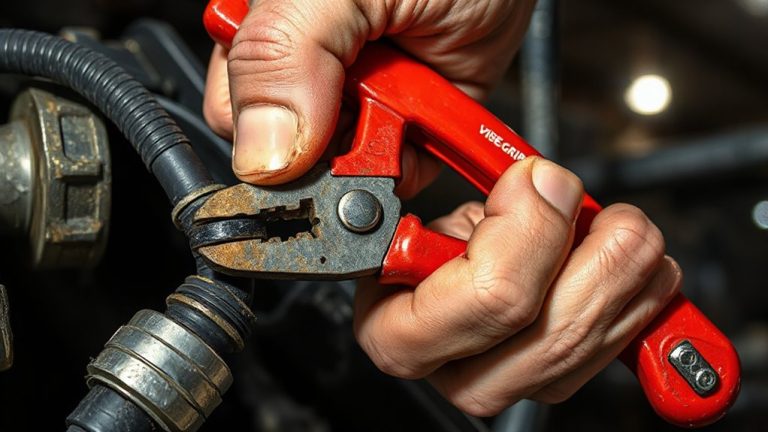
Have you noticed unusual droppings or gnaw marks under the hood or in the cabin? These are primary indicators of a pest infestation. Rodent droppings, typically 3–8 mm long and dark, cylindrical, and tapered, suggest recent activity. Fresh droppings may indicate active nesting, often found near air filters, insulation, or wiring harnesses. Gnaw marks on wires, hoses, or plastic components are unmistakable-rodents chew to wear down incisors, which grow continuously. Inspect wiring with a borescope; damaged insulation exposes copper conductors, increasing short-circuit risks. Chewed HVAC hoses may leak refrigerant, reducing cooling efficiency by up to 40%. Use a flashlight to check confined spaces-rodents favor dark, warm zones like the engine bay or cabin air filter housing. Early detection prevents costly repairs. Document findings with timestamps and photos for service records. Address signs immediately-ignoring them risks electrical failure, fire, or compromised structural integrity.
Seal Your Stored Vehicle From Pests
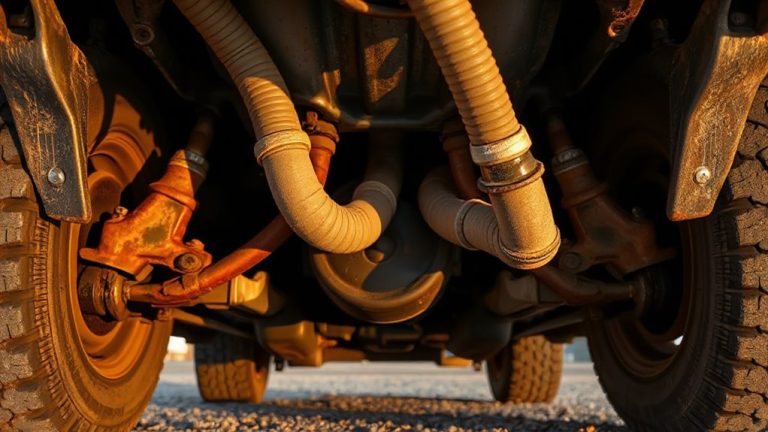
While pests can compromise even the most meticulously maintained stored vehicle, sealing entry points effectively denies them access. Start by inspecting all ventilation gaps, which often measure between 1/8 to 1/4 inch and serve as prime entry routes for rodents and insects. Use durable mesh screens with a minimum 18-gauge steel construction to cover these openings. Seal exterior cracks larger than 1/16 inch using polyurethane-based caulking material, which remains flexible across temperature extremes. Pay close attention to areas around door seals, wheel wells, and undercarriage panels. Apply rubber or foam grommets in unused wiring conduits to block hidden pathways. Guarantee weatherstripping maintains compression against frame surfaces, preventing gaps from forming. A properly sealed vehicle enclosure reduces infestation risk by up to 90%, according to pest management field studies. Regular inspections every 30 days maintain integrity.
Use Effective Pest Repellents for Vehicles
If you want to keep pests out of your stored vehicle, relying solely on physical barriers isn’t enough-you need active repellents that target specific species. Ultrasonic repellents emit high-frequency sound waves, typically between 20–60 kHz, which irritate rodents and insects without harming humans. These devices draw 12 volts, plug into your vehicle’s cigarette lighter, and cover up to 400 square feet. They’re effective in enclosed spaces like cabins and trunks. Natural deterrents offer a chemical-free alternative. Peppermint oil, soaked into cotton balls and placed in vents and corners, repels mice due to its intense aroma. Mothballs release vapors that deter fabric-chewing insects but require ventilation to avoid harmful buildup. Steel wool treated with predator urine acts as both a sealant and repellent. Combine ultrasonic units with natural deterrents for layered protection. Rotate deterrent types every few months to prevent pest acclimation.
Clean and Decontaminate an Infested Vehicle
Since pests leave behind health hazards and structural damage, thoroughly cleaning and decontaminating an infested vehicle is critical before reuse. Begin by removing all debris, nesting materials, and droppings using gloves and an N95 mask. Vacuum every surface with a HEPA-filter-equipped vacuum to capture fine particles. Apply an EPA-registered disinfectant to non-porous areas, allowing a 10-minute dwell time for effective sanitation procedures. For interior detailing, use enzymatic cleaners to break down organic residues on upholstery and carpets. Steam clean at 250°F to kill remaining pathogens and sanitize seams and crevices. Wipe down hard surfaces with isopropyl alcohol (70% concentration) to guarantee microbial control. Replace contaminated air filters and insulation if compromised. Conduct a final odor and moisture inspection to verify cleanliness. Proper decontamination restores safety and function.
Store Your Vehicle to Prevent Pest Entry
You’ve cleaned and decontaminated your vehicle-now it’s time to keep pests from coming back. Effective pest exclusion begins with sealing all potential entry points. Inspect seams, wheel wells, and undercarriage areas for gaps larger than 1/4 inch-rodents can squeeze through openings that size. Use durable mesh or steel wool, then seal with exterior-grade silicone caulk. Focus on areas around wiring harnesses, hoses, and vents. Upgrade or repair damaged vehicle insulation, especially in the firewall and door panels, as compromised materials reduce thermal resistance and create nesting opportunities. Proper insulation also deters pests by limiting warm, sheltered spaces. Store your vehicle in a dry, enclosed space with closed doors and no clutter. Consider a breathable car cover with reinforced seams to add a physical barrier. These steps guarantee long-term pest exclusion and protect interior and mechanical components during storage.
Know When to Call a Pest Control Pro
How do you know when pests have crossed the line from nuisance to serious infestation? You need professional help when droppings, gnaw marks, or nests damage wiring, insulation, or upholstery. Rodent chew marks on 14-gauge wiring increase fire risk by exposing live conductors. If you detect a musty odor or see droppings larger than 6 mm, you likely have rodents. Insect infestations involving ticks or bed bugs require EPA-registered pesticides and controlled environments. You risk voiding warranty coverage if unlicensed treatments alter vehicle materials or electronics. Pests also pose legal liabilities-especially in commercial fleets-where health codes or transport regulations apply. Persistent infestations can breach storage facility contracts, triggering fines. Pest control pros use IGRs (insect growth regulators) and thermal mapping to eliminate colonies without damaging components. They provide documentation for compliance and preserve warranty coverage. When structural integrity or safety systems are compromised, calling a licensed exterminator isn’t optional-it’s a necessary mitigation step.
On a final note
You must act quickly to protect your stored vehicle from pests. Rodents can chew through wiring, causing shorts and fire risks. Seal entry points with steel wool or metal mesh, gaps larger than ¼ inch are vulnerable. Use ultrasonic repellents emitting 32–62 kHz or natural deterrents like peppermint oil. Clean nests with EPA-approved disinfectants. For severe infestations, contact licensed pest control pros. Proper storage prevents damage and maintains vehicle integrity.