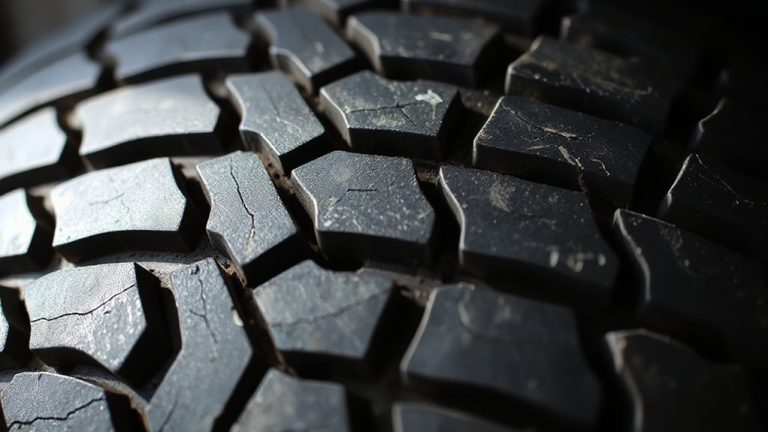
How Brake Dust Accumulation Accelerates Caliper Heat-Induced Paint Fade
Brake dust buildup acts like a thermal blanket, trapping heat on your calipers and raising surface temperatures beyond 500°F-enough to destroy standard epoxy paint in just a few cycles. Metallic particles from pads and rotors insulate the caliper, reducing cooling efficiency by up to 30%. Prolonged exposure causes microcracking, bubbling, and eventual coating failure. Regular cleaning removes this heat-retaining layer, slowing degradation. High-temp ceramic coatings offer better protection, surviving up to 1200°F. You’ll discover advanced solutions and maintenance timing next.
Notable Insights
- Brake dust forms an insulating layer that traps heat, increasing caliper surface temperatures beyond 500°F.
- Trapped heat accelerates thermal decomposition of standard epoxy-based paints, starting at 350°F.
- Metal particles in brake dust conduct heat, promoting uneven heating and microcracking in the paint.
- Heat retention from dust buildup reduces cooling efficiency by up to 30%, worsening thermal cycling damage.
- High-iron brake dust residues chemically react with paint at elevated temperatures, speeding up discoloration and failure.
What Causes Caliper Paint Fade?
While brake dust is often blamed for caliper paint fade, the real culprit is typically prolonged exposure to excessive heat and corrosive byproducts generated during braking. You experience material degradation when paint coatings break down under temperatures exceeding 500°F, common in performance or heavy-duty applications. Thermal cycling-repeated heating and cooling-causes the metal and paint to expand and contract at different rates, leading to microcracking and eventual delamination. This process accelerates when high-iron-content brake pads release metallic residues that react chemically with protective layers. Standard epoxy-based caliper paints fail after just 3–5 thermal cycles above 600°F. High-temp ceramics withstand up to 1,200°F and resist corrosion better, lasting 15+ cycles under the same conditions. Proper surface prep-removing grease, rust, and old coatings-is essential for adhesion. You need durability tested under real-world thermal stress, not just lab ideals.
How Does Brake Dust Trap Heat on Calipers?
Brake dust isn’t just a visual nuisance-it actively contributes to heat retention on calipers by forming a dense, insulating layer over the surface. This layer increases thermal retention, trapping heat that would otherwise dissipate into the air. You’re dealing with microscopic metal particles from pads and rotors, which bond tightly to caliper surfaces. These particles have high heat absorption rates, especially under repeated braking. Once accumulated, the dust acts like a thermal blanket, reducing the caliper’s ability to cool by up to 30%. Surface temperatures can exceed 500°F during normal driving. That sustained heat builds underneath the dust layer, concentrating thermal stress on the paint. Unlike bare metal, paint can’t conduct heat efficiently, so trapped energy accelerates degradation. Dust buildup is worst in stop-and-go traffic, where frequent braking generates more residue. Cleaning calipers regularly disrupts this cycle, restoring thermal efficiency and protecting finish integrity.
Why Heat Ruins Caliper Paint Over Time?
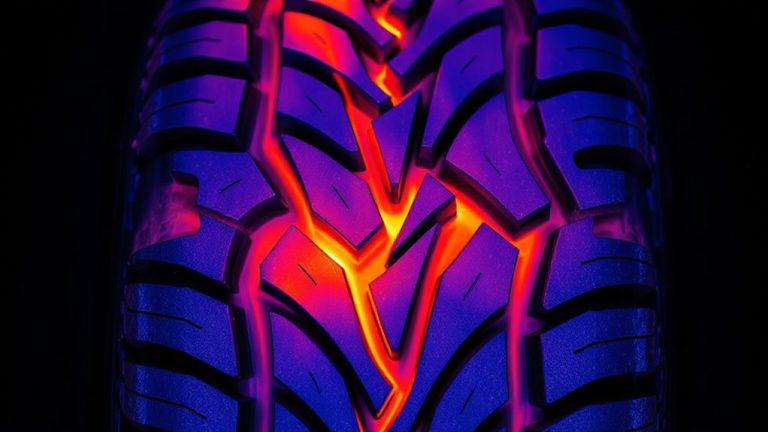
When exposed to sustained temperatures above 350°F, caliper paint begins to undergo thermal decomposition, losing its protective and aesthetic properties. You experience material degradation as molecular bonds in the paint break down, leading to discoloration and flaking. Repeated thermal stress from braking cycles accelerates this process, especially on performance vehicles. The paint can’t expand and contract at the same rate as the metal, causing microcracks. Over time, these flaws compromise the coating’s integrity. Dust buildup worsens heat retention, intensifying the damage. Consider this:
| Temperature Range | Effect on Paint | Resulting Damage |
|---|---|---|
| 350–400°F | Initial breakdown | Discoloration |
| 400–500°F | Accelerated oxidation | Bubbling, peeling |
| 500°F+ | Severe material degradation | Complete coating failure |
You’ll see permanent fade develop long before total failure.
Does Cleaning Calipers Prevent Permanent Fade?
How often do you clean your calipers-weekly, monthly, or only when they’re caked in grime? Regular cleaning helps prevent permanent paint fade. Brake dust contains metallic particles that, when heated, accelerate material degradation of caliper coatings. These abrasive compounds cling to surfaces due to strong surface adhesion, especially on textured or poorly cured finishes. Over time, trapped dust retains heat, increasing thermal cycling stress. This repeated expansion and contraction weaken paint integrity. Cleaning removes the conductive layer of dust, reducing localized temperatures by up to 50°F. Lower heat exposure slows oxidation and chalking of the paint film. While cleaning won’t reverse existing damage, it limits further deterioration. High-temperature paints withstand 500–700°F, but sustained heat above their threshold causes irreversible failure. Preventative maintenance preserves both appearance and protective function.
How to Clean Brake Dust the Right Way
Though often overlooked, properly removing brake dust requires more than a quick rinse and wipe. You need a dedicated cleaner that breaks down iron particles without harming your wheels. Always check your brake type-disc or drum-since disc systems produce more airborne dust that settles on rims and calipers. For daily drivers, cleaning frequency should be every 7–10 days to prevent buildup. Neglecting this leads to corrosion and accelerates paint fade from retained heat. Use a pH-balanced, non-acidic formula with a soft-bristle brush to lift contaminants from spoke crevices. Avoid steel wool or abrasive pads; they scratch surfaces and reduce heat dissipation. Rinse thoroughly with low-pressure water after application. Dry completely to prevent water spotting. Regular cleaning not only preserves finish but guarantees maximum braking efficiency by maintaining proper airflow and cooling.
Which Protective Coatings Resist Brake Dust and Heat?
You can save your wheels from premature wear by choosing the right protective coating-one that stands up to both brake dust and extreme heat. Ceramic coatings and epoxy resins are top performers, offering durable shields under harsh conditions. Below is a comparison of key properties:
| Coating Type | Heat Resistance (°F) | Dust Repellency |
|---|---|---|
| Ceramic coatings | Up to 1200 | High |
| Epoxy resins | Up to 400 | Moderate |
| Hybrid ceramic | Up to 1000 | High |
| Synthetic polymer | Up to 300 | Low |
| Factory clear coat | Up to 250 | None |
Ceramic coatings bond at a molecular level, resisting thermal degradation. Epoxy resins provide strong adhesion but degrade faster under high heat. For sustained protection near brake systems, ceramic coatings outperform due to superior thermal stability and dust resistance. Choose based on your driving demands.
On a final note
You now understand how brake dust accelerates caliper paint fade. Brake dust traps heat by forming an insulative layer on caliper surfaces. Temperatures routinely exceed 500°F during braking, degrading standard enamel coatings. Repeated thermal cycling causes paint to crack and oxidize. Regular cleaning with pH-balanced solvents removes heat-retaining particulates. Apply ceramic-based coatings rated to 1,200°F for lasting protection. These create a sacrificial barrier, reducing direct metal exposure and extending finish life.