How Paint Protection Film Shields Your Car From Rock Chips and Scratches
Paint Protection Film shields your car with a clear, 8 to 10 mils thick urethane layer that bonds directly to the paint. It absorbs impacts from rocks and debris, thanks to its 95A Shore hardness and elastomeric properties. The film stretches on contact, reducing damage from highway gravel at speeds up to 80 mph. Minor scratches disappear using body heat or sunlight within hours. Its UV-resistant topcoat prevents yellowing, lasting up to ten years. You’ll discover where it performs best next.
Notable Insights
- Paint protection film uses a durable 6–8 mil thermoplastic urethane layer to absorb impact from rocks and road debris.
- Its elastomeric properties allow the film to stretch on impact, reducing the risk of paint damage from gravel.
- The film’s self-healing topcoat closes minor scratches using heat from sunlight or engine warmth within hours.
- High-impact zones like the hood’s leading edge and bumper are shielded where rock strikes are most frequent.
- A UV-resistant, clear coat prevents chemical etching and maintains clarity while defending against environmental wear.
What Is Paint Protection Film?
Think of paint protection film (PPF) as an invisible shield for your car’s finish. This transparent urethane layer, typically 8 to 10 mils thick, bonds directly to painted surfaces. The film benefits include resistance to swirl marks, chemical etching, and minor abrasions. Most PPFs feature self-healing properties, closing light scratches when exposed to heat. Manufactured with a polyurethane base and a clear coat layer, it retains gloss and clarity for up to ten years. The application process begins with precise surface cleaning and panel measurement. Trained technicians use computer-cut patterns to minimize seams. They apply the film wet, using a slip solution, then squeegee out moisture for adhesion. Edges conform tightly around curves due to elastomeric polymers. Installation typically takes 2–4 hours, depending on coverage. Properly applied, PPF remains nearly undetectable while substantially prolonging paint integrity and resale value.
How PPF Stops Rock Chips on the Highway
High-speed impacts from gravel and road debris pose a constant threat to your vehicle’s paint, especially during highway driving. Paint Protection Film (PPF) defends against rock chips with high impact resistance, absorbing and dispersing force across its surface. Most PPFs are 6–8 mils thick, made from thermoplastic urethane engineered for maximum surface durability. This elastomeric layer stretches on impact, reducing the chance of paint damage. The film’s topcoat resists UV rays and chemical stains, maintaining clarity and strength over time. Independent tests show PPF withstands repeated gravel impacts at speeds up to 80 mph, outperforming factory paint. Its adhesive backing bonds securely to contours, preventing lifting or edge peeling. With a Shore hardness rating of 95A, it balances flexibility and toughness. Unlike wax or ceramic coatings, PPF forms a physical barrier that shields vulnerable areas like hoods, fenders, and bumpers. You get long-term protection without compromising appearance. For optimal results, choosing one of the best car paint protection film options ensures maximum durability and aesthetic preservation.
Do Scratches Really Heal on Their Own?
When minor surface scratches appear on your car’s paint, the self-healing properties of certain Paint Protection Films (PPF) can repair them without intervention. These films use a thermoplastic urethane layer that responds to heat from sunlight or engine warmth. The heat activates molecular movement within the film, allowing it to flow back into place. Surface durability is maintained because the topcoat is elastomeric, meaning it stretches and recovers. Most self-healing PPFs handle scratches up to 15 mils deep. Deeper damage requires professional attention. Healing typically occurs within one to two hours under direct sunlight. Not all PPFs offer this feature-only those specifically engineered with self healing properties. Always verify product specs before purchase. This technology extends your car’s finish life markedly. It reduces the need for polishing. You save time and preserve factory paint integrity over the long term. For interior surfaces, consider applying car interior protection films to guard against UV damage and wear.
Where Your Car Needs PPF Most
Your car’s front bumper takes the first hit from road debris, making it a prime candidate for Paint Protection Film. High impact zones like the bumper, hood, and side mirrors endure the most force from gravel and rocks at highway speeds. These vulnerability hotspots face repeated stress, leading to chips and scratches that compromise paint integrity. PPF, typically 8–10 mils thick, absorbs impact and resists penetration. The leading edge of the hood, especially the first 12 inches, sees the highest concentration of strikes. Fenders and wheel arches are also prone to debris flung from tires. Clear bra film with self-healing properties shields these areas effectively. Coverage should prioritize regions with direct exposure to airborne particles. Properly applied film maintains gloss and clarity for 7–10 years. Protect structural edges and angular surfaces-they channel impact and accelerate wear. For optimal results, consider investing in one of the best car paint protection kits that combine durability, clarity, and ease of application.
DIY vs Pro Install: Which Is Worth It?
While installing paint protection film might seem straightforward, the difference between a DIY attempt and professional application can considerably affect performance and longevity. Your skill level plays a critical role-professionals use heat-forming techniques to mold film precisely to complex curves, avoiding bubbles or peeling. DIY kits lack this precision, often resulting in improper adhesion, especially on hood edges or side mirrors. A cost comparison shows DIY options start around $200, but professional installation ranges from $600 to $2,000, depending on coverage. That higher cost includes labor calibrated to 0.5 mil film thickness and factory-grade adhesion standards. Professionals use slip solutions and squeegees with rounded edges to prevent microtears. Unless you have experience with vinyl wrapping or access to a climate-controlled workspace, the risk of trapped moisture or misalignment increases. For full-front coverage, factory-backed application guarantees 10-year durability.
How to Clean and Care for PPF
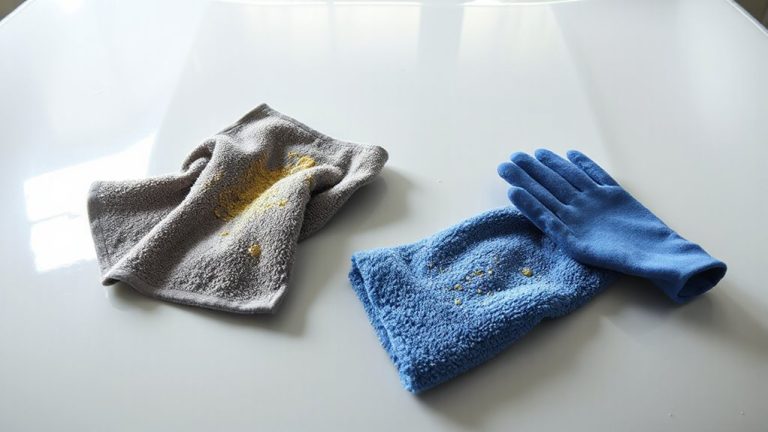
Though proper maintenance isn’t always intuitive, keeping your paint protection film in peak condition doesn’t require specialized expertise-just consistent, correct practices. Clean your PPF every two weeks using a pH-neutral car shampoo; harsh chemicals degrade the adhesive layer over time. Avoid brushes or abrasive cloths-they can scratch the film’s surface. Instead, use a microfiber towel and two-bucket wash method to prevent swirl marks. Maintenance tips include rinsing off contaminants like bird droppings or tree sap within 24 hours to prevent film etching. Cleaning frequency increases in coastal or high-pollution areas-monthly decontamination with isopropyl alcohol (30% solution) preserves clarity. Never wax over PPF unless the product is urethane-film safe. Most films resist UV yellowing for 5–7 years when properly maintained. Proper care maintains optical clarity, self-healing properties, and impact resistance up to 2.5 joules.
On a final note
You protect your car’s finish with paint protection film (PPF) for a reason. PPF measures 6 to 8 mils thick, absorbing impacts from rocks and road debris. Its thermoplastic urethane construction resists scratches and maintains clarity. Many films include self-healing topcoats that close light swirls within 24 hours. Properly installed PPF lasts up to 10 years. It withstands UV exposure and chemical degradation. For maximum defense, choose professional installation and routine care.