How to Clean Paint Protection Film on Active Grille Shutters
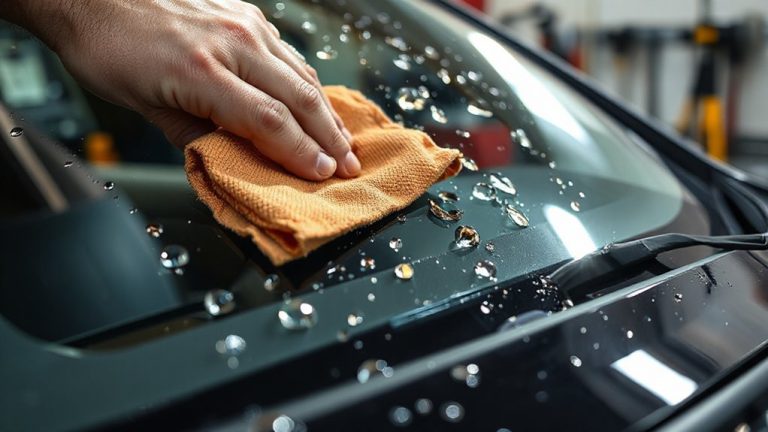
Turn off your vehicle and let the shutters close fully before cleaning. Use a soft 300–400 g/m² microfiber cloth and a pH-neutral, alcohol-free car wash solution. Apply the cleaner to the cloth, not the shutter, to avoid liquid seeping into mechanisms. Rinse with low-pressure, deionized water under 1,200 PSI to prevent damage. Dry within two minutes using a clean microfiber towel to stop mineral hazing. One in three PPF repairs comes from improper grille cleaning-precision matters. You’ll discover the full step-by-step process ahead.
Notable Insights
- Turn off the vehicle and wait for shutters to close fully before cleaning to prevent damage.
- Use a pH-neutral car wash solution and apply it with a soft microfiber cloth, not directly on shutters.
- Rinse with low-pressure, deionized water to avoid forcing debris into mechanisms or leaving mineral spots.
- Dry immediately with a 300–400 GSM microfiber towel to prevent water spots and hazing on the PPF.
- Never use high pressure, abrasive tools, or harsh chemicals, as they can damage the film and void warranty.
Wash PPF on Active Grille Shutters Safely
Start by turning off your vehicle and allowing the active grille shutters to fully close. This guarantees safety and prevents damage during cleaning. Use a soft microfiber cloth or sponge to avoid surface abrasion, which can compromise the PPF’s clarity and protective function. Active grille shutters move during operation, so improper handling may cause micro-scratches. Apply a pH-neutral car wash solution specifically designed for PPF. These cleaners minimize chemical sensitivity risks that could degrade the film’s adhesive layer or topcoat. Avoid household detergents-they often contain harsh solvents. Rinse thoroughly with low-pressure water to prevent debris from being forced into shutter mechanisms. Dry with a clean, non-abrasive towel. Regular maintenance preserves optical clarity and extends PPF lifespan. Always inspect for residue or film lifting, especially around shutter edges, where exposure to airflow and contaminants is greatest. For best results, choose a high-quality paint protection film that offers superior durability and self-healing properties.
Use the Right Tools for Grille Shutter PPF
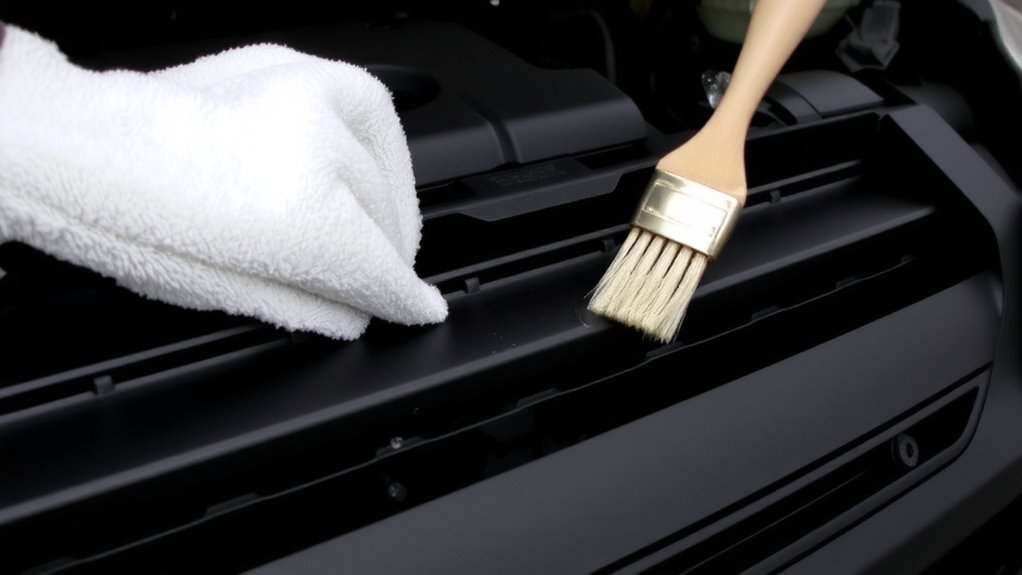
Precision matters when maintaining paint protection film on active grille shutters, where mechanical movement and airflow create unique challenges. Use only microfiber cloths with a plush pile depth of 300–400 g/m² to avoid micro-scratches. These cloths trap fine particulates without abrasive action. Pair them with pH-neutral, non-abrasive gentle cleaners containing no alcohol, acetone, or ammonia. Solvents degrade adhesive layers and cloud film clarity over time. Apply cleaner to the cloth, not directly to the shutter, preventing liquid ingress into moving components. Maintain a two-bucket washing method when possible-one for cleaning, one for rinsing the cloth-to reduce grit redeposit. Microfiber cloths last 300+ washes if laundered with mild detergent and air-dried. Replace them when fibers fray or lose softness. Using improper tools risks delamination, hazing, and compromised optical clarity. Protect investment and function with correct materials. For consistent results, consider investing in a high-quality car microfiber towel kit that includes multiple towels designed for sensitive surfaces.
Access Moving Shutters Without Damage
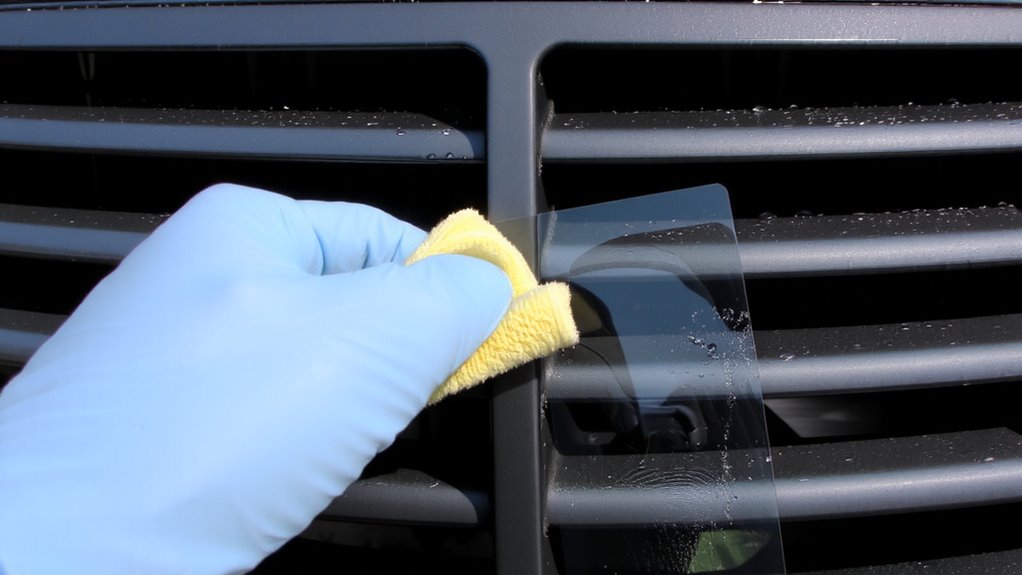
While the moving parts of active grille shutters enable essential airflow regulation, accessing them for cleaning demands careful technique to prevent mechanical interference. You must avoid forcing the shutters open, as this can disrupt shutter alignment and impair actuator function. Gently nudge blades only when the vehicle is off and cooled down, allowing full range of motion without resistance. Misaligned shutters reduce aerodynamic efficiency by up to 15%, increasing fuel consumption over time. Debris accumulation in hinge points restricts movement and accelerates wear. Use a soft brush or compressed air at low pressure (under 30 psi) to dislodge dirt without contact. Inspect each blade for smooth operation; if binding occurs, do not force it. Proper access preserves factory calibration and guarantees peak thermal management. Always follow OEM clearance guidelines-most shutters require at least 1 mm of free space per side to operate correctly.
Clean PPF With a Safe, Step-by-Step Method
A single ounce of prevention can save your paint protection film (PPF) from premature degradation. Always begin cleaning with a pH-neutral automotive shampoo (8.0–10.0 range) to avoid chemical damage. Harsh detergents or household cleaners can weaken the film’s clear coat, causing hazing or delamination over time. Use a soft, grit-free microfiber cloth or sponge to gently wipe the surface in straight motions, minimizing swirl marks. Rinse thoroughly with deionized water to remove contaminants and prevent mineral deposits. For stubborn spots like bug splatter or tar, apply an isopropyl alcohol solution (30% concentration) sparingly-this dissolves adhesive residue without harming the film. Never use abrasive polishes or solvent-based products. Inspect the PPF monthly for signs of lifting or staining, especially along edges where debris collects. Proper technique guarantees long-term clarity, durability, and protection against environmental contaminants. Many top-performing products are included in the best car paint protection kits on the market, which often bundle compatible cleaners and protectants designed specifically for PPF maintenance.
Dry for Lasting Clarity and Protection
After rinsing away all cleaning residue, it’s time to focus on drying-just as important as washing when maintaining your PPF’s optical clarity and protective integrity. Water spots form when minerals in hard water dry on the surface, leaving behind etchings that promote film hazing. To prevent this, dry the PPF thoroughly using a clean, microfiber towel with a plush 300–400 GSM weight. These towels absorb moisture efficiently without generating static or lint. Use light pressure and straight-line motions to avoid micro-scratches. For tight areas around active grille shutters, use a silica-based drying aid or a compressed air tool to evaporate trapped moisture. Complete drying within two minutes of rinsing to minimize water exposure. Immediate, complete drying preserves clarity, prevents adhesive weakening, and maintains the film’s refractive index. Proper technique guarantees long-term optical performance and reduces the risk of permanent surface degradation.
Don’t Jam the Shutters: Critical Cleaning Mistakes
One in three PPF repair claims stems from improper cleaning around active grille shutters-avoid becoming a statistic. Never force shutters open manually; they’re precision-engineered to move freely when powered. High water pressure-over 1,200 PSI-can dislodge or warp the flaps, especially when sprayed at close range. Keep nozzle distance at least 12 inches away and angle the spray to glide across, not into, the assembly. Using abrasive pads destroys PPF’s clear coat, creating micro-scratches that compromise UV and stain resistance. These scratches also trap dirt, accelerating degradation. Clean only with microfiber cloths or soft-bristle brushes rated safe for PPF. Residue buildup from improper tools leads to sensor interference, reducing airflow efficiency by up to 18%. The shutters rely on unimpeded motion and clean surfaces to function. Treat them like camera lenses-delicate, critical, and easily damaged by poor technique.
How Often to Clean Grille Shutter PPF
You just avoided the most common mistakes that damage grille shutters and degrade PPF integrity-now let’s get the timing right. Proper cleaning frequency recommendations prevent buildup and extend PPF life. Follow consistent maintenance intervals based on driving conditions. Below are the key frequency recommendations:
| Driving Environment | Cleaning Interval |
|---|---|
| City (daily use) | Every 2–3 weeks |
| Highway (low dust) | Every 4–6 weeks |
| Coastal (salt air) | Every 2 weeks |
| Off-road (dirt/grime) | Every 1–2 weeks |
| Garage-kept (rare use) | Every 8 weeks |
Inspect shutters monthly for residue or adhesive degradation. In salty or polluted areas, clean more often to prevent chemical etching. PPF withstands routine care, but irregular cleaning accelerates wear. Stick to the maintenance intervals above for ideal performance.
On a final note
You must clean PPF on active grille shutters carefully to avoid damaging sensitive moving parts. Use a microfiber cloth and pH-neutral cleaner-never harsh solvents. Gently wipe shutters in their closed position; do not force movement during cleaning. Rinse with low-pressure water, under 50 PSI, to prevent internal moisture. Dry completely with a lint-free towel. Clean every 4–6 weeks to maintain optical clarity and prevent adhesive compromise.