How to Identify and Fix Brake Pedal Pulsation
You feel brake pedal pulsation when rotors have lateral runout over 0.003″ or thickness variation beyond 0.001″. Use a micrometer to check rotor thickness at multiple points and a dial indicator for runout. Replace rotors if below minimum thickness; resurfacing shortens life and removes protective coatings. Inspect pads for glazing and calipers for sticking. Torque lug nuts to 90 ft-lbs in a star pattern. Proper bedding and high-quality coated rotors improve longevity. Solutions depend on precise measurements and correct component matching-your next steps matter.
Notable Insights
- Inspect brake pads for glazing, indicated by a shiny, hardened surface that reduces braking effectiveness.
- Measure rotor thickness at multiple points; variation over 0.001 inches suggests taper wear requiring resurfacing or replacement.
- Check lateral runout with a dial indicator; exceeding 0.003 inches means rotor truing or replacement is needed.
- Tighten lug nuts evenly in a star pattern to 75–100 ft-lbs to prevent rotor distortion.
- Clean and lubricate caliper guide pins to ensure proper release and prevent brake drag and uneven wear.
Diagnose Brake Pulsation at Home
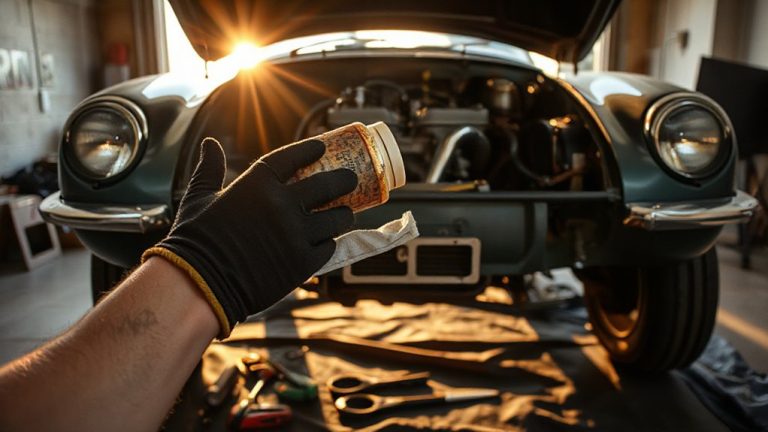
What if the vibration in your brake pedal isn’t a mystery? You can diagnose brake pulsation at home with basic tools and careful observation. Start by inspecting your brake pads for brake pad glazing-a shiny, hardened surface that reduces friction and causes uneven braking. Glazed pads often result from overheating during aggressive stops. Next, check rotor thickness using a micrometer. Measure at multiple points; variation beyond 0.001 inches indicates taper wear. Also, verify lug nut tightness. Uneven torque specs-such as some lugs at 80 ft-lbs and others at 120 ft-lbs-distort rotors over time, triggering pulsation. Always tighten in a star pattern to 90 ft-lbs with a calibrated torque wrench. These steps isolate common causes before costly repairs. Early detection prevents further damage to your braking system. Upgrading to high-performance brake pads and rotors can reduce the likelihood of pulsation and improve overall stopping power.
Warped Rotors: Resurface or Replace?
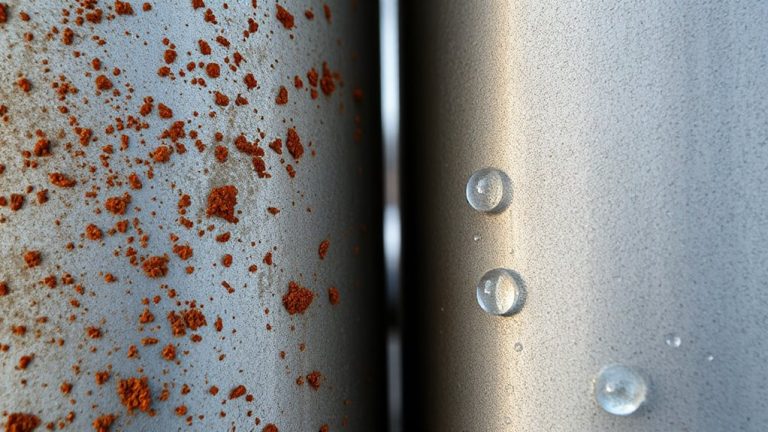
Warped rotors disrupt braking performance through inconsistent contact between pad and rotor. You’ll feel pulsation in the brake pedal during deceleration, often accompanied by reduced stopping power. Minor warping-less than 0.001 inches of lateral runout-may allow rotor resurfacing, restoring a flat friction surface. However, if thickness falls below the manufacturer’s minimum specification, replacement is required. Resurfacing removes material, shortening rotor life and affecting rotor coatings designed to resist corrosion. Reusing old rotors risks brake pad glazing, where excessive heat creates a shiny, less effective pad surface. New rotors come with precision-machined surfaces and protective rotor coatings that enhance durability. Always install new brake pads with new rotors to prevent glazing and guarantee peak contact. Replace instead of resurface when wear is uneven or rust deep. For reliable performance, consider upgrading to high-quality options like Raybestos rotors.
Stop Sticking Calipers and Brake Drag
A sticking caliper can cause persistent brake drag, leading to pulsation, uneven wear, and excessive heat buildup. You’ll often notice reduced fuel efficiency, a pulling sensation during braking, or a burning smell after driving. Inspect caliper alignment to guarantee the unit slides freely on its guide pins. Misaligned calipers bind, preventing even release of brake pads from the rotor. Check brake pad thickness on both sides of each wheel; significant variation indicates a caliper isn’t releasing properly. A functional caliper should maintain pad clearance within 0.002 inches of the rotor when disengaged. Corroded guide pins or damaged rubber boots commonly cause sticking. Clean and lubricate guide pins with high-temperature brake grease during service. Confirm slide mechanism movement is smooth across the full range. Proper caliper alignment guarantees even pad wear and prevents premature rotor damage. Using a brake bleeding kit can help ensure optimal hydraulic pressure release in the brake lines, reducing the risk of residual pressure contributing to caliper stickiness.
Fix Common Causes of Pulsating Brakes
Brake pedal pulsation often stems from uneven rotor thickness or inconsistent friction material transfer, not always from heat-induced warping as commonly believed. You can fix this by diagnosing rotor thickness variation and monitoring brake pad wear. Measure rotor thickness at multiple points using a micrometer; variation over 0.001 inches (0.025 mm) usually causes noticeable pulsation. Resurface or replace rotors as needed. Make certain new brake pads are properly bedded in to prevent uneven deposits. Below are common causes and solutions:
| Cause | Measurement Threshold | Solution |
|---|---|---|
| Rotor thickness variation | >0.001″ (0.025 mm) | Resurface or replace |
| Lateral runout | >0.003″ (0.076 mm) | True or replace rotor |
| Uneven brake pad wear | Visible material transfer | Replace pads, clean rotors |
| Glazed pads | Hard, shiny surface | Replace or bed properly |
| Contaminated rotors | Oil or debris present | Clean with brake solvent |
Prevent Brake Pedal Pulsation Long-Term
While proper diagnosis fixes existing pulsation, long-term prevention demands consistent maintenance and correct installation practices. Always perform proper brake pad bedding after replacement-this friction transfer process guarantees even material deposition on the rotor surface, reducing the chance of uneven wear. You need 10 controlled stops from 50 mph without dragging, followed by cooling cycles. Use rotors with durable rotor coating to resist corrosion, especially in wet climates. Zinc or ceramic-based coatings extend rotor life by preventing surface pitting that leads to thickness variation. Install components with exact torque specifications-typically 75–100 ft-lbs for lug nuts-and use a star pattern. Rotors should measure within 0.0005 inches of lateral runout when mounted. Replace hardware to maintain alignment. With precise bedding and coated rotors, you reduce recurrence risk.
On a final note
You must address brake pedal pulsation promptly to maintain braking efficiency and safety. Pulsation typically stems from rotor thickness variation exceeding 0.001 inches or lateral runout beyond 0.003 inches. Measure with a micrometer and dial indicator for accuracy. Resurface rotors if within minimum thickness specs; otherwise, replace them. Guarantee calipers slide freely and bolts are lubricated. Proper torque, 70–100 ft-lbs on most passenger vehicles, prevents distortion. Regular inspections prevent recurrence.