How to Use Fitment Calculators to Visualize Wheel and Tire Combinations
You need a fitment calculator to visualize how wheel and tire combos fit your vehicle. Enter your bolt pattern, like 5×114.3, and correct offset in millimeters. Input wheel width, tire size, and suspension specs for real-time 3D rendering. The tool shows clearance, fender alignment, and stance-flush or aggressive. It checks for rubbing during steering or suspension travel. See brake clearance and tire bulge effects before buying. Explore how changes impact fit and performance.
Notable Insights
- Enter your vehicle’s make, model, year, and trim to ensure accurate factory specifications for bolt pattern and offset.
- Input wheel width, offset, and tire size to generate a real-time 3D visualization of the fitment on your vehicle.
- Use the interactive preview to rotate, zoom, and inspect clearance from all angles before purchasing.
- Adjust offset and tire width to prevent rubbing by simulating steering lock and suspension travel.
- Compare flush fit or aggressive stance aesthetics by visualizing changes in backspacing and tire bulge digitally.
Why You Need a Fitment Calculator for Wheels
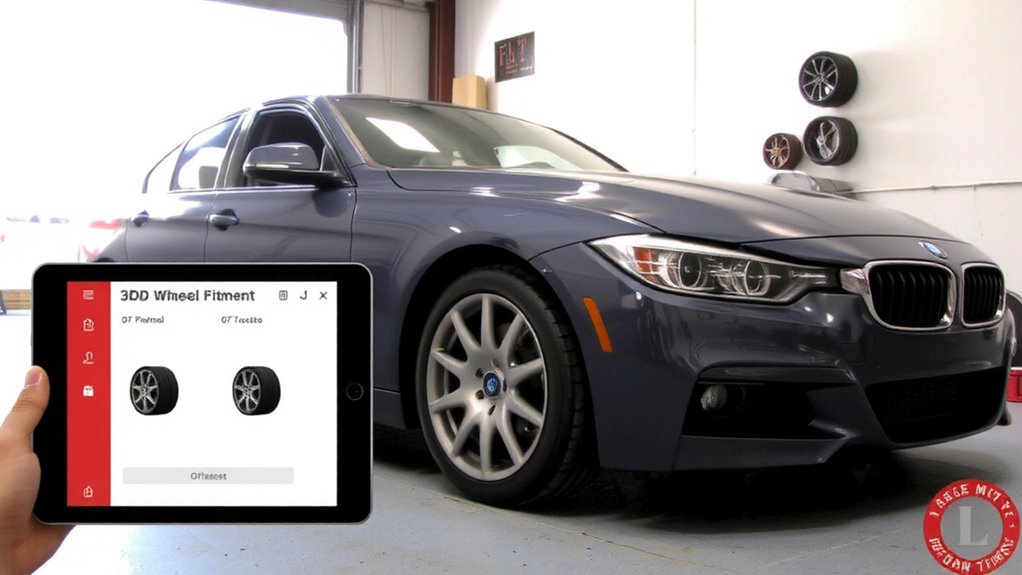
Choosing the right wheels isn’t just about looks-it’s about compatibility. You need a fitment calculator to guarantee your wheels match your vehicle’s specifications. Without it, you risk improper wheel dynamics, which affect handling, stability, and safety. A calculator verifies bolt pattern, offset, and diameter-critical for alignment and clearance. It also checks load ratings, guaranteeing wheels support your vehicle’s weight. Exceeding or underestimating load ratings can lead to premature wear or failure. Fitment tools prevent rubbing, clearance issues, and speedometer inaccuracies. Wheel dynamics rely on precise fit-incorrect offset alters steering response and tire wear. The calculator cross-references factory specs with aftermarket options. It accounts for suspension travel and brake clearance. You avoid costly mistakes. Think of it like a blueprint-it confirms every measurement before purchase. Accuracy matters. Use it-it’s essential for performance, safety, and longevity.
How to Enter Your Vehicle’s Fitment Specs Correctly
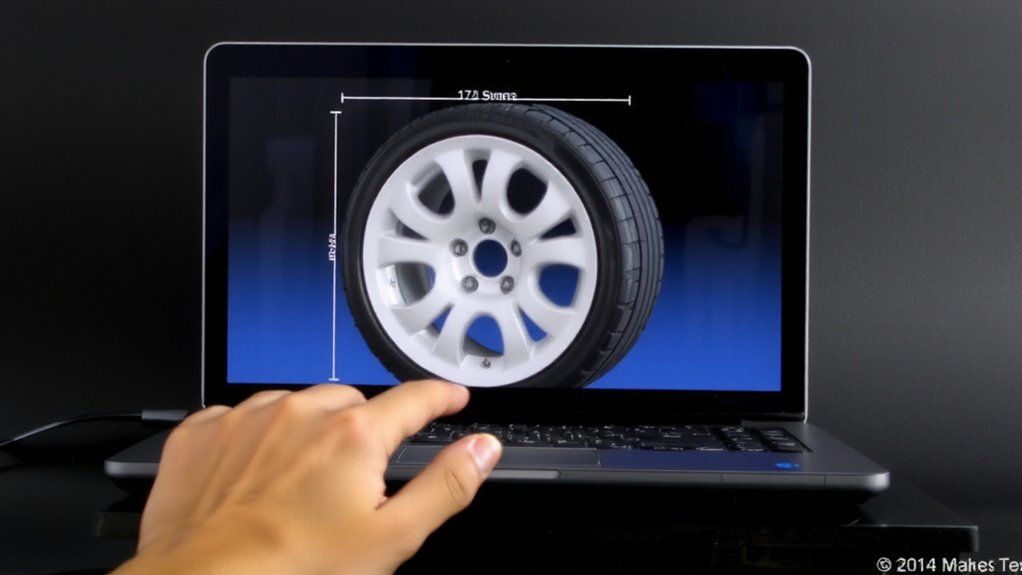
You’ve seen how a fitment calculator protects your vehicle’s performance and safety by matching wheels to your exact specifications. Now, enter your specs accurately to get reliable results. Start with your bolt pattern, which is the number of lug holes and the diameter of the circle they form. For example, a 5×114.3 pattern means five lugs spaced over a 114.3mm circle. Getting this wrong means the wheel won’t mount. Next, input wheel offset, the distance from the wheel’s mounting surface to its centerline, measured in millimeters. Too much or too little offset causes clearance issues or uneven handling. Positive offset pushes the wheel inward; negative pulls it outward. Always verify offset against factory specs. Combine correct bolt pattern and offset, and guarantee measurements match your make, model, year, and trim. These details keep your build safe, functional, and aligned.
Preview Tire and Wheel Fit in Real Time
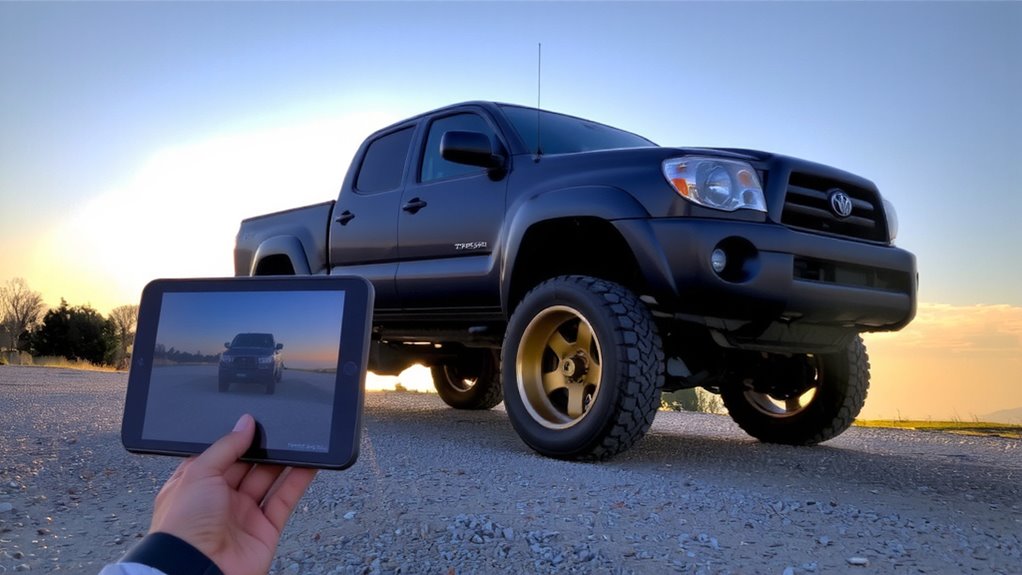
What if you could see how that new wheel and tire combo will look before making a single purchase? With real time rendering, you can. Modern fitment calculators generate an interactive preview of your exact wheel and tire setup on a 3D model of your vehicle. Input your wheel width, offset, tire size, and suspension specs-the system renders changes instantly. Real time rendering updates the visual with each adjustment, so you see exactly how a 20×9.5 wheel with 275/40R20 tires sits under your fenders. The interactive preview lets you rotate the view, zoom in, and inspect stance and proportions from every angle. No guesswork. You’re not just estimating; you’re evaluating actual clearances, sidewall bulge, and fender alignment. It’s like a digital mockup that matches real-world physics. This level of precision guarantees the fitment aligns with both your aesthetic and mechanical requirements-before any parts are ordered.
Avoid Rubbing and Clearance Errors Early
While upgrading wheels and tires can transform your vehicle’s appearance and performance, getting the fitment wrong often leads to rubbing and clearance issues that damage components and compromise safety. You must prioritize tire width clearance to prevent contact with suspension parts, fenders, or inner liners during articulation. Fitment calculators let you input exact measurements-like section width, aspect ratio, and rim diameter-to predict potential interference. Wheel offset adjustments directly affect this clearance; too low an offset pushes tires outward, risking fender rub, while too high causes inner suspension contact. A difference of just 5mm in offset can create clearance problems. Modern calculators simulate steering lock, suspension travel, and ride height changes for accuracy. Using these tools guarantees your selected setup maintains adequate space under load. Proper virtual validation saves time, prevents part damage, and guarantees reliable performance on road or track.
Get That Flush, Aggressive, or OEM Fit Look
Achieving the right aesthetic with your wheel and tire setup starts with understanding how fitment determines the visual relationship between the wheel, tire, and fender. A flush fit aligns the wheel’s outer edge with the fender, creating a balanced, OEM+ look. Use a fitment calculator to adjust width and offset-try +35 to +45 mm for stock fender alignment. For an aggressive stance, wider wheels with lower offsets (0 to +20 mm) push the tire past the fender line slightly. Account for tire bulge; a 275 mm wide tire on a 10-inch wheel typically adds 15 mm of outer sidewall. Fitment tools help visualize clearance for brake upgrades. Large calipers need proper spoke clearance-measure backspacing precisely. Custom finishes, like machined faces or multi-tone alloys, enhance visibility when the wheel sits flush. Always simulate changes digitally before buying. Proper fitment guarantees aesthetics never compromise function.
On a final note
You get precise control over your vehicle’s stance using a fitment calculator. Enter exact specs-wheel diameter, width, offset, and bolt pattern-to match OEM tolerances. The tool visualizes tire sidewall height and overall diameter clearance. Real-time previews show fender flushness or aggressive poke. Avoid inner suspension rub or outer fender protrusion. Accurate data prevents costly mistakes. Think of it as a digital mockup before buying.