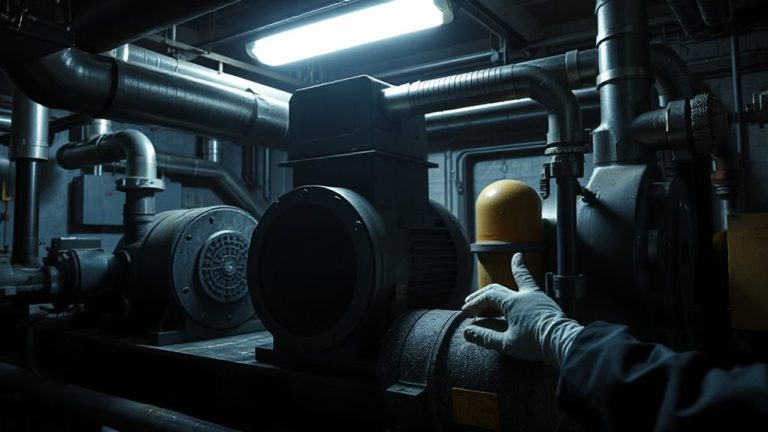
How to Use Soundproof Hood Liners to Minimize Engine Noise Interference
You cut engine noise by installing soundproof hood liners that block vibrations and absorb acoustics. Use 3–5mm butyl rubber or composite foam liners to reduce noise up to 8 decibels. The unlined hood acts like a drum, so apply high-density material with 1.5 kg/m² surface weight for effective damping. Install with thermal-resistant adhesive or clips, seal edges with 500°F-rated butyl tape, and maintain 3mm clearance from moving parts. Proper application also improves heat and debris protection.
Notable Insights
- Install soundproof hood liners with 3–5mm thick mass-loaded materials like butyl rubber to block up to 8 dB of engine noise.
- Use dual-layer composite liners with aluminum facing to reflect radiant heat and reduce underhood temperatures by up to 30%.
- Prepare the hood surface by removing contaminants and treating rust to ensure strong adhesion and optimal liner performance.
- Align the liner from the center outward, securing it with heat-resistant adhesive or clips rated to 300°F.
- Seal all edges with high-temperature silicone or butyl tape to prevent noise leakage and maintain acoustic and thermal efficiency.
Why Engine Noise Matters: And How Hood Liners Help
Why does engine noise seem louder the moment you hit the highway? Because speed increases engine vibration and amplifies sound transmission into the cabin. Your vehicle’s hood acts like a drum, resonating with every rev. Without proper sound absorption, low-frequency noise dominates, causing driver fatigue. A soundproof hood liner reduces this by adding mass and damping layers that disrupt vibration transfer. These liners typically consist of butyl rubber or closed-cell foam-materials with high sound absorption coefficients. At minimum, they should be 3–5mm thick to effectively block mid to high frequencies. Installed between the hood and engine, they lower noise levels by up to 8 decibels. This reduction isn’t just comfort-it sharpens concentration. The liner’s constrained layer damping structure converts vibrational energy into negligible heat. You get measurable performance in noise control without modifying the engine.
Choose the Right Soundproof Hood Liner Material
Mass matters when it comes to blocking engine noise, and the right soundproof hood liner material makes all the difference. You need a liner with high density to reflect sound energy effectively. Materials like butyl rubber-loaded vinyl offer superior sound transmission loss, typically blocking 20–30 dB across mid to high frequencies. Acoustic absorption improves when you pair mass layers with open-cell foam or fiberglass, which trap and dissipate sound waves. Thermal insulation is equally critical-materials such as composite aluminum foil with closed-cell foam reflect heat and withstand temperatures up to 250°F. This dual-layer design reduces underhood heat by 30–50%, protecting hood paint and interior components. Look for liners with a minimum thickness of 5mm and a surface weight of at least 1.5 kg/m² for balanced performance. Always verify material specifications for both acoustic absorption and thermal insulation to guarantee long-term effectiveness.
Prep Your Hood: Tools and Cleaning Steps
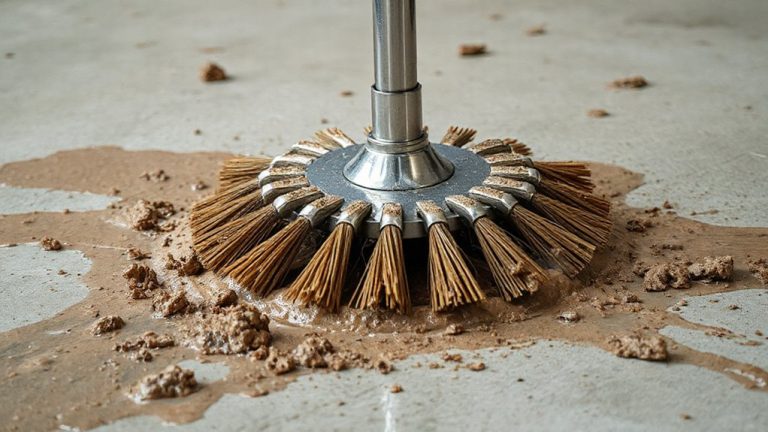
Now that you’ve selected a high-performance soundproof hood liner with adequate mass and thermal resistance, it’s time to prepare the hood surface for proper installation. Begin with a thorough surface inspection to identify contaminants, debris, or corrosion. Use a flashlight and gloves to examine seams, edges, and undercoating areas. Even minor rust spots compromise adhesion and longevity. For rust removal, apply a phosphoric acid-based converter with a brush, let it dwell for 10–15 minutes, then wipe clean. Sand affected zones with 80–120 grit paper until smooth. Wipe the entire surface with isopropyl alcohol (70% or higher) to eliminate oils and residue. Allow 10 minutes to dry. A clean, dry, and rust-free substrate guarantees maximum bonding. Use microfiber cloths and avoid touching the surface post-clean. Proper prep prevents delamination and maintains thermal performance.
Install a Soundproof Hood Liner in Under an Hour
Once the hood surface is clean and fully prepped, you can begin the actual installation of the soundproof hood liner without delay. Align the liner carefully to guarantee proper hood alignment and avoid interference with latches or hinges. Most liners attach with adhesive backing or thermal-resistant clips rated to 300°F. Press firmly along all edges to secure bonding. Avoid stretching the material, which could distort fit and risk paint finish contact during operation. Install in a shaded, dry area to prevent premature adhesive activation.
| Step | Action | Time Needed |
|---|---|---|
| 1 | Position liner center-first | 10 min |
| 2 | Press edges and corners | 15 min |
| 3 | Test hood closure and alignment | 5 min |
Total installation typically takes under an hour. Confirm the liner doesn’t shift when the hood closes. Maintain a 3mm clearance from moving parts.
Seal Edges to Prevent Heat Damage
While heat buildup under the hood can degrade materials over time, sealing the edges of your soundproof hood liner guarantees long-term performance and protection. Proper edge sealing prevents hot air from infiltrating gaps where thermal insulation is weakest. Without a tight seal, temperatures exceeding 300°F can compromise adhesive bonds and substrate integrity. Use a high-temperature silicone or butyl tape rated up to 500°F along all exposed edges. These materials resist cracking and maintain flexibility under thermal cycling. Edge sealing also enhances the liner’s acoustic performance by blocking noise leakage paths. Most premium hood liners combine aluminum foil facing with fiberglass backing, offering reflectivity and absorption. The foil reflects radiant heat, preserving underhood component function. A sealed edge maintains this thermal insulation system operates efficiently. Always inspect fitment after installation-any gap wider than 1/8 inch reduces effectiveness. Effective edge sealing extends service life and sustains both thermal and acoustic protection.
Avoid These Common Hood Liner Mistakes
Proper edge sealing sets the foundation for long-term hood liner performance, but skipping other key steps can still lead to failure. Improper alignment reduces coverage and creates noise leaks. Make sure the liner fits precisely within 3–5 mm of all hood edges to maintain acoustic integrity. Misalignment also risks contact with moving engine parts, causing damage. You must clean the hood surface thoroughly before installation-any oil or debris causes adhesive failure. Use isopropyl alcohol and allow it to dry completely. Apply consistent pressure across the entire liner for at least 30 seconds so the butyl adhesive bonds properly. Avoid peeling or repositioning once contact is made. Liners with multi-layer composite construction need full adhesion to function. Adhesive failure compromises both sound damping and thermal protection. Follow manufacturer torque specs if using fasteners. Double-check fitment before final installation.
More Than Quiet: Heat and Debris Protection Benefits
Though sound reduction is a primary reason you install a hood liner, don’t overlook its critical role in managing engine heat and blocking debris. Hood liners provide essential thermal insulation, reducing under-hood temperatures by up to 30%. This protects hood paint from bubbling and extends the life of nearby components like wiring and hoses. Most liners use closed-cell foam or butyl rubber composites with heat resistance up to 250°F. They also deliver effective particle shielding, blocking road debris, gravel, and moisture from impacting the hood’s underside. Constructed with durable, multi-layer materials-often 6–8mm thick-these liners withstand vibration and thermal cycling. The aluminum-facing side reflects radiant engine heat, improving thermal efficiency. Installed correctly, they reduce heat soak in performance engines. Thermal insulation and particle shielding work together, preserving both engine bay integrity and vehicle longevity.
On a final note
You’ve reduced engine noise effectively using soundproof hood liners. These liners typically feature 3–5 mm acoustic foam bonded to a heat-reflective aluminum layer. They dampen frequencies between 500–2000 Hz, cutting noise by up to 8 dB. Proper adhesion with heat-resistant butyl tape guarantees longevity. Sealed edges prevent hot air ingress, protecting underlying materials. Beyond sound control, the liner shields against radiant heat (up to 300°F) and road debris, enhancing engine bay durability and performance stability.