How to Wash a Vehicle After Marine Exposure Without Corroding Coatings
Rinse your vehicle immediately after marine exposure to remove 70–80% of salt before it crystallizes and corrodes surfaces. Use low-pressure, ambient-temperature water for at least five minutes on all exposed areas. Wash with a pH-neutral soap like Chemical Guys Mr. Pink to preserve ceramic coatings and wax layers. Avoid high-pressure washers above 2,000 PSI near seams. Dry completely within 30 minutes using a 3 mm microfiber towel. Hidden corrosion risks mean you’ll want to keep checking key points afterward.
Notable Insights
- Rinse immediately after marine exposure to remove salt before it bonds to surfaces and degrades coatings.
- Use pH-neutral soap (6.5–7.5) to safely clean without stripping wax or damaging ceramic coatings.
- Wash with the two-bucket method and microfiber tools to prevent scratches and contamination buildup.
- Dry completely within 30 minutes using a 3 mm pile microfiber towel to prevent water spots and corrosion.
- Reapply sealant or wax regularly to maintain a sacrificial barrier against salt and environmental damage.
Rinse Immediately After Saltwater Exposure
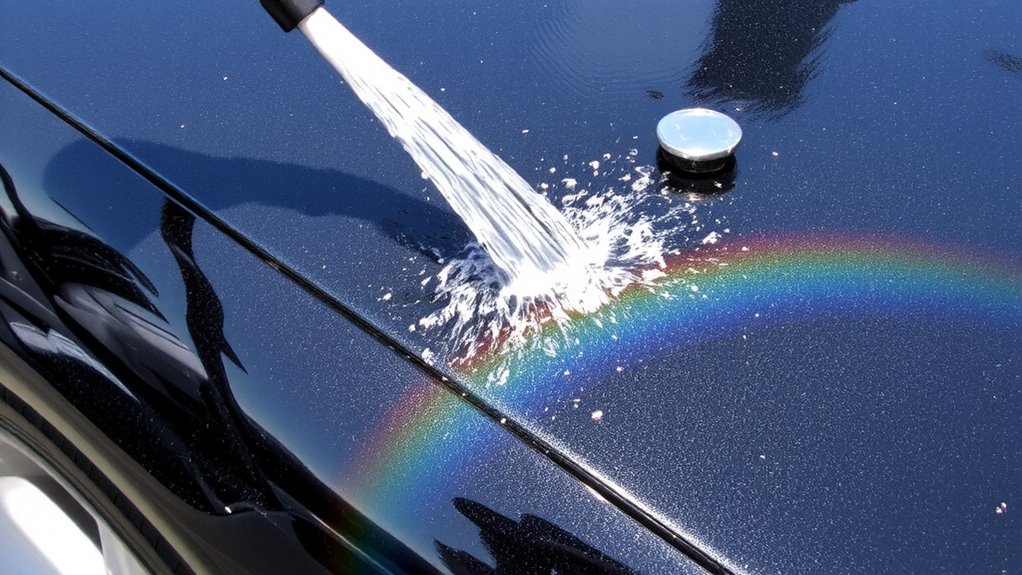
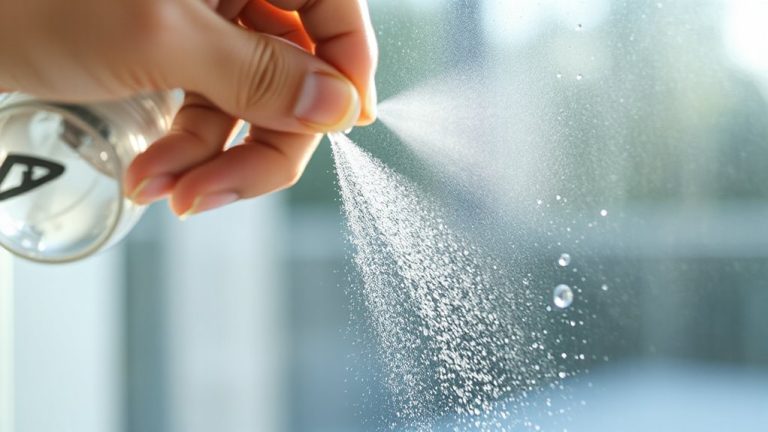
After you leave the water, it’s critical to rinse your vehicle right away-salt residue begins corroding metal and degrading surfaces within hours. Salt residue crystallizes as water evaporates, creating hygroscopic deposits that accelerate oxidation. Immediate rinsing removes 70–80% of contaminants before they bond to surfaces. Use low-pressure, ambient-temperature water to avoid driving salt deeper into seams or damaging trim. Spray all exposed surfaces: wheel wells, undercarriage, door sills, and cooling intakes. Rinse for at least five minutes, ensuring complete coverage. Freshwater dilution dissolves sodium chloride effectively at a 10:1 ratio. Failure to rinse promptly allows salt residue to etch clear coats and promote rust in seams. Water spots form within 30 minutes in direct sun, signaling early mineral deposition. These spots aren’t just cosmetic-they mark areas where microscopic corrosion begins. Immediate rinsing prevents both water spots and subsurface damage. A dedicated car pressure washer kit can enhance rinsing efficiency by delivering consistent water flow and coverage without risking paint damage.
Use a pH-Neutral Soap to Protect Your Coating
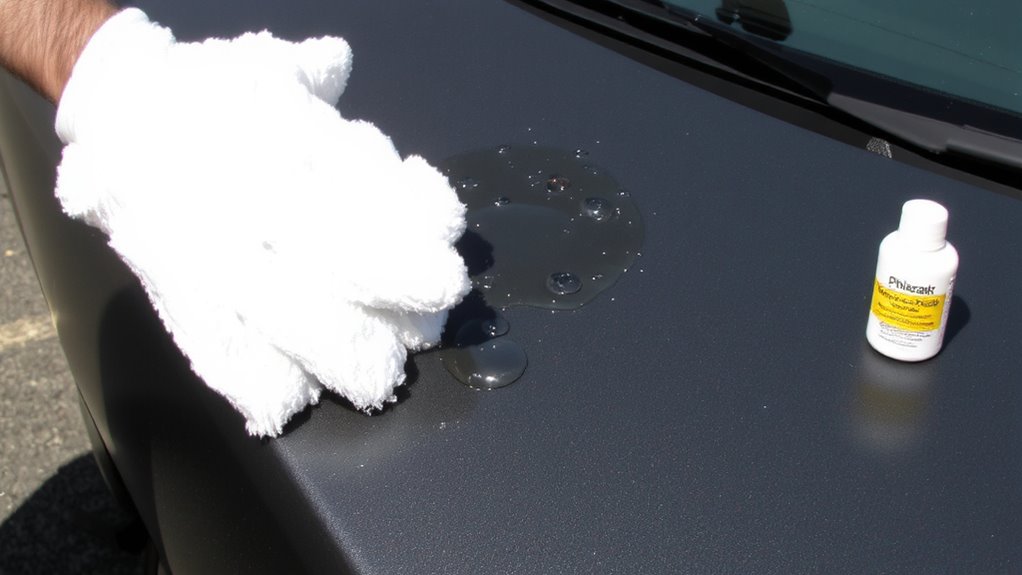
Every wash matters when preserving your vehicle’s finish after marine exposure, and using a pH-neutral soap isn’t just recommended-it’s essential. A pH-neutral soap maintains the vehicle’s pH balance, typically between 6.5 and 7.5, preventing chemical degradation of protective coatings. Alkaline or acidic soaps disrupt this balance, accelerating oxidation and weakening coating integrity. These harsh formulas strip wax and ceramic layers, leaving paint vulnerable to salt intrusion. pH-neutral soaps are specifically engineered to dissolve salt and grime without attacking clear coats. They preserve hydrophobic properties and surface resilience. Use a soap labeled “pH-balanced for automotive coatings” with surfactants that lift contaminants gently. Most professional-grade options, like Chemical Guys Mr. Pink or Sonax PerfectClean, specify pH 7.0 on their MSDS. Apply with a microfiber wash mitt and agitate lightly. Rinse thoroughly post-wash to remove any residue. Consistent use guarantees long-term coating integrity and prevents premature failure. For optimal results, choose one of the best car wash soaps proven to maintain coating safety and cleaning efficiency.
Skip High-Pressure Washers Near Seams and Panels
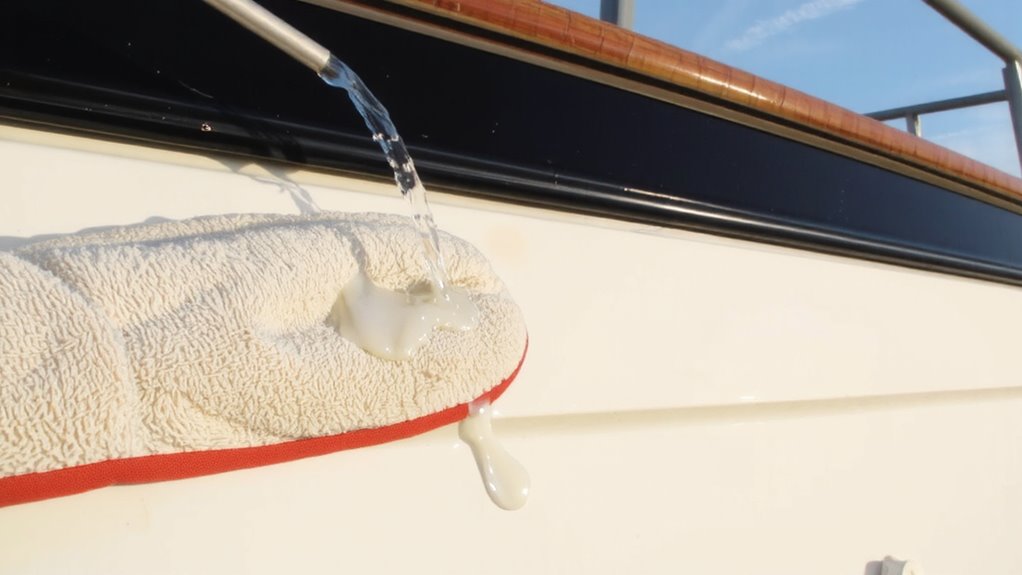
You risk compromising your vehicle’s structural integrity if you direct high-pressure water at seams and body panels during cleanup. High water pressure, especially above 2,000 PSI, can force moisture beneath protective seals and damage rubber gaskets. Modern vehicles use bonded joints and welded seams that rely on sealants to prevent intrusion. Excessive pressure can degrade these materials over time, leading to hidden corrosion. Focus spray application away from panel seams, particularly along doors, hoods, and trunks where gaps are narrow. Use soft-bristle brushes and low-pressure rinsing (under 1,200 PSI) near these zones. Maintain a spray distance of at least 12 inches to control impact. Water pressure at close range acts like a knife, prying open micro-gaps. Preserving seam integrity protects against long-term saltwater infiltration. Always prioritize precision over power when working near vulnerable junctions. Safe washing extends coating life and structural durability.
Dry Completely to Prevent Corrosion
Though salt residue may seem harmless once the surface appears dry, leaving any moisture behind accelerates galvanic corrosion on metal components. You must dry completely to prevent corrosion. Air drying alone is insufficient; it allows humidity to linger in recesses, promoting moisture trapping in seams, under trim, and near fasteners. Use a clean, absorbent microfiber towel with a pile depth of at least 3 mm to wick away water efficiently. For hard-to-reach areas, apply a blower or low-heat air nozzle set below 120°F to avoid damaging coatings. Focus on drain points, mirror backs, and wheel wells-high-risk zones for trapped water. Complete drying within 30 minutes post-wash minimizes electrochemical reactions. Avoid cotton towels; they leave lint and scratch. Proper drying isn’t optional-it’s a critical anticorrosion step. Consider investing in a high-quality car microfiber towel kit to ensure you have the right tools for thorough, safe drying.
Check for Rust in Hidden Spots Right Away
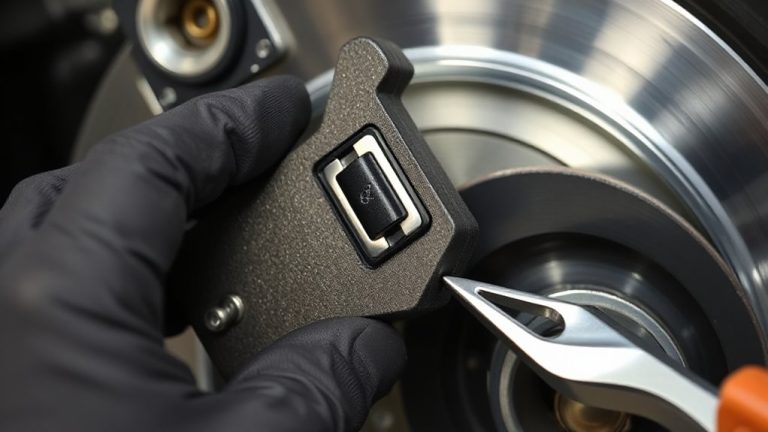
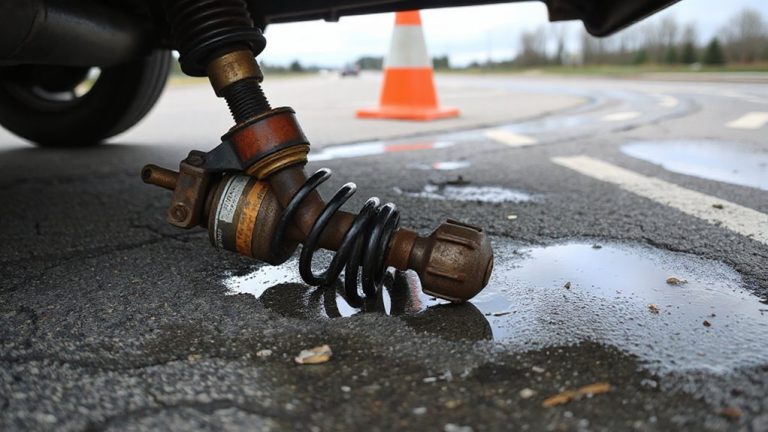
After drying the vehicle, inspect for rust in hidden areas immediately-delaying increases the risk of structural damage. Prompt rust inspection is essential for effective corrosion prevention. Salt residue accelerates oxidation, especially in moisture-trapped zones. Use a flashlight and mirror to examine seams, undercarriage joints, and wheel wells.
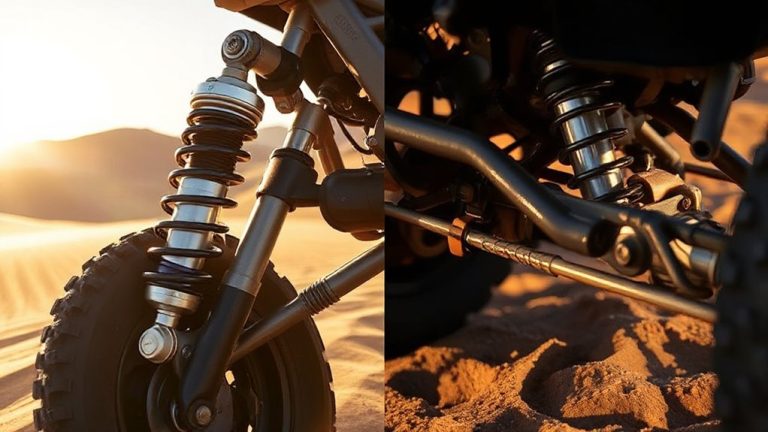
| Common Rust Sites | Inspection Tip |
|---|---|
| Frame rails | Check for bubbling paint or pitting near welds |
| Suspension mounts | Look for reddish deposits or flaking metal |
| Door edges | Inspect rubber seals for moisture buildup |
Focus on steel components with low galvanization. Surface rust under 0.5 mm depth may be treatable; deeper corrosion requires professional repair. Early detection supports long-term durability. A thorough rust inspection after each marine use secures your vehicle remains resistant to salt-induced degradation and maintains structural integrity.
Reapply Wax or Sealant After Washing
Protection begins where cleaning ends-reapplying wax or sealant immediately after washing restores the sacrificial barrier that defends against salt, UV radiation, and environmental contaminants. Wax application replenishes hydrophobic properties, typically providing 3–6 months of protection depending on formulation and conditions. Sealant reapplication, using synthetic polymers like SiO₂ or SiC, offers longer durability-often 6–12 months-with superior resistance to saltwater exposure. Apply wax or sealant in thin, even layers using a foam applicator pad; thick coats prolong curing and risk hazing. Ideal ambient temperatures for application range from 60°F to 80°F (15°C–27°C), ensuring even spread and bonding. Surface must be cool, clean, and dry to maximize adhesion. Most sealants require 12–24 hours to fully cure before environmental exposure. Proper wax application or sealant reapplication maintains coating integrity, enhancing reflectivity and minimizing surface etching in harsh marine environments.
Choose the Right Products for Marine Environments
Marine environments demand specialized care-your vehicle’s finish faces relentless exposure to salt, UV radiation, and humidity, so choosing the right products isn’t optional, it’s essential. Use marine grade cleaners formulated with non-ionic surfactants and chelating agents to dissolve salt crystals without stripping waxes. These cleaners typically maintain a neutral pH of 6.5–7.5, preventing etching on clear coats. Always follow with a rinse using deionized water to eliminate mineral spotting. Corrosion inhibitors are critical; apply post-wash treatments containing benzotriazole or phosphate esters, which form protective molecular layers on metal surfaces. These inhibitors reduce galvanic corrosion by up to 85% in saline conditions, per ASTM B117 testing. Select products labeled for marine use-they’re tested under 1,000+ hours of salt fog exposure. Avoid household detergents; their high alkalinity accelerates coating degradation. Proper product selection guarantees long-term protection and preserves finish integrity.
On a final note
Rinse your vehicle with fresh water immediately after saltwater exposure to prevent chloride buildup. Use a pH-neutral soap (pH 6.5–7.5) to avoid degrading ceramic or wax coatings. Avoid pressures above 2,000 psi near seams to prevent water intrusion. Dry thoroughly with a microfiber towel to eliminate osmotic corrosion risks. Inspect wheel wells and undercarriage for early rust signs. Reapply a silica-based sealant every three months for sustained protection in marine environments.