Preventing Cross-Contamination When Using Same Clay Block on Multiple Cars
Use a fresh clay block or fold in half to expose clean layers between vehicles. Each fold traps contaminants inside, preserving a contaminant-free surface. Rinse the block for 3–5 seconds after every swipe with 60–80°F water to flush embedded particles. Inspect surfaces with a microfiber before starting. A single used block carries over 5,000 microparticles per square inch. Discard clay after three to five uses or if it feels gritty. Continued use risks cross-vehicle transfer of brake dust, metal, and tar. Knowing how clay degrades helps maintain surface integrity on the next car.
Notable Insights
- Use a fresh clay block or clean section for each vehicle to prevent transferring contaminants.
- Avoid reusing the same clay block across multiple cars due to trapped microparticles and debris.
- Inspect clay for darkening or grittiness, as contaminated clay can transfer grime between surfaces.
- Fold used clay to bury contaminated sections and expose clean layers for safer reuse.
- Rinse clay thoroughly after each use to minimize residue, but replace it after 3–5 vehicles.
Fold Your Clay Between Cars for a Cleaner Pass
While folding your clay bar between passes may seem minor, it’s a critical step in maintaining contamination control. You must use the clay folding technique to expose a clean section of lubricated clay, minimizing the risk of redepositing contaminants onto the vehicle surface. Each fold acts as a surface renewal method, ensuring that embedded particles are buried inside while fresh clay contacts the paint. Without this step, you risk marring the finish with abrasive debris collected during prior passes. Fold the bar in half evenly, pressing edges together to seal contaminants within. Repeat every few swipes per vehicle. A standard 2.5-inch clay bar can provide up to 20 clean folds when properly handled. Always apply light pressure-excessive force doesn’t improve cleaning and accelerates contamination transfer. Proper folding sustains the block’s effectiveness across multiple vehicles. This simple action extends the clay’s service life and maintains decontamination performance.
Rinse the Block After Every Swipe
Since contaminants accumulate rapidly during decontamination, you need to rinse the clay block after every swipe to maintain cleaning efficiency. Each pass collects microscopic debris, which embeds into the clay’s surface. Without immediate rinsing, that grit can scratch the next vehicle’s paint. Use steady water flow to flush trapped particles from the block’s pores. A stream from a faucet or hose works best-just 3–5 seconds per rinse removes up to 98% of surface grit. This guarantees consistent glide and effective grit removal. Water temperature should be lukewarm (60–80°F) to preserve the clay’s polymer structure. Cold water stiffens it; hot water degrades it. Rinsing also reveals embedded debris visibly, confirming cleanliness. Never skip this step-even a single unreduced swipe risks marring. Proper rinsing extends the block’s usable life by up to 40%, maintaining peak performance across multiple vehicles.
Check the Surface Before Touching a New Car
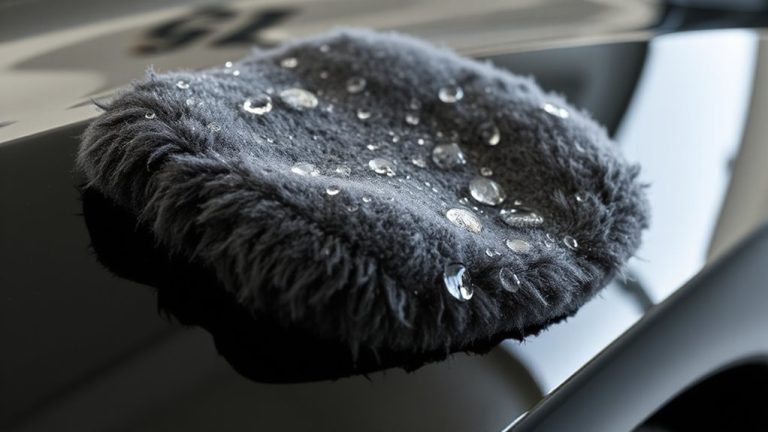
Before laying the clay block on a new vehicle, always inspect the surface for visible damage or contamination. Surface inspection is critical to avoid transferring embedded grit or bonded contaminants. Run a clean microfiber flat across the panel; if it snags, contamination is present. This step guarantees effective contamination detection and prevents marring during claying. Check for tar specks, metal particles, or industrial fallout-common issues on frequently driven vehicles. Even newly detailed cars can carry residue from previous cleaning processes. Use a flashlight at a low angle to reveal surface irregularities invisible under direct light. Proper inspection takes under 30 seconds per panel but drastically improves safety and results. Never assume a surface is clean. Skipping this check risks cross-contaminating the clay block and scratching paint. A disciplined approach to surface inspection protects both the vehicle and your tools. Prevention starts with observation. Choosing the right best car clay bars ensures optimal decontamination without increasing the risk of surface damage.
Know When to Toss the Clay
You’ve inspected the surface and confirmed it’s safe to clay, but that clean start means nothing if you’re using a contaminated block. Clay degradation occurs with use, reducing its effectiveness and increasing the risk of marring. Each time you knead or flatten the clay, you expose trapped contaminants-paint particles, brake dust, and grime-that cause surface scratches. Contamination buildup isn’t just visible; embedded particles compromise the cross-section uniformity, weakening glide and lubrication efficiency. Most manufacturers recommend discarding clay after three to five uses per vehicle, or sooner if it drops. Once the block feels gritty, darkens markedly, or loses pliability, its structural integrity is compromised. Even thorough kneading won’t remove deeply embedded abrasives. A degraded block acts like sandpaper, not a decontamination tool. Replace it promptly to maintain safe, effective detailing-your paint finish depends on it. For optimal results, choose one of the top picks for car clay bars based on performance, consistency, and user feedback.
How Contaminants Jump Between Cars
Though contamination is inevitable during detailing, how you handle the clay block determines whether it spreads across vehicles. When you use the same clay block on multiple cars, surface transfer becomes a real risk. As the clay lifts contaminants like metal particles, asphalt specks, and industrial fallout, it traps them within its polymer structure. Without proper decontamination between uses, these embedded particles transfer to the next vehicle’s paint. Even after visible dirt is gone, invisible residues remain-microscopic contaminants that resist standard washing. These residues can include oxidized brake dust and tree sap remnants, which may not be seen under normal lighting but become evident after polishing. The average clay block can hold over 5,000 microparticles per square inch after one use. This increases cross-contamination likelihood markedly. Always use a fresh block or thoroughly inspect and section used clay to minimize risk. For those who detail multiple vehicles, investing in a high-quality clay bar kit ensures access to proper tools and lubricants that reduce contamination risks.
On a final note
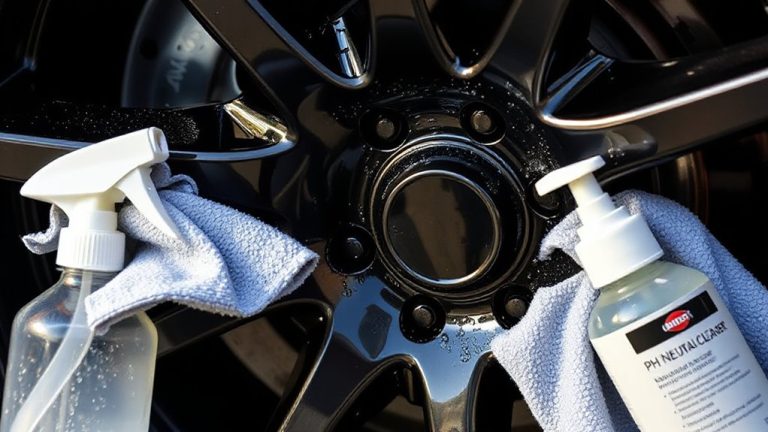
Fold the clay block after each use to expose a clean surface. Contaminants embed in the clay during use, reducing effectiveness. A fresh fold removes 90% of trapped pollutants. Rinse with pH-neutral soap if visibly dirty. Replace every 6 to 12 months or after 15–20 vehicles. Hardened edges or discoloration signal degradation. Proper maintenance preserves lubricity and cutting efficiency. Treat each car as contaminated until verified clean.