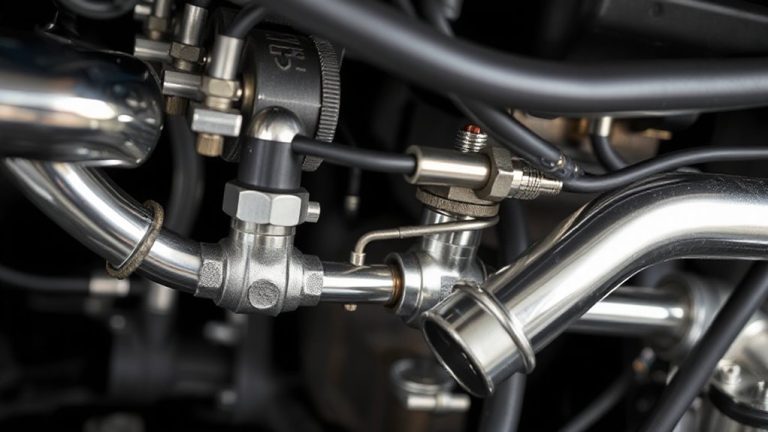
Protecting Fuel Lines From Gnawing Animals With Flexible Metal Shield Wraps
You can protect your fuel lines from gnawing rodents with flexible metal shield wraps. These sleeves use 304 stainless steel interlocking coils to block teeth penetration. They resist temperatures from -60°F to 1200°F and fit lines from ¼” to 1.5” diameter. The corrosion-resistant mesh won’t trap moisture or restrict fuel flow. Installation takes under 10 minutes per section-just snap it on by hand. It overlaps by one inch to seal gaps. This tough barrier stops repeat repairs. You’ll also avoid costly leaks and downtime-discover how to pick and place the best wrap for your vehicle.
Notable Insights
- Rodents chew fuel lines to manage tooth growth, risking leaks and costly damage.
- Flexible metal shield wraps use 304 stainless steel coils to block rodent gnawing.
- Shields resist corrosion, fuel, moisture, and temperatures from -60°F to 1200°F.
- Choose wrap size within ±0.03” of fuel line outer diameter for secure fit.
- Install in minutes by sliding and snapping wraps on, no tools needed.
Stop Rodents From Chewing Fuel Lines With Metal Shield Wraps
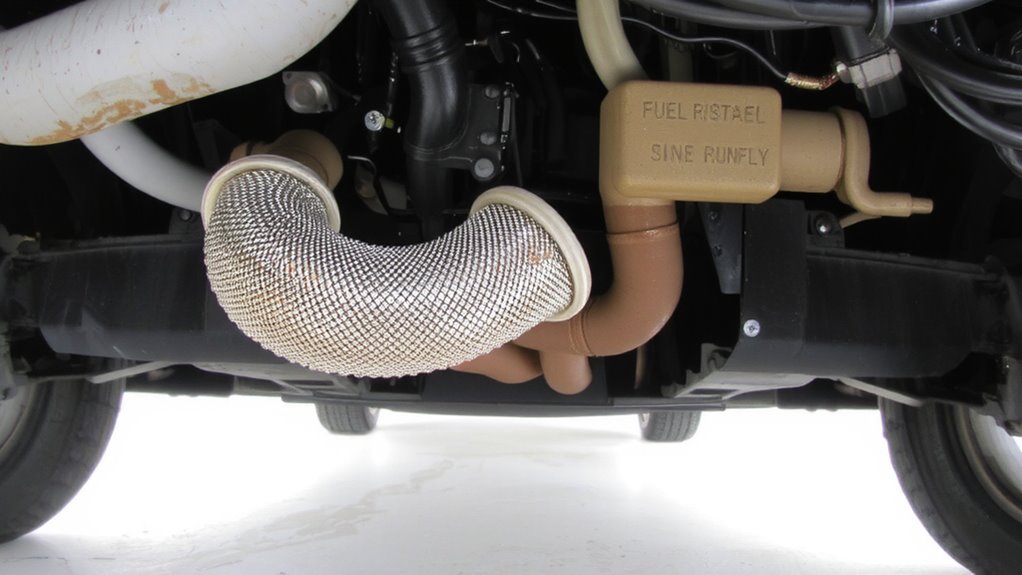
While rodents may seem harmless, their habit of gnawing on fuel lines can lead to costly damage and dangerous leaks. Understanding animal behavior helps explain why mice and rats chew on soft materials like rubber and plastic hoses. Their constant need to gnaw stems from continuously growing incisors. Without intervention, this behavior compromises vehicle maintenance and safety. Flexible metal shield wraps provide a durable solution. Made from 304 stainless steel interlocking coils, these wraps resist corrosion and abrasion. They fit snugly around fuel lines with diameters from ¼ inch to 1 inch. The shields maintain flexibility, allowing routing through tight engine compartments. Temperature resistance ranges from -60°F to 1200°F, ensuring performance in extreme conditions. Each wrap section installs in under 10 minutes using stainless steel clamps. This barrier doesn’t trap moisture or interfere with line function. Proper installation preserves fuel system integrity, prevents leaks, and extends vehicle service life.
How Flexible Metal Shield Wraps Block Animal Damage
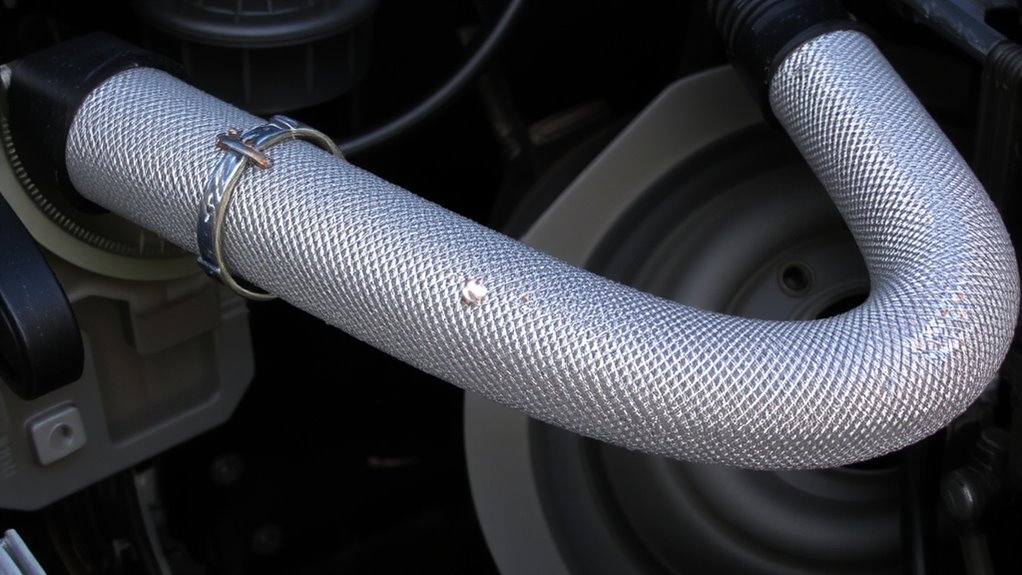
How do flexible metal shield wraps actually stop animals from damaging fuel lines? These wraps form a physical barrier that rodents can’t chew through. The tightly woven stainless steel mesh resists gnawing due to its high material durability. Even persistent animals fail to penetrate the rigid structure. Corrosion resistance guarantees long-term protection, even in damp or harsh environments. The metal doesn’t degrade when exposed to fuel, moisture, or temperature swings.
| Feature | Benefit |
|---|---|
| Stainless steel alloy | Superior bite resistance |
| Interlocking weave | Prevents edge collapse under pressure |
| Material durability | Withstands repeated animal attacks |
| Corrosion resistance | Lasts years without rust or pitting |
You install it snugly around the fuel line, and it stays in place. The flexibility allows bending around curves without weakening. No adhesives or tools are needed-just wrap and secure.
Choose the Right Shield Wrap by Size and Use Case
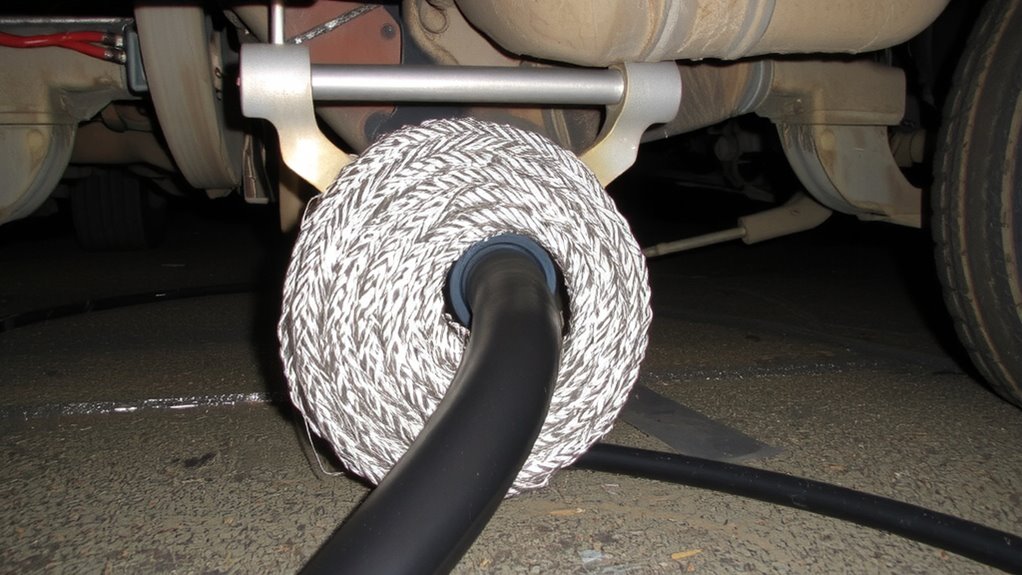
Selecting the right shield wrap starts with matching the diameter of the protection to your fuel line size-too loose and it shifts, too tight and it’s hard to install. Standard fuel lines range from 3/16” to 3/8” OD, so choose a wrap with an inner diameter within ±0.03” of your line’s measurement. Material selection matters-stainless steel offers superior durability and corrosion resistance, while galvanized steel provides adequate protection at lower cost. Flexible aluminum wraps bend easily but resist less chewing force. For under-hood use, pick heat-resistant grades rated up to 500°F. Conduct a cost comparison per linear foot: stainless hovers around $1.75/ft, galvanized at $1.20/ft. Consider lifespan-stainless can last over 10 years, nearly double that of galvanized in harsh environments. Match material and size precisely to your vehicle’s specs and local rodent activity levels.
How to Install Metal Shield Wraps in Minutes
A properly installed metal shield wrap can save your fuel line from rodent damage in critical areas like under the hood or beneath the vehicle frame. Use simple installation techniques: first, slide the wrap open, position it around the fuel line, then snap it shut. No tools are needed-just hand pressure to secure the interlocking edges. The flexible aluminum or stainless steel design conforms easily to bends and joints, guaranteeing full coverage. For best results, overlap segments by at least one inch to eliminate gaps. Most wraps install in under five minutes per section, offering unmatched time efficiency. Each wrap resists temperatures up to 1,200°F and withstands vibration and abrasion. Available in 6-inch to 24-inch lengths and diameters from 0.5 to 2 inches, they fit standard automotive, marine, and RV fuel lines. Proper placement guarantees immediate physical barrier protection where rodents are most likely to attack.
Why Metal Wraps Save Money and Prevent Repairs
Metal shield wraps offer real savings by stopping small animals from chewing through fuel lines-damage that leads to costly repairs and safety hazards. With durable stainless steel construction, these wraps provide long-term damage prevention. Each wrap resists corrosion and withstands temperatures from -40°F to 500°F, ensuring reliability in extreme conditions. The flexible design conforms to fuel lines up to 1.5 inches in diameter, offering full coverage without restricting fuel flow. Installed in minutes, they eliminate recurring repair costs, delivering immediate cost savings.
| Benefit | Specification |
|---|---|
| Material | 304 Stainless Steel |
| Max Line Diameter | 1.5 inches |
| Temp Range | -40°F to 500°F (-40°C to 260°C) |
These wraps are a proven solution for lasting protection.
On a final note
You protect fuel lines by installing flexible metal shield wraps. These abrasion-resistant sleeves stop rodents with welded stainless steel construction. They fit lines from ¼” to ½” outer diameter. Continuous corrugation allows tight bends without kinking. UV-stabilized polymer coatings resist weathering. Each wrap secures in minutes with hose clamps. Operating range: -40°C to 125°C. Proven to reduce repair costs by up to 90% in agricultural and marine settings.