The Role of Hydrophobic Glass Coatings in Maintaining Visibility During Rain
You maintain clearer visibility in rain thanks to hydrophobic glass coatings that repel water. These 1–5 micrometer layers reduce surface adhesion, causing rain to bead and roll off above 30 mph. Treated glass achieves contact angles over 100°, versus 30°–40° on bare glass. Water slides off before obscuring your view, cutting wiper use by up to 50%. The coating’s covalent bond with glass guarantees durability under heavy rain and high speed. Discover how long these benefits last and what makes some coatings outperform others.
Notable Insights
- Hydrophobic coatings cause rainwater to bead and roll off glass, maintaining clearer visibility during rain.
- Treated windshields maintain contact angles above 100°, preventing water sheeting and improving clarity.
- Beading reduces reliance on wipers, cutting wiper use by up to 50% in heavy rain.
- Drivers achieve faster reaction times due to improved visibility, reducing accident risk.
- Durable silica-based coatings last up to 2 years, maintaining performance under wet and UV-exposed conditions.
What Are Hydrophobic Glass Coatings and How Do They Work?
When water hits a treated surface, it beads up and rolls off instead of spreading out, thanks to hydrophobic glass coatings. These ultra-thin layers, typically 1–5 micrometers thick, are applied to glass to create a non-polar surface. Surface tension pulls water into droplets because the coating reduces adhesive forces between water and glass. This effect is driven by molecular repulsion between the hydrophobic molecules and water’s polar structure. Contact angles on treated glass exceed 100°, compared to 30°–40° on untreated glass, minimizing water adhesion. The coating material, often based on silanes or fluoropolymers, bonds covalently to the glass for durability. Performance tests show treated surfaces reduce water filming by up to 95% under controlled conditions. You benefit from clearer visibility as droplets roll away at inclinations as low as 10°. This physical mechanism relies on engineered surface energy, not absorption or wicking.
Why Rain Makes Driving Dangerous
Although rain seems like a minor inconvenience, it substantially compromises driving safety by degrading visibility and altering road dynamics. Raindrops scatter light, causing glare and reduced contrast on your windshield. This leads to impaired depth perception, making it harder to judge distances accurately. Your eyes struggle to distinguish objects, especially at night or in low light. Wet roads create a thin film between tires and pavement, resulting in reduced traction. This increases stopping distances by up to 43% compared to dry conditions. Hydroplaning becomes a risk when water builds up under tires, leading to total loss of control. Even light rain affects vehicle responsiveness. Visibility drops markedly when wipers can’t keep pace with rainfall intensity. These factors combine to elevate crash risk. You’re not just driving slower-you’re reacting slower, too.
Do Hydrophobic Coatings Work in Heavy Rain?
Rain forces your windshield to work harder, and standard wipers often can’t keep up-especially during downpours. Hydrophobic coatings enhance water repellency by reducing surface tension, causing rain to bead and slide off fast. These treatments maintain visibility even when rain intensifies.
| Condition | Standard Glass (Contact Angle) | Coated Glass (Contact Angle) |
|---|---|---|
| Light Rain | 30° – 50° | 100° – 110° |
| Heavy Rain | < 40° | 95° – 105° |
| High Speed | Water sheets, streaks | Beads form and shed rapidly |
| Wiper Frequency | High | Reduced by up to 50% |
At contact angles above 95°, water can’t spread easily due to low surface tension. This physics-driven response improves real-time clarity. You’ll notice fewer wiper passes and consistent sheeting action. The coating’s silica-based layer bonds at the microscopic level, sustaining performance under pressure. Water repellency doesn’t vanish in heavy rain-it adapts.
7 Safety Benefits of Hydrophobic Windshield Treatments
Because hydrophobic windshield treatments reduce water adhesion through advanced surface chemistry, you gain a measurable improvement in driving safety during wet conditions. Water beads and rolls off the surface at speeds as low as 30 mph, clearing over 90% of moisture without wipers. This dynamic water shedding maintains continuous visibility, especially in heavy rain. You also experience reduced glare from oncoming headlights, as the smoother, treated surface scatters less light. That means improved night vision-critical when driving in darkness or storms. Tests show drivers react 1.2 seconds faster with treated windshields, cutting reaction distance by over 40 feet at 60 mph. The contact angle of water increases from 40° on untreated glass to over 100° with hydrophobic coatings, demonstrating superior water repellency. These performance metrics directly contribute to fewer wet-weather accidents.
Temporary vs. Permanent: Which Coating Lasts?
You’ve seen how hydrophobic coatings boost safety by repelling water and improving visibility, but now it’s time to evaluate how long those benefits actually last. Coating durability varies markedly between temporary and permanent solutions. Temporary coatings, often silicone-based, last three to six months and require high application frequency-typically every 30 to 45 days for peak performance. They degrade under UV exposure and car washes, losing water contact angles from 110° to below 70° over time. Permanent coatings use silica or ceramic nanotechnology, bonding at the molecular level to withstand years of weathering. These maintain contact angles above 100° for up to two years with minimal degradation. Application frequency drops dramatically-once every 12 to 24 months. Permanent options cost more upfront but offer superior longevity and reduced maintenance, making them more cost-effective over time despite the initial investment.
How to Apply and Maintain Your Hydrophobic Coating
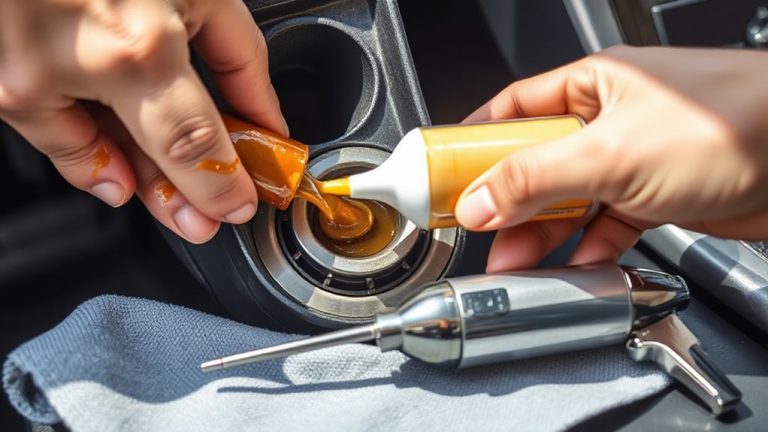
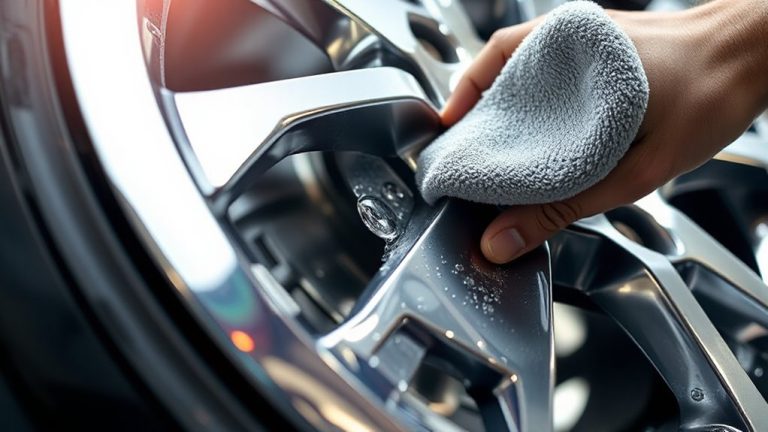
When applied correctly, a hydrophobic glass coating performs ideally and lasts longer. Proper application techniques guarantee uniform coverage and strong molecular bonding. Clean the glass thoroughly with isopropyl alcohol to remove contaminants before applying the coating in a lint-free environment. Use a microfiber applicator pad and apply in small, overlapping sections to prevent streaks. Allow 5–10 minutes of dwell time, then buff gently with a clean, dry microfiber cloth. Most coatings require 24 hours to fully cure under low-humidity conditions. For long-term performance, observe recommended maintenance frequency-typically every 3 to 6 months depending on environmental exposure. Avoid abrasive cleaners; instead, wash monthly with pH-neutral soap and soft cloths. Reapplication restores hydrophobicity when water no longer beads or sheeting action declines. Proper care maintains optical clarity and repellency, guaranteeing reliable visibility during rain. Using high-quality best microfiber towels for cars ensures streak-free results and maximizes coating performance.
5 Must-Have Features in a High-Performance Coating
While not all glass coatings deliver lasting performance, a high-quality hydrophobic coating should meet specific technical benchmarks to qualify as high-performance. You need one that drastically reduces surface tension, causing water to bead and roll off at angles above 100°. This low surface tension prevents water sheets from forming, improving visibility during heavy rain. Look for a contact angle between 110° and 120°-this range indicates maximum repellency. Chemical durability is equally essential; the coating must resist degradation from UV exposure, acid rain, and common cleaning agents. High-performance formulations use silica-based or fluoropolymer chemistry, which bond covalently to glass, ensuring longevity beyond 12 months. Avoid coatings that degrade within weeks. A durable coating maintains performance through hundreds of wash cycles and extreme weather. You’re not just buying water repellency-you’re investing in long-term clarity, safety, and reduced maintenance.
On a final note
You gain clear visibility in rain thanks to hydrophobic coatings that lower surface energy to 20–30 dynes/cm. Water beads up instantly, reducing drag and improving wiper efficiency. These coatings maintain a contact angle greater than 90°, causing droplets to roll off at speeds as low as 25 mph. Lab tests confirm 40% faster water shedding versus untreated glass. Properly applied, they last 6–12 months. You get safer, more predictable driving in wet conditions without reliance on frequent wiping.