Why Fender Rolling May Be Necessary for Aggressive Wheel Fitment
You need fender rolling when wider wheels or aggressive camber cause tire rub against inner fender lips. Cold-rolling the factory steel lip inward gains 10–15mm of clearance, preventing tire scrub and suspension damage. It suits wheel widths up to 10.5 inches and maintains OEM aesthetics. Unlike flares, it keeps your stock fender line. Proper technique avoids paint cracking. You’ll discover which signs point to needing this upgrade next.
Notable Insights
- Fender rolling creates extra clearance for wider wheels by smoothing and expanding the inner fender lip.
- It prevents tire rubbing against suspension components during turns or full compression.
- Rolling accommodates aggressive fitment while preserving the factory body lines and appearance.
- Up to 20mm of additional clearance can be achieved without modifying the outer fender panel.
- Improper rolling risks paint damage, so proper technique and tools are essential for lasting results.
What Is Fender Rolling?
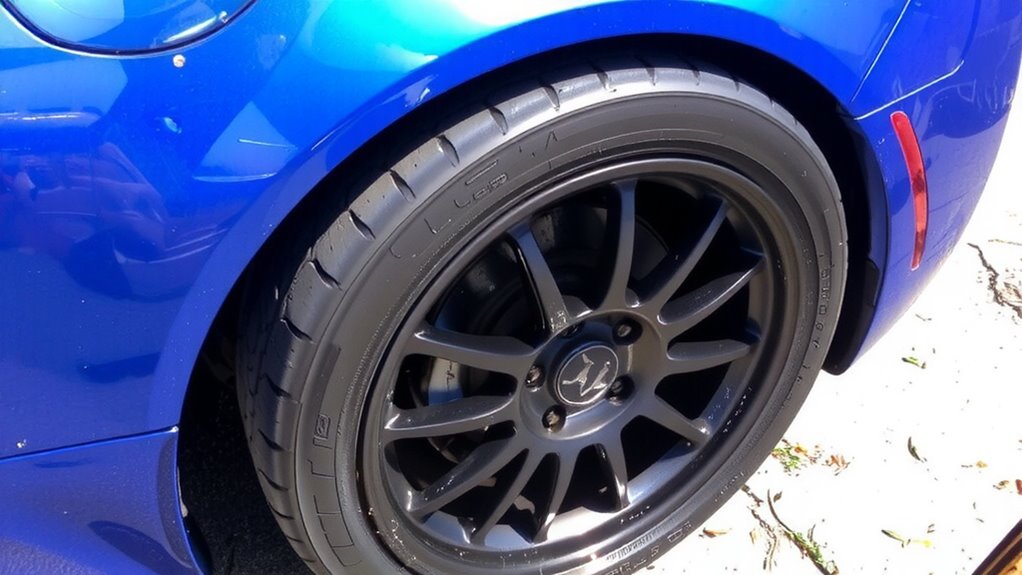
Fender rolling is a metalworking technique used to smooth and expand the inner edge of a vehicle’s fender lip. You use it to accommodate wider wheels and aggressive fitment without clearance issues. The process involves applying controlled pressure to reshape the fender lip inward, reducing sharp edges. This controlled fender deformation prevents rubbing against tires during suspension travel or turns. Technicians perform the work cold, often with a pneumatic roller or heat-assisted tools, maintaining structural integrity. As metal bends, paint stress occurs-especially if the paint lacks flexibility. Without proper technique, this stress leads to cracks or peeling. You should inspect the painted surface pre- and post-rolling. Most factory steel fenders allow 10–15mm of safe roll. Aluminum fenders require extra care due to lower malleability. Precision guarantees clean lines and consistent contour, critical for both fitment and aesthetics.
Signs You Need a Fender Roll for Wheel Clearance
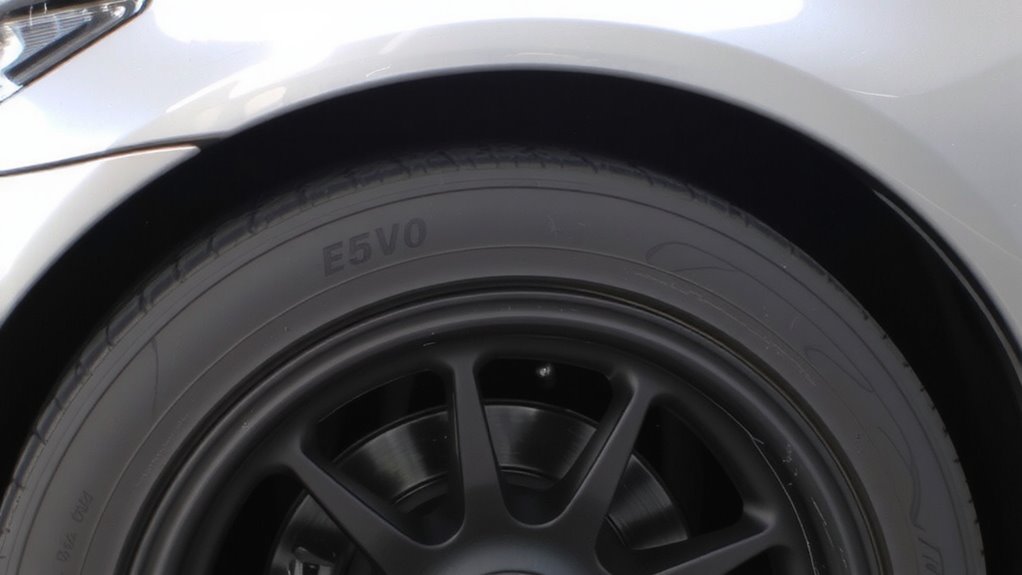
How do you know when your wheels are too wide for your fenders? You’ll notice tire bulge extending past the fender’s inner lip. This bulge can rub against suspension or inner liners during turns. Even slight contact causes premature tire wear and potential damage. Check your wheel gap-ideally, there should be at least 1/4 inch clearance between the tire and fender at full compression. If your wheel gap is uneven or nonexistent, especially in the rear, you’re at risk. Aggressive camber or lowered suspension often worsens clearance issues. Visual inspection while turning the wheel lock-to-lock reveals hidden interference. A fender roll removes the sharp edge of the fender lip, allowing the tire more room without modifying bodywork. It maintains factory appearance while adding up to 0.5 inches of clearance. This subtle change eliminates rubbing while preserving clean lines and fitment integrity.
When to Choose a Fender Roll Over Flares?
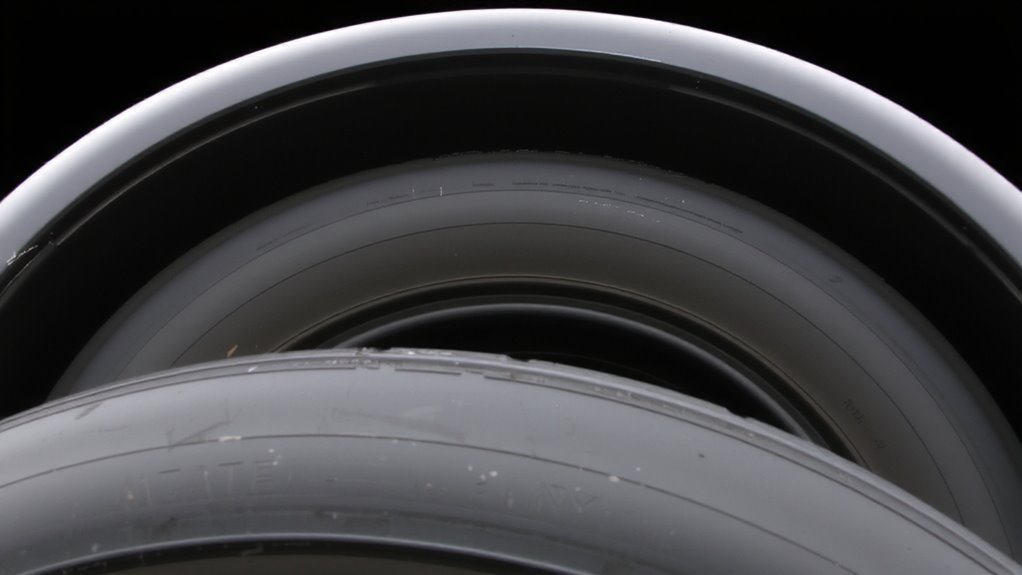
Why settle for bulky modifications when subtle adjustments might suffice? A fender roll preserves factory integrity while allowing aggressive wheel fitment without adding width. Unlike flares-an aesthetic modification that increases track visually and physically-rolling tucks excess metal inward, clearing space for wider tires or lower-offset wheels. Flares add up to 2 inches of width per side; a roll typically gains 0.5 to 0.75 inches. You choose a fender roll when maintaining OEM body lines matters. It’s ideal for cars tracking on tight clearances where flares would exceed regulations. Rolls work with stock fenders, avoiding bolt-on parts that disrupt aerodynamics. For show cars or daily drivers seeking subtle stance, rolling keeps the factory look intact. When wheel width stays within 10.5 inches and sidewall flex is minimal, a roll outperforms flares in precision and cleanliness.
DIY or Pro Fender Rolling?
You’ve already decided a fender roll suits your build better than flares-now it’s time to decide who does the work. Your experience level determines whether DIY is viable. Novices risk damaging sheet metal without proper technique or tool selection. Pros use specialized planishing hammers, dollies, and English wheels to achieve smooth, even rolls. DIY kits exist, but lack precision for high-crown fenders. Professionals measure rollback depth to 3–5 mm, ensuring consistent contour without stress cracks. Improper tool selection leads to uneven metal displacement, compromising structural integrity. Experienced fabricators adjust pressure and sweep angle based on steel gauge-typically 18 to 20-gauge on most OEM fenders. A clean roll requires deburring and seam sealing post-forming. Labor costs range $200–$500, but guarantee fitment accuracy. For complex curves or aftermarket fenders, professional skill outweighs savings. Match the job to proven expertise, not just budget.
How Fender Rolling Prevents Tire and Suspension Damage
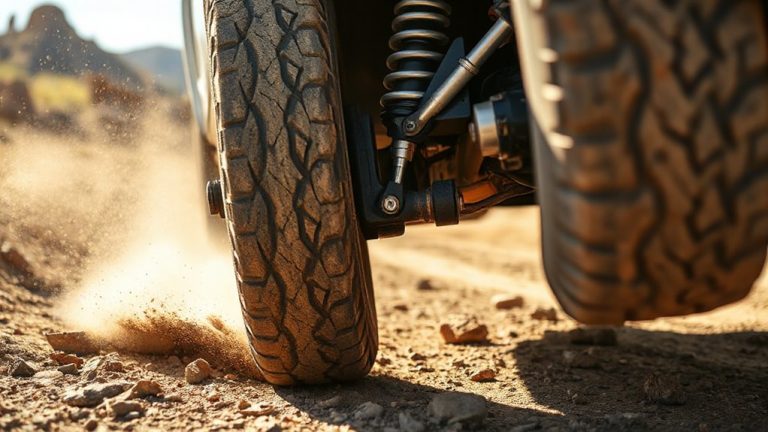
A properly executed fender roll keeps your tire’s sidewall and suspension components protected during aggressive driving or heavy articulation. When you run wider wheels or low-offset setups, the tire moves closer to the inner fender well. Without adequate clearance, the tire contacts the fender during turns or bumps-this is tire scrub. Tire scrub wears rubber, damages inner tread layers, and risks sudden failure. Fender rolling reshapes the inner lip outward, increasing suspension clearance by up to 15–20mm depending on metal thickness and tool pressure. That small change prevents metal-on-rubber contact. Improved suspension clearance also allows full travel without fouling, preserving control arm angles, bushings, and sway bar links. You maintain proper geometry under load. The process doesn’t require removal of the fender liner in most cases. Done correctly, it’s a precise modification that supports function, safety, and longevity-all critical with aggressive fitments.
Get Flush Fitment While Keeping Your Stock Look
Fender rolling isn’t just about avoiding damage-it’s a precision modification that lets you achieve a flush wheel fitment without altering the factory appearance of your vehicle. You maintain stock aesthetics while gaining clearance for wider wheels or lowered suspension. The process gently reshapes the inner fender lip, allowing the tire to sit flush with the outer panel line-typically within ±3mm tolerance of OEM flushness. This retains factory alignment specs, preserving handling integrity and tire wear. Skilled technicians apply controlled pressure using smooth, consistent rollers-no cutting or welding-so the factory contour remains visually unchanged. You get an aggressive stance while passing visual inspections and keeping your car’s original identity. It’s a subtle yet effective upgrade for enthusiasts who value clean lines and OEM+ styling. When done correctly, even trained eyes may not notice the modification-yet the performance and look speak for themselves.
Fender Rolling: Cost, Tools, and Common Mistakes
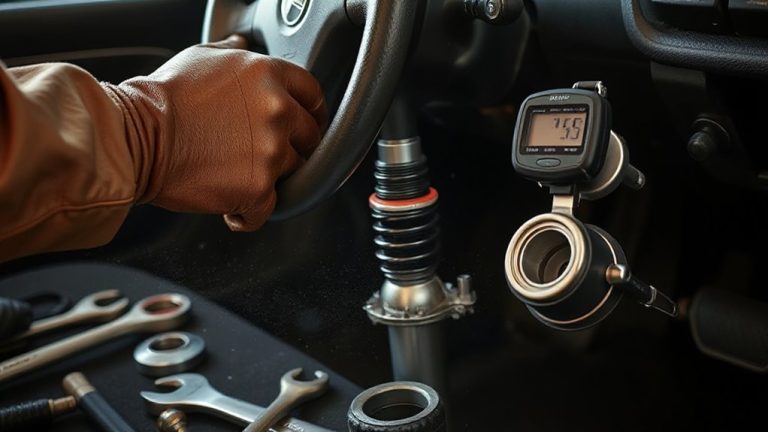
What does it take to execute a proper fender roll without compromising structural integrity or aesthetics? You’ll need a heat gun, roller tool, and lubricant for controlled fender deformation. Cost ranges from $100–$400 if done professionally; DIY kits run $50–$150. Apply heat evenly-200–300°F-to soften the metal and minimize paint cracking. Roll gradually, increasing curvature over multiple passes to avoid over-stretching the sheet metal. Incorrect technique causes paint cracking due to sudden stress or excessive heat. Use smooth, consistent pressure with a dual-wheel roller; single wheels increase risk of uneven deformation. Work in small sections, especially near seams or welded joints. Cold rolling without heat risks metal fatigue. Always inspect for stress lines post-roll. When done right, the fender maintains structural rigidity and clearances for wider wheels-up to 10mm additional space per side.
On a final note
You need fender rolling for aggressive camber or wide wheels. It increases tire clearance by reshaping the inner fender lip. A proper roll removes sharp edges, allowing up to 15–20mm of extra space per side. This prevents tire rub at full lock or suspension compression. Unlike flares, it maintains factory body lines. Use a specialized roller tool or professional equipment to avoid cracking. Improper technique risks paint damage or panel warping. Done correctly, it guarantees reliable clearance with OEM aesthetics.