Why Matte Coatings Can Be Damaged by Harsh Wheel Cleaners
Your matte coating can be damaged by harsh wheel cleaners because its porous surface, 12–18 microns deep, absorbs aggressive chemicals. These cleaners often have low or high pH, breaking down resin bonds or softening the polymer matrix. Acidic solutions below pH 5 cause pitting; alkaline ones above pH 9 create hazing. Micro-etching disrupts light scattering, creating permanent gloss spots. Heat worsens damage by reducing coating resistance up to 40%. Using pH-neutral products prevents this degradation-discover how to protect your finish effectively.
Notable Insights
- Harsh wheel cleaners contain acidic or alkaline chemicals that degrade matte clear coat resin bonds, causing pitting and gloss spots.
- Overspray from aggressive cleaners leads to micro-etching, disrupting the surface’s uniform texture and light-scattering properties.
- Matte coatings have porous, microscopically rough surfaces that absorb polar solvents, accelerating chemical damage and molecular erosion.
- Exposure to high-heat environments softens the polymer matrix, reducing resistance and increasing susceptibility to chemical attack.
- Improper cleaning tools and high-pressure rinsing can force cleaner droplets onto matte surfaces, causing irreversible hazing or discoloration.
Why Matte Paint Is Chemically Sensitive
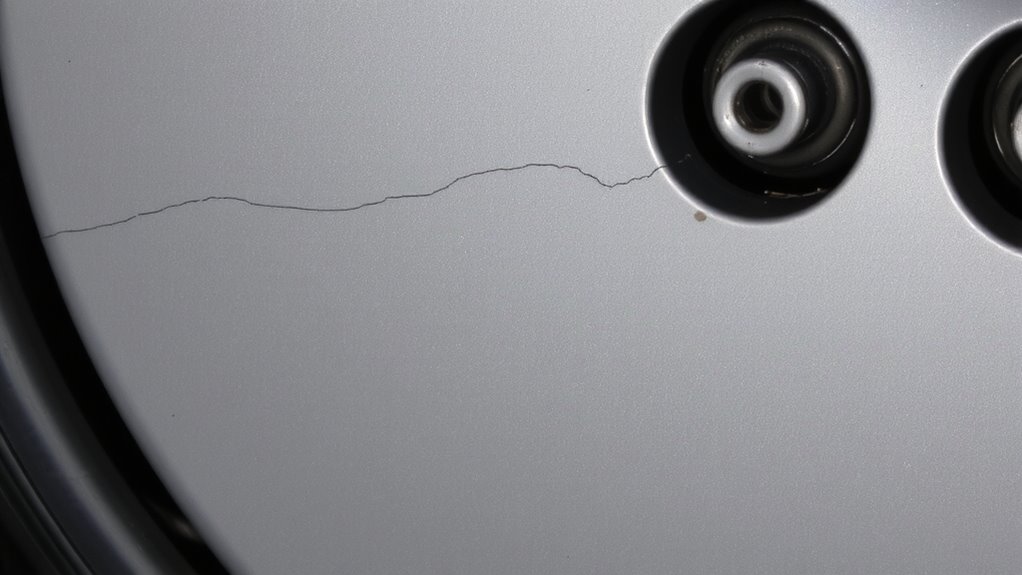
Matte finishes demand extra care because their surface structure is engineered to scatter light, not reflect it. This microscopically textured surface has higher surface porosity than glossy paints, making it susceptible to chemical absorption. You can’t rely on standard cleaners because the finish traps contaminants deep within its matrix. Surface porosity ranges from 12 to 18 microns in most matte films, creating a network of tiny cavities. These voids absorb polar solvents and acidic compounds aggressively, leading to swelling or discoloration. Chemical absorption isn’t just superficial-it alters the polymer matrix at a molecular level. Traditional wax-based products also fail here since they fill microscopic peaks, creating unwanted shine. Instead, you need pH-neutral, non-polar cleaners specifically formulated for low-gloss surfaces. The bond between the clear coat and the matte layer is delicate; once compromised, it can’t be polished back to original condition. Protect it proactively.
How Harsh Wheel Cleaners Damage Matte Finish
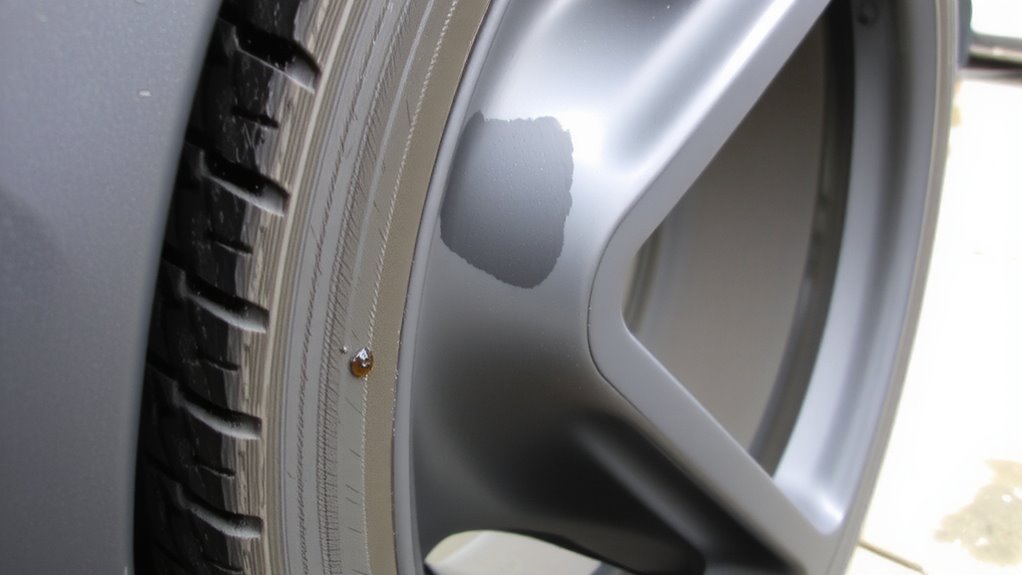
While you might think wheel cleaner won’t affect your car’s body, overspray or dripping onto matte surfaces can cause irreversible harm. Harsh wheel cleaners often contain aggressive chemicals that compromise the integrity of matte clear coats. When these solvents dwell on the finish, they create micro-etching that disrupts the uniform texture essential for a flat appearance. Wheel abrasion from improper brushes or pads during cleaning introduces scratches, which become highly visible under diffuse lighting. Heat exposure exacerbates chemical penetration, as elevated surface temperatures increase molecular activity, accelerating breakdown. Temperatures above 100°F can reduce the coating’s resistance by up to 40%. The combination of chemical aggression, physical abrasion, and thermal stress results in permanent gloss spots, discoloration, or hazing. Unlike glossy finishes, matte surfaces cannot be polished to correct damage. Once altered, the coating must be professionally resprayed to restore appearance.
How Acids and Alkalines Break Down Matte Clear Coat
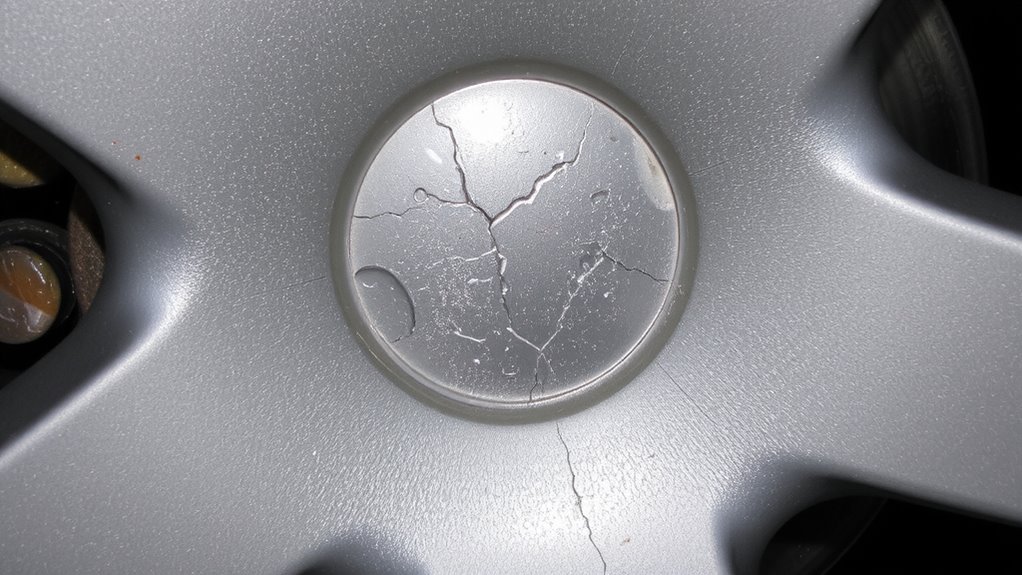
You already know aggressive wheel cleaners can ruin matte finishes through chemical attack and physical scrubbing, but the damage doesn’t stop there-acidic and alkaline solutions pose an equally serious threat to matte clear coat integrity. These substances trigger destructive chemical reactions that accelerate molecular erosion. Matte clear coats rely on a precisely engineered surface texture; even mild pH imbalances disrupt this structure.
| pH Level | Effect on Clear Coat | Resulting Damage |
|---|---|---|
| <5 (Acidic) | Breaks down resin bonds | Surface pitting, gloss patches |
| >9 (Alkaline) | Softens polymer matrix | Swelling, hazing |
| 7 (Neutral) | Minimal reactivity | Preserves texture and appearance |
Prolonged exposure deepens molecular erosion, permanently altering light diffusion. Chemical reactions between cleaners and urethane layers compromise durability. Always verify cleaner pH-neutral formulations prevent degradation. Your matte finish depends on chemical stability. Choosing a pH-balanced formula is essential when using acid wheel cleaners to avoid unintended finish damage.
How to Spot Matte Finish Damage
What does early-stage matte finish damage actually look like? You’ll notice subtle gloss spots where light reflects unevenly, especially under direct sunlight or garage lighting. These shiny patches indicate the protective layer has degraded. During visual inspection, look for discoloration, hazing, or dull streaks that weren’t there before. The surface texture may feel slightly smoother or slick in affected areas, a sign the micro-roughness essential for matte appearance has been chemically stripped. Unlike clear coat failure on glossy finishes, damage on matte films isn’t always visible head-on. View the panel at a 45-degree angle to detect texture breaks. Swirl marks won’t appear as scratches but as inconsistent light scatter. Damage often starts near wheels, where overspray from harsh cleaners accumulates. Early detection through routine visual inspection and touch-based surface texture checks can prevent total coating failure. Using a dedicated wheel cleaning kit can minimize the risk of overspray and chemical exposure to sensitive matte surfaces.
Why pH-Balanced Cleaners Protect Matte Surfaces
Why do some wheel cleaners cause irreversible damage to matte finishes? It’s due to harsh surface chemistry that degrades the finish’s protective layers. High-pH cleaners break down polymers in matte coatings, leading to gloss spots and texture changes.
| pH Level | Effect on Matte Surface |
|---|---|
| >10 | Dissolves protective layers, alters surface chemistry |
| 7–9 | Safe for regular use, maintains coating integrity |
| <3 | Causes etching, permanent dullness |
You need pH-balanced formulas (pH 7–9) because they clean without disrupting the coating’s molecular structure. These cleaners preserve the intended matte effect by avoiding aggressive acids or alkalis. They interact gently with surface chemistry, ensuring brake dust and grime are lifted while protective layers remain intact. Unlike industrial degreasers, pH-safe options don’t sacrifice finish longevity for cleanliness-giving you effective, reliable results every time.
How to Safely Clean Wheels on Matte-Paint Cars
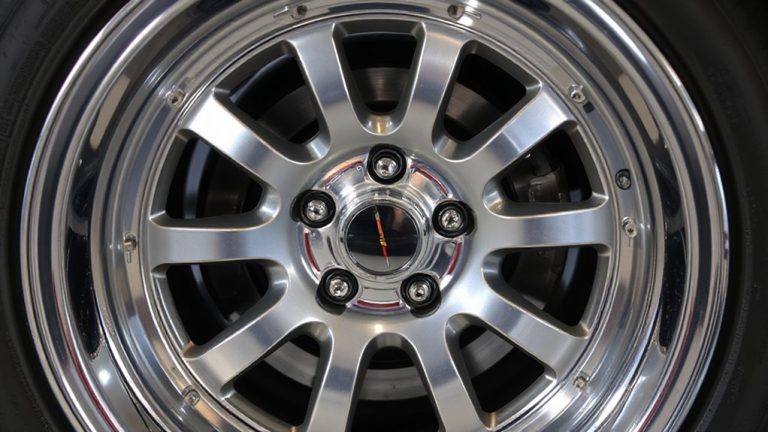
Maintaining matte paint integrity starts at the wheels, where aggressive cleaning compounds can compromise the finish just inches away. For proper wheel care, use only pH-neutral cleaners with a range of 6.5 to 7.5 to avoid etching or glossing the surrounding surface. Apply the solution with a soft-bristle brush made from nylon, no harder than 60 Shore D, to prevent micro-scratches. Rinse thoroughly at low pressure-under 1,000 PSI-to eliminate residue without atomizing cleaner onto adjacent panels. Always pre-rinse wheels to remove brake dust, which contains iron particles above 40 microns in size. Follow with a non-abrasive microfiber towel, rated under 300 GSM, for drying. This routine guarantees peak surface protection, preserving matte texture and preventing chemical degradation from cross-contamination. Applying a high-quality clear coat for wheels provides an additional layer of defense against contaminants and cleaning agents.
On a final note
You must protect matte finishes from harsh chemicals. Matte clear coats have a microscopically textured surface that repels light, not gloss. Acids and alkalines above pH 11 or below pH 3 disrupt this structure, dissolving protective resins. Damage appears as shine spots, rough patches, or hazing. pH-neutral wheel cleaners (pH 7.0 ± 0.5) preserve coating integrity. Use only non-acidic, non-caustic cleaners to maintain original factory matte specifications.