Remove Organic Debris Before Storage: Mold in 48-72 Hrs
You must remove organic debris before long-term storage because trapped moisture in leaves, dirt, and food crumbs creates a breeding ground for mold, which starts growing within 48–72 hours at over 60% humidity. Decaying matter releases acids that accelerate corrosion on metal surfaces, while hygroscopic dust and salt increase electrochemical activity by up to 300%. Food residues attract pests that chew wiring, risking $300+ in repairs. Failure to clean allows unchecked damage to interiors, chassis, and systems-compromising safety and value. Learn what steps guarantee complete protection.
Notable Insights
- Organic debris traps moisture, creating ideal conditions for mold growth within 48–72 hours in humid environments.
- Decomposing leaves and food residues release acids that accelerate metal corrosion, especially on chassis and brake lines.
- Dust and dirt contain hygroscopic particles that attract moisture, promoting rust on metal surfaces during storage.
- Food crumbs attract pests like rodents and insects, which can damage wiring and interiors within days.
- Skipping cleaning can lead to irreversible damage, reducing structural integrity and resale value over time.
What Makes Organic Debris Dangerous in Vehicle Storage?
While it might seem harmless, organic debris like leaves, twigs, and animal droings poses serious risks during vehicle storage. Moisture trapped in debris creates ideal conditions for mold growth, which can damage interior surfaces and HVAC systems. Mold spores spread rapidly in enclosed spaces, especially above 60% humidity. Organic matter also retains moisture against metal surfaces, accelerating chemical corrosion. Acids in decaying leaves and animal waste react with paint and exposed steel, lowering pH levels and initiating electrochemical oxidation. This process compromises protective coatings, particularly in wheel wells and undercarriages. Even brief exposure-72 hours in damp conditions-can initiate irreversible corrosion. Over time, structural integrity weakens, with rust penetrating up to 0.02 inches monthly in high-humidity environments. You must remove all organic material before storage to prevent long-term degradation. Prevention guarantees corrosion rates remain below 0.001 inches per year, preserving vehicle value and safety.
How Leaves and Dirt Cause Rust During Long-Term Storage
When organic debris like leaves and dirt accumulate on your vehicle before storage, they trap moisture against metal surfaces, creating the perfect environment for rust formation. This moisture retention keeps steel or iron components damp for extended periods, allowing oxidation to begin within 48 hours in humid conditions. Even light dust holds hygroscopic particles that attract atmospheric water vapor, increasing surface wetness. Leaves decompose and release organic acids, accelerating chemical corrosion on exposed undercarriages or panels. These reactions occur at microscopic levels but propagate quickly, especially at joints or seams where drainage is poor. Salt residues in dirt reduce the electrical resistance of water, enhancing electrochemical activity by up to 300%. Without airflow to evaporate trapped moisture, corrosion spreads unseen beneath debris layers. Removing all organic material before storage eliminates these risks, preserving structural integrity and finish during inactivity. Applying a best car rust remover after cleaning can further protect vulnerable areas from early-stage corrosion.
Why Food Crumbs Invite Pests Into Stored Cars?
Because food crumbs release volatile organic compounds that act as attractants, even small spills inside your stored vehicle can draw in pests seeking nourishment. Food spills, especially those containing carbohydrates or proteins, degrade slowly in enclosed spaces. They emit trace odors detectable by insects and rodents from several meters away. Sugary residues from drinks or snacks leave behind tacky films that adhere to upholstery and floor seams, providing an ideal energy source for ants and cockroaches. Rodents, such as mice, rely on scent trails and can locate these nutrient sources within 24–48 hours of exposure. Once inside, they gnaw on wiring and insulation, causing average repair costs exceeding $300. Temperatures between 10°C and 25°C accelerate microbial breakdown of crumbs, increasing odor dispersion. These micro-attractants accumulate in hidden zones-under seats, in console crevices-creating persistent infestation risks. A single gram of residual organic matter can sustain multiple pest generations during storage.
How to Remove Organic Debris Before Storage
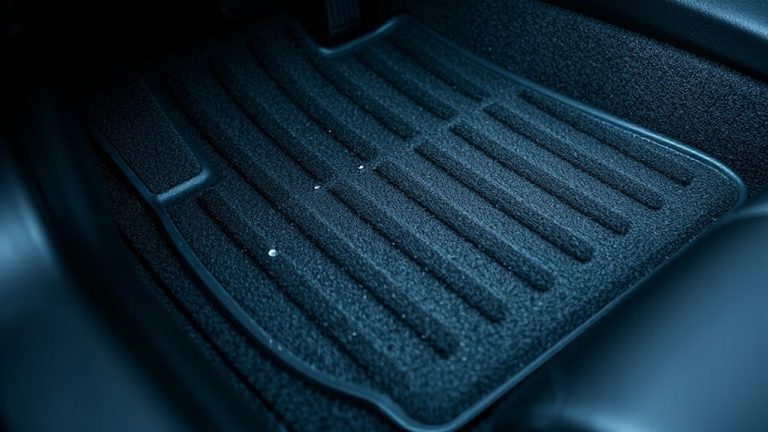
Start with a thorough clean using a vacuum rated for fine particulate matter, ideally with a HEPA filter and minimum 60 air-watts of suction power. This captures dust, food particles, and allergens embedded in seams and under seats. Use crevice tools to reach tight gaps where organic debris accumulates. Wipe interior surfaces with a microfiber cloth and pH-balanced cleaner to prevent residue. For exterior care, perform surface polishing with a compound rated 1500–3000 grit to remove light oxidation and prepare paint for protection. Follow with wax or ceramic coating. Conduct engine detailing using a degreaser safe for plastics and rubber, then rinse with low-pressure water. Avoid excessive moisture near electrical components. Dry all surfaces completely to prevent microbial growth. These steps guarantee a contaminant-free surface before long-term storage, minimizing degradation risks. For deeper imperfections, apply a high-quality car body filler to restore smoothness and ensure optimal surface preparation.
What Happens If You Skip the Pre-Storage Cleanout?
If you leave organic debris in your vehicle before storage, you’re inviting a cascade of preventable damage that compounds over time. Organic matter like food crumbs, leaves, or moisture-trapped fabric attracts mold spores, creating ideal conditions for mold growth within 48 to 72 hours in humidity above 60%. Mold deteriorates upholstery, wiring insulation, and HVAC components, leading to costly repairs. Decomposing debris releases organic acids that promote corrosion acceleration on metal surfaces, including chassis, brake lines, and electrical connectors. This process is especially aggressive in enclosed environments with temperature fluctuations. Corrosion can reduce structural integrity by up to 20% over six months in untreated cases. Biological residue also attracts pests, whose nesting exacerbates material breakdown. Over time, combined mold growth and corrosion acceleration degrade both mechanical reliability and cabin air quality. Skipping the pre-storage cleanout directly compromises system longevity, resale value, and post-storage safety. Prevention through cleaning is faster, cheaper, and more effective than restoration.
How to Keep Debris Out During Vehicle Storage
A clean vehicle stays protected only as long as contaminants are kept out during storage. Use a breathable car cover rated for long-term indoor or outdoor use to block dust, insects, and organic debris. Covers made from polypropylene or multi-layer non-woven fabric prevent moisture buildup by allowing consistent air circulation. Seal all entry points-close windows, shut doors and sunroof, and apply foam gap sealers around doors if needed. Place rodent deterrents like ultrasonic devices or peppermint oil-soaked rags near entry zones, but avoid direct contact with surfaces. Install silica gel desiccants inside the cabin and trunk to absorb ambient humidity. Maintain a storage environment with relative humidity below 50% to minimize condensation risks. Guarantee at least 18 inches of clearance around the vehicle for maximum air circulation. This prevents debris accumulation and reduces moisture buildup that leads to mold or corrosion. For optimal protection, consider using a best car storage solution that combines durable materials with climate adaptability.
On a final note
You must remove organic debris before long-term storage. Leftover leaves, dirt, and food crumbs retain moisture, creating a corrosive environment. This moisture accelerates rust formation, especially on steel components like frames and brake lines. Organic matter also attracts rodents, which chew wiring-30% of storage-related electrical faults link to pest damage. A thorough cleaning prevents these issues. Use pH-neutral cleaners and microfiber cloths to avoid surface damage. Store in a dry, climate-controlled space above 40°F (4°C) to inhibit biological activity.