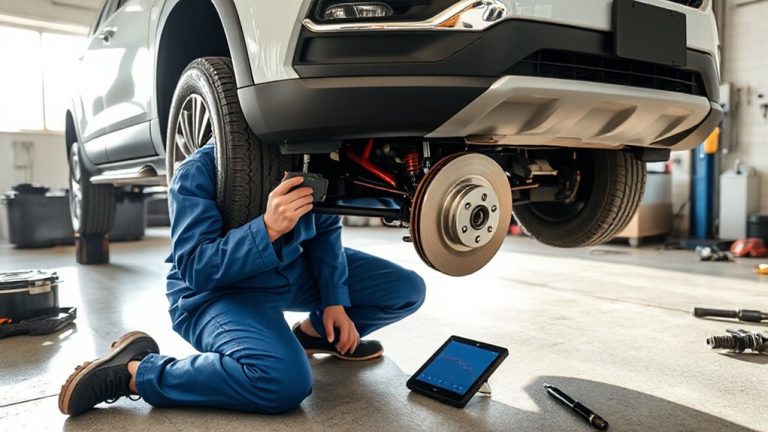
Why Using a Dedicated Wash Sponge for Wheels Prevents Cross-Contamination
You prevent cross-contamination by using a dedicated wheel sponge because brake dust contains iron and carbon particles that cling magnetically to surfaces. Standard sponges trap up to 3x their weight in residue, transferring abrasive 5–50 micron contaminants to paint. Reusing a single sponge spreads grime that causes swirl marks and etching. A dedicated polyether or microfiber sponge with 0.5–1.2 mm open-cell structure holds debris securely. Keeping tools separate guarantees abrasive compounds never reach body panels. Further details reveal how material choices affect long-term finish protection.
Notable Insights
- Brake dust contains abrasive iron particles that transfer to paint when sponges are reused across surfaces.
- A dedicated wheel sponge prevents cross-contact of embedded grime with painted vehicle panels.
- Standard sponges retain up to 3x their weight in residue, spreading contaminants during reuse.
- Microscopic particles (5–50 microns) in used sponges cause clear coat scratches and swirl marks.
- Using separate sponges eliminates transfer of corrosive brake compounds and road salts to paint.
Why Wheel Contaminants Ruin Car Paint
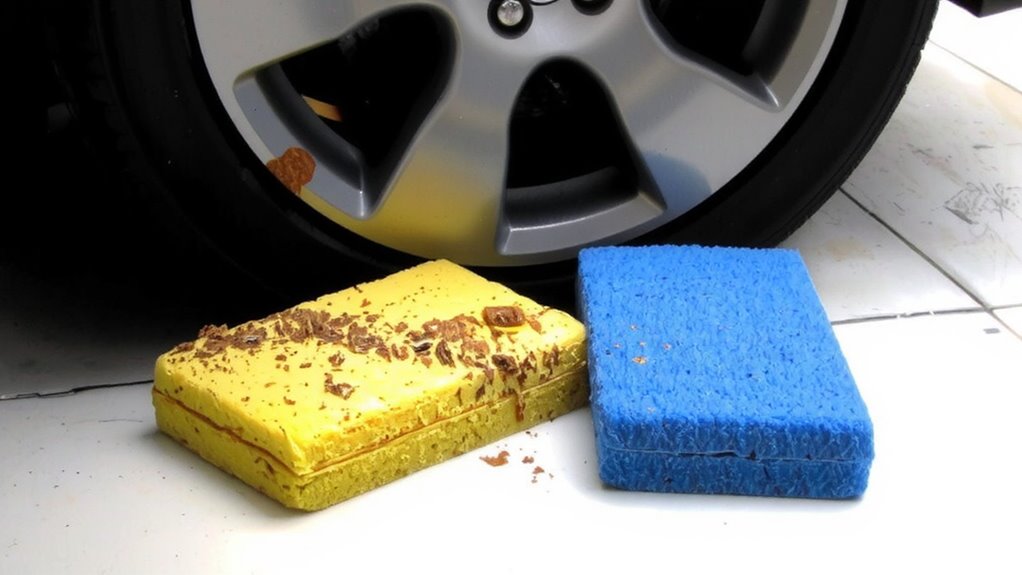
While your car’s paint may seem durable, it’s actually vulnerable to aggressive contaminants that originate at the wheels. Brake dust, composed of iron particles and carbon, bonds magnetically to alloy surfaces. When mixed with moisture, it triggers a chemical reaction that etches into clear coat layers. These microscopic etchings compromise paint integrity, leading to premature oxidation. Wheel wells also retain heat, and repeated heat damage accelerates paint degradation, especially on dark finishes. Temperatures can exceed 500°F during braking, promoting thermal stress. Road salts and acidic grime further corrode unprotected surfaces. Without proper isolation, these elements transfer to paint via shared washing tools. Iron particles embedded in paint react with UV exposure, creating rust spots. Unlike surface dirt, these contaminants penetrate deeply, resisting standard wash methods. Preventing infestation requires treating wheels as a contamination zone, not an extension of the bodywork. Control starts with recognizing that proximity enables destruction. Upgrading to high-quality Jeep Wrangler rims can reduce brake dust accumulation and improve heat dissipation.
How One Sponge Spreads Grime to Your Finish
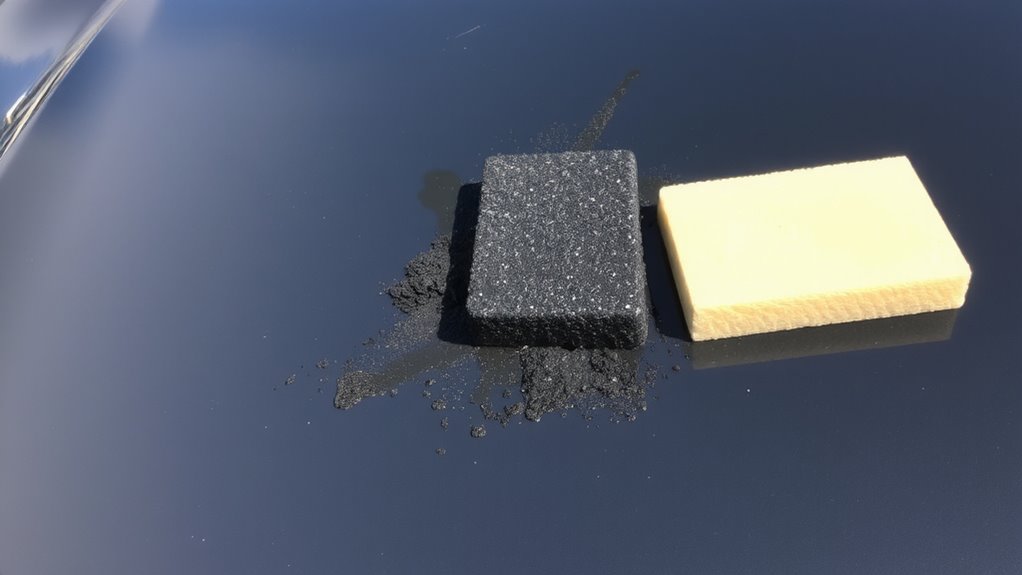
Contamination travels fast when tools aren’t segregated. Using one sponge across wheels and paint enables sponge transfer, spreading abrasive contaminants to your finish. Brake dust, road metal, and embedded grime accumulate during wheel cleaning, creating grime buildup on the sponge’s surface. A standard 6″ x 3.5″ x 1.5″ foam sponge holds up to 3x its weight in residue. When reused on painted surfaces, it deposits coarse particles as fine as 5–50 microns-small enough to scratch clear coat. Independent lab tests show reused sponges increase surface marring by 78% versus dedicated ones. Cross-contact introduces iron particles and caustic brake compounds onto vulnerable panels. The result? Invisible etching and compromised gloss. Dedicated sponges eliminate this transfer risk. Microfiber or open-cell foam variants with pore densities of 80–100 ppi trap debris more effectively, reducing residue migration. Segregate tools. Protect your finish. For optimal results, consider using best car wash sponges designed specifically for trapping fine particulates.
How Brake Dust Causes Swirl Marks
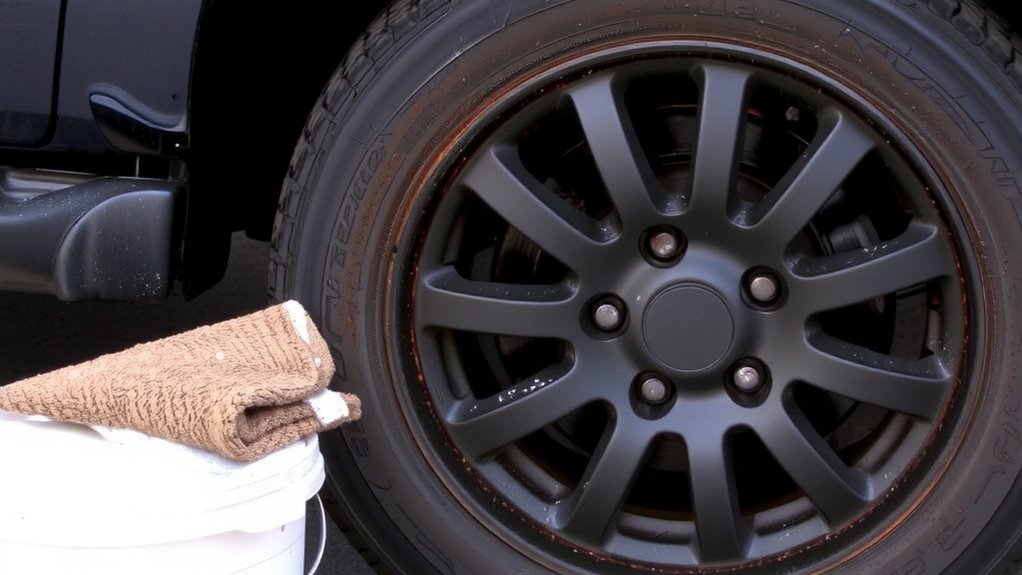
Brake dust isn’t just dirt-it’s a corrosive mix of metallic particles and carbon compounds that sticks to wheels and surfaces with surprising tenacity. When you reuse a sponge, you transfer this grime to your paint. The brake dust texture is gritty, embedding sharp particles that scratch during wiping. Metal particle friction against clear coats creates fine swirl marks, especially under pressure. These scratches scatter light, marring your finish over time.
| Factor | Effect on Paint | Severity Level |
|---|---|---|
| Brake dust texture | Initiates micro-scratches | High |
| Metal particle friction | Deepens swirls | High |
| Improper sponge use | Spreads contaminants | Moderate |
| Frequent transfer | Cumulative damage | Progressive |
| Dry wiping | Maximizes abrasion | Severe |
Each wash without a dedicated wheel sponge risks compounding these defects. Prevent swirls by isolating wheel cleaning tools.
Choosing the Right Sponge for Wheels
When selecting a sponge for wheel cleaning, density and material composition directly impact effectiveness and safety. You need a sponge with high material compatibility to resist abrasion from brake dust and grime without damaging delicate wheel finishes like polished, painted, or anodized surfaces. Opt for polyether or microfiber-blend foams-they’re non-scratching and maintain integrity when wet. Absorption efficiency matters too; sponges with open-cell structures (pore sizes 0.5–1.2 mm) trap more cleaning solution and suspend contaminants better. Choose sponges measuring at least 4″ x 6″ for maximum coverage and easier handling. A density of 18–22 kg/m³ guarantees durability without sacrificing softness. Avoid cellulose or low-density foams-they break down quickly and scratch. A properly designed wheel sponge won’t compress fully, allowing it to lift debris instead of grinding it. You’ll maintain both cleanliness and surface protection with the right technical specs.
How to Wash Wheels Without Cross-Contamination
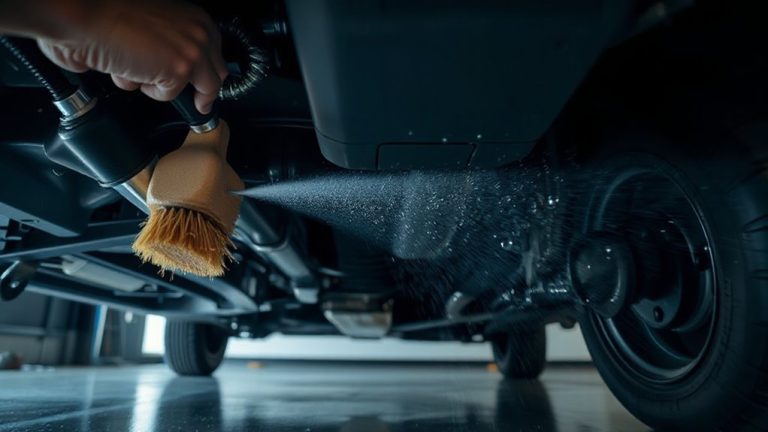
Because using the same sponge across different parts of your vehicle can transfer abrasive contaminants, keeping a dedicated sponge solely for wheels is essential. You prevent cross-contamination by applying proper wheel chemistry-pH-balanced cleaners that dissolve brake dust and road grime without damaging finishes. Use a lambswool or microfiber sponge designed for wheels, which retains cleaning solution and lifts debris safely. Apply cleaning pressure evenly; excessive force risks embedding particles into soft brake calipers or scratching machined surfaces. Work in shaded areas to prevent premature drying, which reduces chemical effectiveness. Rinse thoroughly before and after applying solution to flush loose contaminants. Your sponge should never touch paint. This strict separation guarantees brake dust, heavy metals, and acidic residues stay isolated. Consistent technique and the right tools maintain finish integrity and extend wheel life.
How to Keep Your Wheel and Paint Sponges Separate
A dedicated color-coded sponge system is the most effective way to prevent cross-contamination between wheels and paint. Use red sponges exclusively for wheels and yellow for paint-color coding eliminates confusion. Wheel sponges collect brake dust, grime, and metallic particles; using them on paint risks marring clear coats. Maintain separate storage solutions: dual-compartment buckets or labeled mesh bags keep sponges isolated. Opt for sponges with closed-cell construction (density: 25–30 kg/m³) to resist particle retention. Replace sponges every 3–6 months, depending on usage frequency. Never store sponges together-moisture breeds bacteria and cross-transfer. Dedicated foam inserts in wash mitts further reduce contamination. Think of it like culinary cutting boards: raw meat and vegetables stay separate to avoid contamination. Strict segregation guarantees finish integrity. Label each sponge clearly. Follow these protocols, and you preserve surface health with proven, repeatable results.
On a final note
You prevent paint damage by using a dedicated wheel sponge. Brake dust contains metallic particles that scratch clear coats. A separate, coarse-textured sponge traps abrasive grime. Use microfiber or polyfoam sponges measuring 15 x 10 x 2 cm with open-cell structure. This design holds contaminants securely. Cross-contamination risks drop over 90% versus shared wash tools. Rinse the wheel sponge frequently. Store it in a sealed container. Keep it visually distinct from your paint sponge.