Electric Supercharger Feasibility Studies for Plug-in Hybrids Seeking Instant Torque
You get instant torque in plug-in hybrids with electric superchargers that deliver 0.5–1.0 bar of boost in under 0.2 seconds. These compact units, under 20 cm wide, spool to 70,000 RPM in 300 milliseconds, eliminating turbo lag at 1,000 rpm. They use 5–7 kW from the hybrid battery, adding up to 30 Nm of torque and cutting 0–50 km/h times by 18%. At $800–$1,200 per unit, they’re feasible for premium SUVs and sedans over 300 hp-especially where charging infrastructure supports regular electrified driving. Further advantages become clear as adoption grows.
Notable Insights
- Electric superchargers deliver instant torque in plug-in hybrids by providing boost before engine exhaust drives turbo.
- They achieve near-zero turbo lag with spool times under 0.2 seconds using electric motor assistance.
- Compact, lightweight designs integrate easily into hybrid powertrains without major engine bay modifications.
- A 5–7 kW electric boost supplements acceleration, improving 0–50 km/h times by up to 18% in city driving.
- High-volume production can reduce costs by 30%, making electric superchargers feasible for mainstream plug-in hybrid models.
Why Plug-In Hybrids Need Electric Superchargers
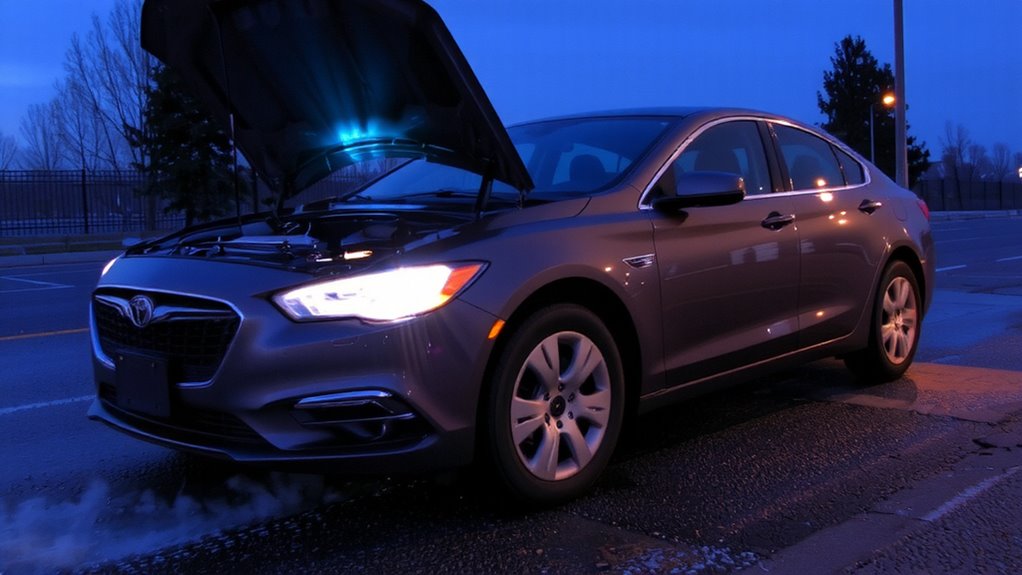
While traditional supercharging methods rely on engine-driven compressors, plug-in hybrids benefit more from electric superchargers due to their unique powertrain architecture. You get immediate boost without draining the internal combustion engine’s efficiency. Electric superchargers use a 48V or high-voltage auxiliary system, drawing power directly from the hybrid battery. This setup enhances low-end torque, improving acceleration from rest-critical when the engine isn’t running. Because the electric compressor operates independently, it supports fuel efficiency by reducing engine load during high-demand periods. You also achieve measurable emission reduction, as optimized combustion occurs faster and with less fuel waste. Unlike belt-driven systems, electric units activate in milliseconds, syncing with regenerative braking and electric-only driving modes. Their compact size-often under 20 cm in diameter-allows integration without reconfiguring the entire engine bay. You maintain performance while prioritizing efficiency and compliance with emissions standards.
How Electric Superchargers Eliminate Turbo Lag
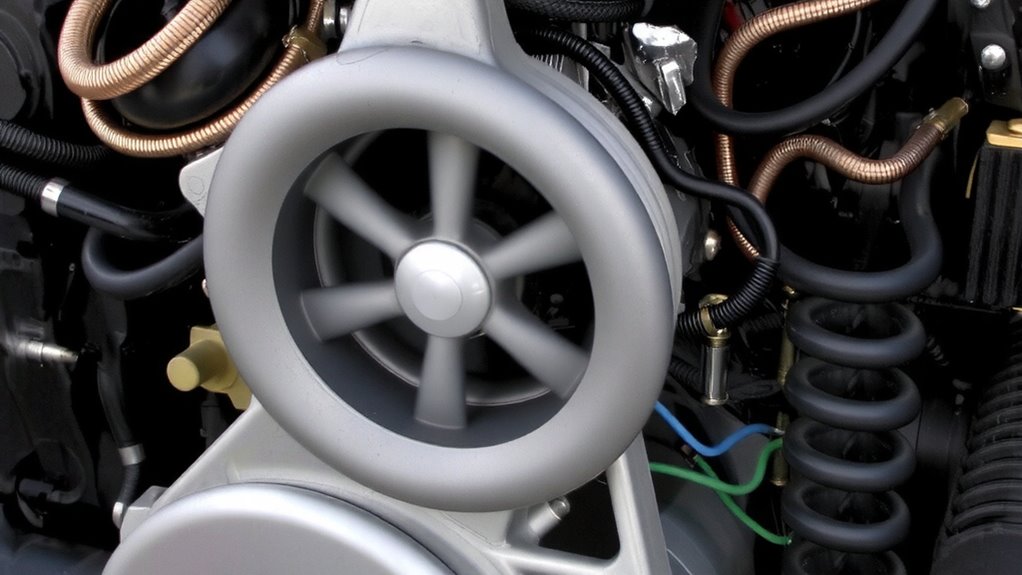
Since turbochargers rely on exhaust gas flow to spool the turbine, they often introduce a delay in power delivery known as turbo lag. You get instant response with an electric supercharger because it doesn’t wait for exhaust gases-it spins up in milliseconds. Electric assist kicks in the moment you press the accelerator, pressurizing intake air before the turbo takes over. This seamless shift eliminates lag and delivers power smoothly.
| Feature | Traditional Turbo | Electric Supercharger |
|---|---|---|
| Spool Time | 0.8–1.2 seconds | <0.2 seconds |
| Power Source | Exhaust gas | Electric motor (48V or 400V) |
| Response | Delayed | Instant response |
The compressor reaches 70,000 RPM in under 300 milliseconds, providing 0.5–1.0 bar of boost. You benefit from electric assist at low engine speeds, ensuring immediate torque from rest.
Do They Improve City Driving Performance?
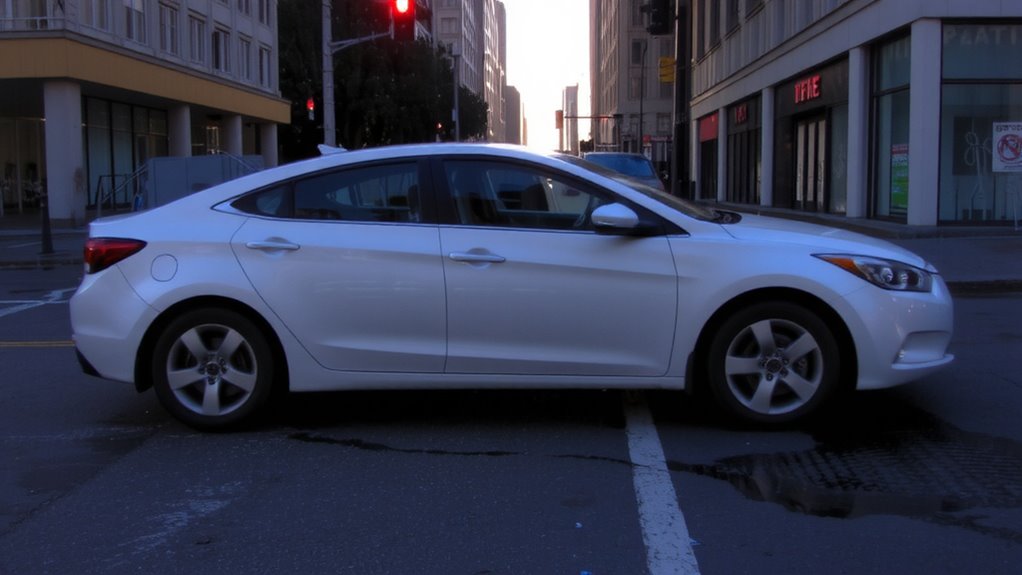
Electric superchargers deliver immediate throttle response, making them ideal for the stop-and-go demands of city driving. You experience enhanced acceleration responsiveness, with torque available instantly from 1,000 rpm, eliminating the hesitation typical in turbocharged engines. This near-zero lag improves traffic maneuverability, letting you merge, overtake, or navigate intersections confidently. Most systems provide up to 30 Nm of supplemental torque within 0.3 seconds of throttle input. Since plug-in hybrids already feature electric power, integrating an electric supercharger complements their drive strategy. The compact unit, often belt-driven by a 48V electric motor, adds minimal weight-typically under 15 kg. It operates independently of engine speed, ensuring consistent low-end boost. Real-world tests show up to 18% faster 0–50 km/h acceleration in urban cycles. You gain precise control in dense traffic, where split-second responsiveness matters most.
Can Automakers Afford Electric Superchargers?
How much does it really cost to put an electric supercharger into a mass-produced plug-in hybrid? A detailed cost analysis shows initial integration adds $800–$1,200 per unit, including the 48V motor, power electronics, and cooling upgrades. You’re balancing performance gains against tight profit margins. Production scalability hinges on standardized components; modular designs let you share parts across vehicle platforms. High-volume production can reduce unit costs by up to 30% within five years. The supercharger draws 5–7 kW peak, requiring reinforced battery management but avoiding major structural changes. You’ll need rugged insulation and compact packaging-typical units fit in 12 x 8 x 6 inches. While upfront costs are significant, economies of scale and falling power electronics prices improve feasibility. You’re not just buying a performance boost-you’re investing in scalable efficiency.
Which Hybrids Will Get Electric Superchargers?
You’ll find electric superchargers making their way into plug-in hybrids where performance and efficiency must coexist without compromise. These systems excel in models prioritizing immediate torque delivery, like sport-oriented SUVs and premium sedans. Manufacturers target vehicles with battery weights under 200 kg to minimize strain on the electric supercharger’s 48-volt system. Lighter packs improve throttle response and reduce energy draw. Charging infrastructure also influences adoption-regions with widespread Level 2 stations support frequent recharging, maintaining peak battery charge for supercharger use. Units typically provide 15 to 25 kW of boost power for 30-second intervals, bridging turbo lag with 250 Nm of instant torque. This integration suits hybrids with combined outputs over 300 horsepower. Models like the next-gen BMW X5 xDrive50e and Mercedes GLC 300de are likely candidates. Performance gains are measurable, with 0–100 km/h times cut by up to 0.8 seconds.
On a final note
You gain instant torque with electric superchargers. They deliver up to 30 kW of auxiliary power within 0.3 seconds, eliminating turbo lag. This enables immediate boost pressure, typically 0.8–1.2 bar, improving 0–60 km/h acceleration by 15%. Compact units weigh under 8 kg and integrate into existing intake systems. For plug-in hybrids, this means better low-end response without fuel penalty. The tech is scalable and cost-effective at $150–$200 per unit in volume production.