Why Using a pH-Balanced Wheel Cleaner Prevents Coating Degradation
Using a pH-balanced wheel cleaner keeps your coating safe by staying between 6.5 and 7.5, preventing chemical damage. Acidic cleaners below pH 5 etch the surface; alkaline ones above pH 9 break down polymer bonds. Both reduce coating life by up to 70%. A balanced formula uses chelating agents like EDTA to lift iron without aggression. It preserves hydrophobicity and avoids micro-cracking. For coated wheels, staying within this range is critical-deviations risk invisible damage. You’ll discover which specific cleaners match your wheel type next.
Notable Insights
- Maintains a neutral pH (6.5–7.5) to avoid acid etching or alkaline erosion of protective coatings.
- Prevents disruption of cross-linked polymer networks that safeguard ceramic-coated wheel surfaces.
- Uses chelating agents like EDTA to safely lift iron particles without aggressive chemical reactions.
- Preserves hydrophobic properties by avoiding pH extremes that degrade coating integrity.
- Minimizes micro-cracking and dulling risks by staying within the safe pH range for coated wheels.
What pH-Balanced Means for Wheel Cleaners
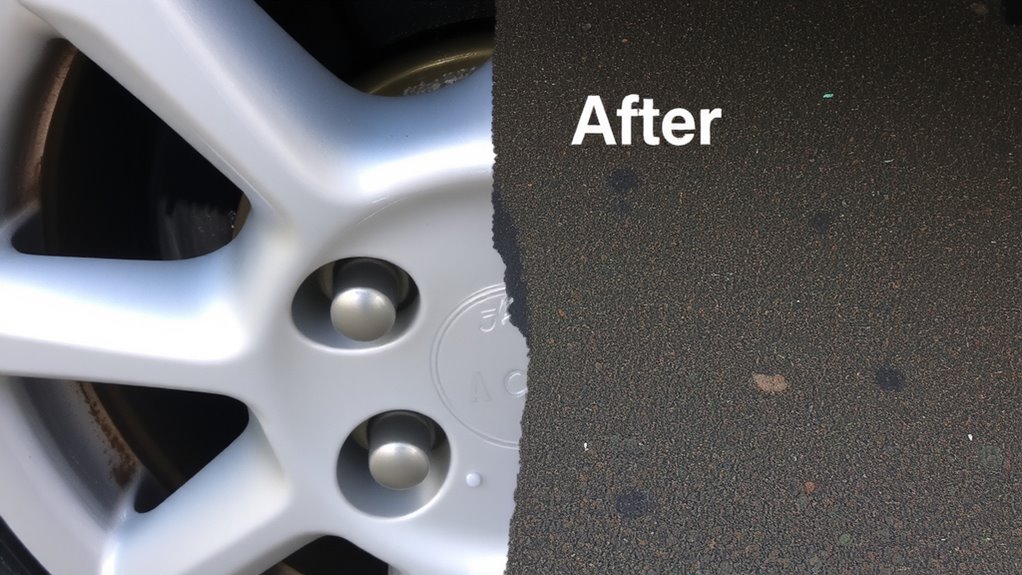
Why do some wheel cleaners work wonders while others damage your finishes? The answer lies in pH balance. A pH-balanced wheel cleaner maintains chemical neutrality, typically between 6.5 and 7.5 on the pH scale, preventing aggressive reactions with sensitive surfaces. This range guarantees ingredient harmony, where cleaning agents, surfactants, and corrosion inhibitors work together without escalating reactivity. Unlike caustic alkaline or acidic formulas, pH-neutral cleaners safely dissolve brake dust and grime without etching clear coats or degrading protective layers. They rely on chelating agents like EDTA to bind metal particles, not extreme pH levels. You’ll see peak performance without risk to painted, anodized, or coated wheels. When chemical neutrality is achieved, cleaning efficiency and surface safety coexist. Choose formulations engineered for compatibility-where ingredient harmony isn’t accidental, but intentional.
Why Wrong pH Damages Wheel Coatings
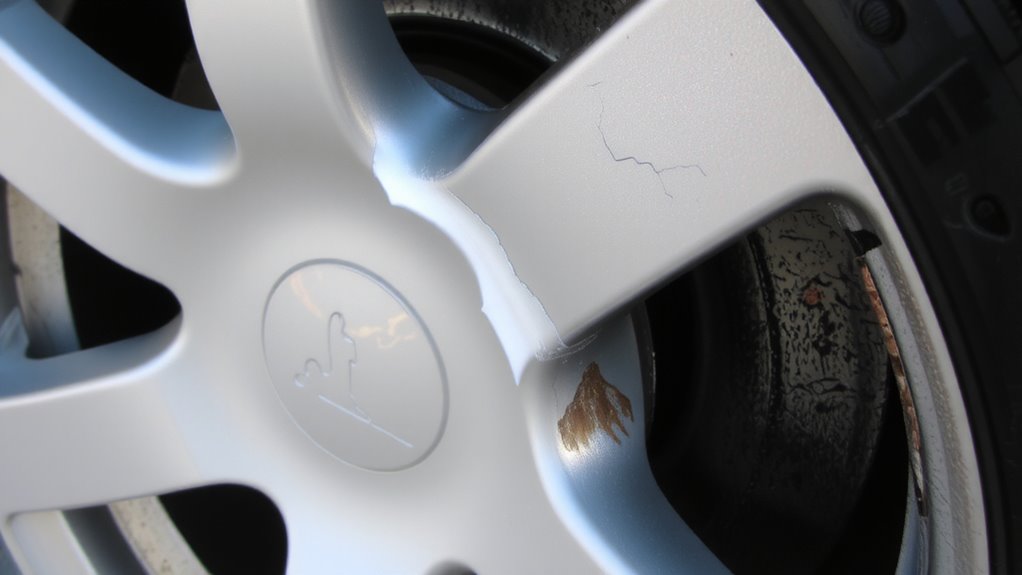
Even when you’re careful, using a wheel cleaner with the wrong pH can still compromise your coating’s integrity. Acidic cleaners (pH < 5) trigger acid etching, corroding the coating’s molecular structure. Alkaline solutions (pH > 9) cause alkaline erosion, breaking down silica and ceramic bonds. Over time, both degrade hydrophobic properties and reduce coating lifespan by up to 70%.
| pH Range | Effect on Coating | Risk Level |
|---|---|---|
| < 5 | Acid etching | High |
| 5–9 | Minimal impact | Low |
| > 9 | Alkaline erosion | High |
Exposure to extreme pH values disrupts cross-linked polymer networks. Acid etching visibly dulls surfaces, while alkaline erosion causes micro-cracking invisible to the eye. These chemical attacks outweigh mechanical damage in severity. Using out-of-range cleaners-even occasionally-accelerates wear. Consistent use of pH-balanced products maintains coating resilience.
How pH-Safe Cleaners Remove Brake Dust Safely
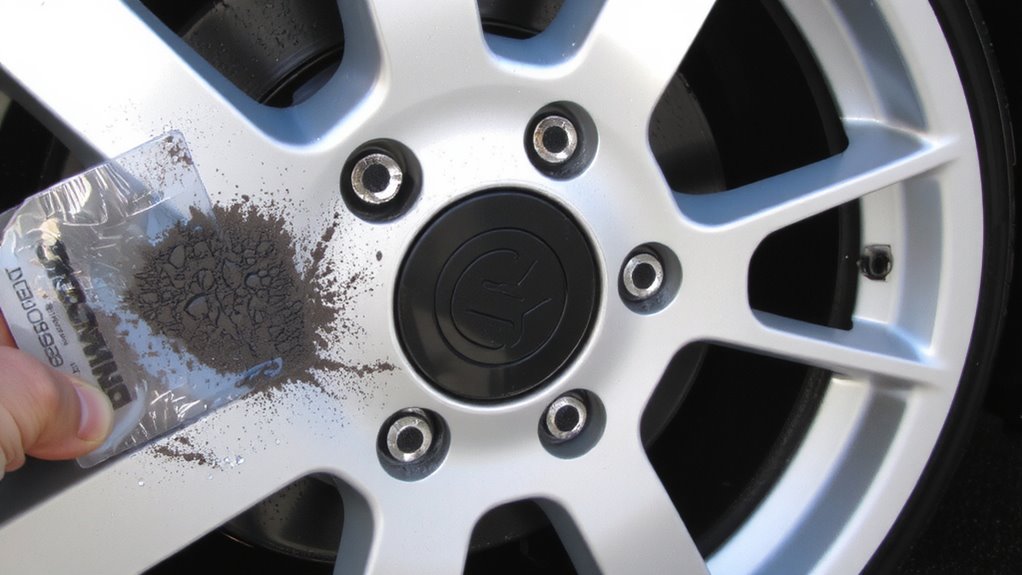
How does a cleaner lift stubborn brake dust without harming your wheel coating? pH-safe formulas rely on chelating agents-molecules that bind to metallic particles like iron in brake dust-at a neutral to slightly alkaline range (pH 6.5–8.5). These agents trigger a targeted chemical reaction, isolating metal ions without attacking protective layers. The process begins with surface interaction: the chelators penetrate brake dust deposits, surrounding iron particles and lifting them from the wheel. Unlike acidic cleaners, they don’t etch or corrode. Instead, they safely suspend contaminants for easy rinse-off. This precise action prevents coating breakdown over time. Best performance occurs when dwell time is 2–3 minutes and agitation is gentle. No harsh fumes or residue remain. Safe for coated and uncoated alloys, pH-balanced cleaners preserve finish integrity with every use. You maintain protection, appearance, and performance-all without compromising cleanliness. For optimal results, pairing a pH-balanced formula with one of the best wheel cleaners ensures long-term wheel health and cleaning efficiency.
Pick the Right pH-Safe Cleaner for Your Wheels
You’ve seen how pH-safe cleaners lift brake dust without damaging protective coatings, thanks to chelating agents working within a neutral to slightly alkaline range. Choosing the right pH-safe cleaner depends on your wheel selection and coating compatibility. Below is a guide to match cleaner pH with wheel type:
| Wheel Material | Ideal pH Range | Key Benefit |
|---|---|---|
| Bare Alloy | 7.0 – 8.5 | Dissolves grime without etching metal |
| Painted Finish | 6.5 – 8.0 | Preserves clear coat integrity |
| Coated (Ceramic) | 6.8 – 7.5 | Maintains hydrophobic properties |
Always verify coating compatibility before use. Cleaners outside these ranges risk micro-etching or stripping protection. pH matters because even slight deviations can compromise long-term finish health. Your wheel selection determines exposure to heat and contaminants-match the cleaner accordingly. Precision in pH guarantees safe, effective cleaning every time.
Avoid These Mistakes With Coated Wheels
When cleaning coated wheels, using the wrong pH can degrade the ceramic layer just as heat can weaken tempered steel. Avoid harsh abrasives-they create micro-scratches that compromise coating integrity and reduce surface hardness by up to 30%. These scratches also increase brake dust adhesion, accelerating contamination buildup. Excessive scrubbing worsens this damage, especially with stiff brushes or pads, generating friction that exceeds the coating’s thermal tolerance. Most ceramic coatings withstand only 150–200°C before structural shifts occur, and friction from aggressive wiping can reach those thresholds locally. Use only pH-neutral (6.5–7.5) cleaners formulated for coated surfaces. Apply with a soft microfiber or foam brush to minimize shear stress. Never allow cleaners to dry on the surface-residue can create microetching points. Rinse thoroughly with low-pressure water to prevent spotting. Following these steps maintains coating longevity and preserves hydrophobic performance.
Protect Your Wheels With Smarter Cleaning Habits
Maintaining coated wheels demands more than just the right cleaner-it requires a consistent, intelligent approach to cleaning that preserves both finish and function. Your wheel maintenance routine should prioritize pH-balanced formulas with a 6.5 to 7.5 pH range to avoid etching protective coatings. High alkalinity or acidity accelerates degradation, reducing coating lifespan by up to 40%. Clean wheels every 7 to 10 days, adjusting cleaning frequency based on environmental exposure-road salts, brake dust, and UV radiation increase contamination levels. Use a dual-bucket method with grit guards to prevent micro-scratches. Soft-bristle brushes protect coating integrity better than aggressive tools. Rinse wheels thoroughly before applying any cleaner to minimize chemical reactions with particulates. Regular, methodical cleaning preserves hydrophobic properties and sheen. Smart habits extend coating durability beyond 18 months, maintaining peak performance and appearance with minimal effort. For best results, choose from the top-rated options detailed in the best car wheel cleaners roundup.
On a final note
You protect your coating by choosing pH-balanced wheel cleaners. These products maintain a neutral pH range of 6.5 to 7.5, preventing hydrolysis of silica-based ceramic layers. Harsh alkaline cleaners (pH > 10) strip protective bonds; acidic formulas (pH < 4) corrode metal and degrade polymer cross-linking. A safe cleaner removes iron and brake dust via chelating agents like EDTA, not aggressive solvents. This preserves coating thickness, typically 1–2 microns, and extends life by 6–12 months.